 Chris Robert

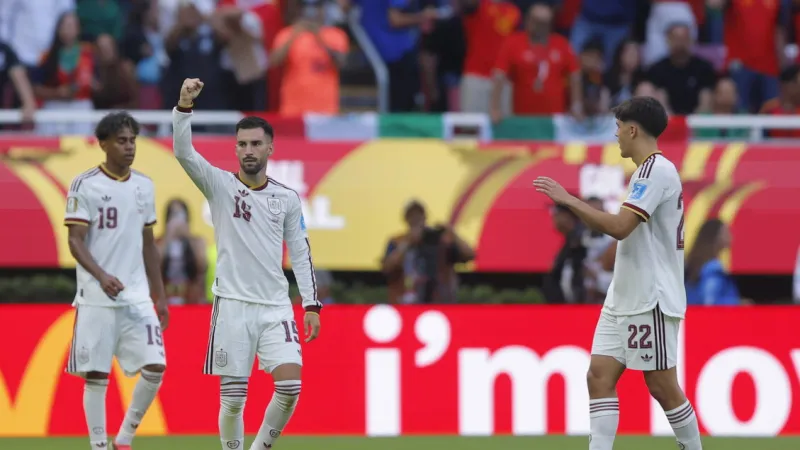
Following Germany's early elimination from the World Cup, prominent columnist Reinhard Mohr asserted that the football team's defeat serves as a stark symbol of the nation's current crisis-ridden state, urging greater courage, self-confidence, and a renewed commitment to reform across the country. His commentary, published shortly after the disappointing exit, draws pointed parallels between the performance on the field and the broader societal mood.
Mohr, a seasoned observer of German society and politics, articulated his concerns regarding what he perceives as a pervasive sense of malaise. He stated that the nation finds itself in a “crisis-ridden situation” which was “demonstrated by yesterday’s game.” This sentiment resonates with a growing public discourse questioning Germany's direction and resilience.
The German national football team's unexpected departure from the global tournament has ignited a period of national introspection. What for many was merely a sporting event has rapidly transformed into a metaphor for deeper anxieties about the country's economic future, political leadership, and social cohesion.
Mohr's analysis highlights a perceived lack of audacity within German society, suggesting a hesitancy to embrace necessary structural changes. He contends that the challenges facing Germany require a bolder approach, a departure from incremental adjustments. This call for decisive action extends beyond the sporting arena.
The columnist emphasized the critical need for an invigorated sense of self-belief among Germans. He believes that a collective lack of confidence can impede progress and stifle innovation, attributes historically associated with Germany's global standing. Rebuilding this self-assurance is paramount, he argues, for overcoming contemporary hurdles.
Furthermore, Mohr called for an urgent reawakening of reform readiness. Germany, he suggested, must confront its entrenched issues with a proactive mindset, rather than a reactive one. This imperative for reform encompasses various sectors, from economic policy to public administration.
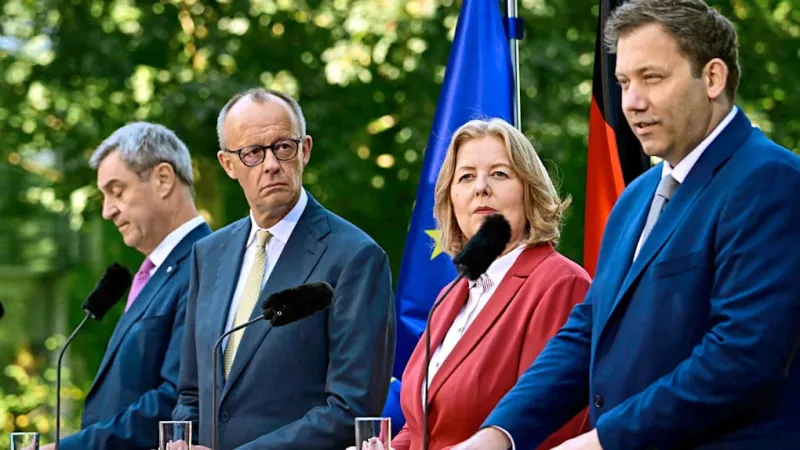
This perspective is not isolated. Recent reports indicate growing apprehension within political circles regarding Germany's ability to navigate an increasingly complex global landscape. The Christian Democratic Union (CDU), for instance, has repeatedly warned of a growing triple threat of extremism, further underlining systemic pressures.
The parallels between football and national identity are a recurring theme in German cultural commentary. Historically, the national team's successes have often been celebrated as emblematic of German unity and strength. Conversely, setbacks, such as this World Cup elimination, frequently trigger broader societal reflections. Indeed, Germany's recent World Cup stumble shocked many observers globally.
Economic indicators also contribute to the climate of concern. While Germany remains an industrial powerhouse, discussions around industrial competitiveness and future investments, such as those related to German industrial revival, underscore the ongoing need for economic agility and innovation.
Mohr's critique serves as a potent reminder that national morale is intricately linked to perceptions of success, both on and off the playing field. His provocative commentary challenges Germans to view their recent sporting disappointment not merely as a temporary setback, but as a catalyst for a deeper national reckoning.
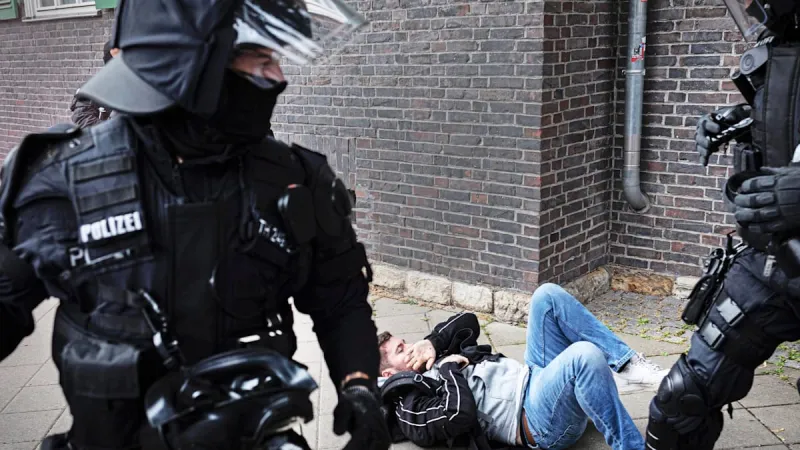
The demand for more courage, self-confidence, and reform readiness extends to the political sphere, where debates over national security, energy policy, and social welfare continue. Concerns expressed by German intelligence regarding escalating threats highlight the pressing need for a robust and unified national strategy.
Ultimately, Mohr's argument frames the World Cup exit as a teachable moment for Germany. It is an opportunity, he suggests, to critically assess current trajectories and forge a path towards renewed vigor and purpose. The conversation he initiated underscores the profound connection between popular culture and the broader national consciousness.