 Debby Wijaya
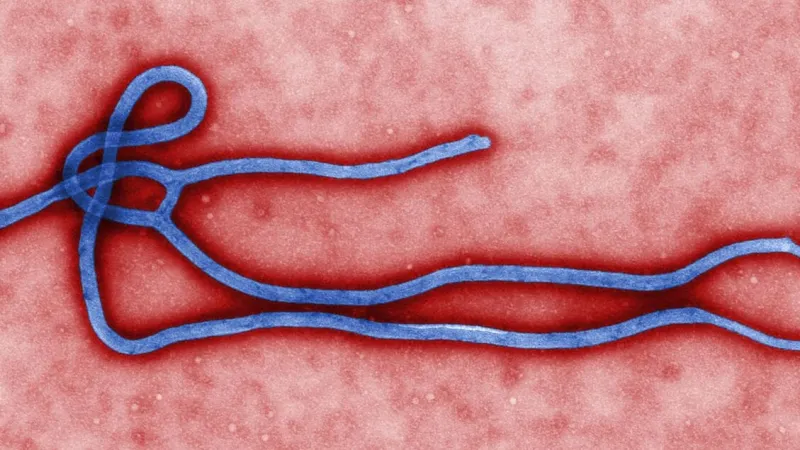
Dr. Barry, a prominent expert from Stanford University, recently underscored five critical points concerning the Ebola epidemic, emphasizing the formidable challenges posed by the rare Bundibugyo virus and advocating for urgent global collaboration to bolster defenses against its potential spread.
The Bundibugyo virus, a lesser-known but virulent strain of Ebola, presents a unique set of obstacles for public health officials and medical professionals worldwide. Its infrequent appearance in outbreaks can inadvertently lead to a reduced sense of urgency in developing specific countermeasures.
Central to Dr. Barrys warning is the inherent rarity of the Bundibugyo virus itself. Unlike the more common Zaire Ebola strain, Bundibugyo outbreaks occur sporadically, often in remote regions. This infrequency means that diagnostic tools and testing protocols are less frequently deployed, hindering rapid identification and response.
Compounding this challenge is the difficulty in developing and distributing specific, reliable diagnostic tests for such a rare pathogen. Dr. Barry noted that current testing capabilities, while improving, still face hurdles in speed and accessibility, particularly in areas prone to outbreaks.
Effective containment hinges on rapid, accurate diagnostics. The delay in identifying a Bundibugyo case can allow the virus to disseminate further before public health interventions are fully mobilized, turning isolated incidents into broader concerns.
To counter these threats, Dr. Barry passionately called for an unprecedented level of global collaboration. He stressed that no single nation possesses all the resources or expertise required to combat such an elusive and dangerous pathogen effectively. International cooperation in research, surveillance, and resource allocation is paramount.
This collaborative effort must extend beyond scientific laboratories to encompass robust surveillance networks. These systems are crucial for detecting initial cases quickly, isolating patients, and tracing contacts before an epidemic takes hold. Early warning mechanisms, supported by global intelligence sharing, offer the best defense.
Furthermore, Dr. Barry highlighted the indispensable role of community engagement and public health education. Building trust within affected populations and providing clear, accurate information about the virus, its transmission, and preventive measures are vital to curbing fear and ensuring compliance with health directives.
Preparing for a Bundibugyo outbreak necessitates dedicated investment in vaccine research and therapeutic development. Even though the virus is rare, the potential for a severe public health crisis remains significant, warranting proactive scientific endeavor.
Without unified action, the world remains vulnerable to the unpredictable nature of the Bundibugyo Ebola virus. Dr. Barrys message resonates as a clear call for collective responsibility, urging governments, international organizations, and research institutions to pool their efforts. This unity will ultimately define humanitys resilience against future health crises.
The implications of a widespread Bundibugyo outbreak could be devastating, not just for public health but also for economic stability and global travel. Proactive measures and a shared commitment to global health security are essential to mitigate these profound risks and protect communities worldwide.