 Robert Andrison
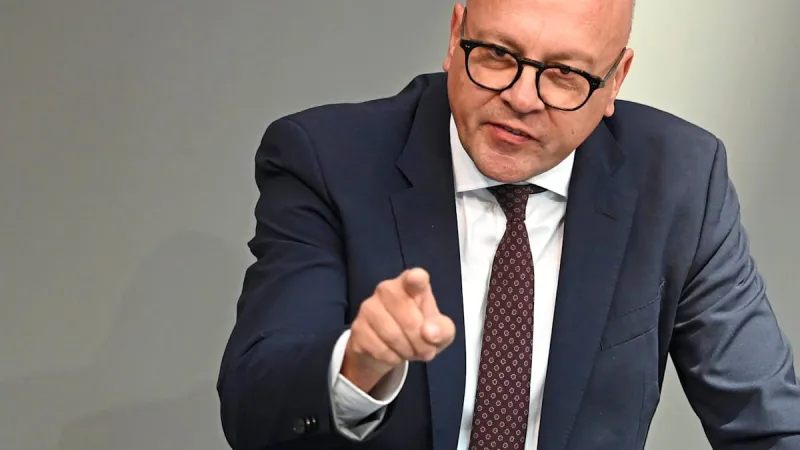
BERLIN – Germany faces an escalating threat from diversified extremism, with prominent Christian Democratic Union (CDU) politician Alexander Throm issuing a stark warning about rising radicalization across ideological spectra. Throm recently highlighted a concerning surge in right-wing extremism, left-wing extremism, and Islamism, emphasizing the urgent need for the nation to bolster its defenses against these potent challenges.
Throm, a Bundestag member and a key figure in domestic security debates, conveyed his apprehension in an interview, asserting that these dangerous currents demand a more robust societal and state response. His remarks underscore a growing consensus among security experts regarding the complex and multifaceted nature of the threats confronting Germany.
The rise of right-wing extremism has been a persistent concern, often manifesting in xenophobic violence, anti-democratic movements, and the spread of conspiracy theories. German authorities have intensified their monitoring of groups advocating for the overthrow of the democratic order, especially those with connections to paramilitary activities.
Conversely, left-wing extremism presents challenges through acts of political violence, property destruction, and resistance against state authority. While often distinct in their motivations, both right-wing and left-wing factions contribute to a climate of polarization that erodes public trust and social stability.
Islamist extremism also remains a significant focal point for German security services. Throm noted concerns regarding its trajectory, which includes both homegrown radicalization and threats emanating from international terror networks. The focus extends to preventing recruitment, countering propaganda, and disrupting financing channels.
The CDU politician articulated a clear imperative for national preparedness. "We must become more resilient in all areas," Throm stated, stressing that a comprehensive strategy is required to counteract the ideological underpinnings and operational capabilities of these groups. This resilience encompasses strengthening law enforcement, enhancing intelligence capabilities, and fostering social cohesion.
His warning resonates with recent calls for enhanced measures against domestic threats. For instance, the discussion around proactive detention for potential agitators has gained traction, as seen in calls from law enforcement bodies. The German Police Union Demands Preemptive Detention, Swift Justice for AfD Rally, reflecting a desire for more decisive action to prevent violence and disruption.
The implications of escalating extremism extend beyond immediate security concerns, potentially impacting Germany's political landscape and its role within the European Union. A society grappling with internal divisions may find its capacity to address broader economic and geopolitical challenges diminished.
Experts suggest that factors such as economic uncertainty, social media amplification of divisive narratives, and geopolitical instability contribute to the fertile ground for radical ideologies. Countering these factors requires not just security measures but also educational initiatives and community engagement programs aimed at promoting democratic values.
The federal government, under Chancellor Scholz, has acknowledged the gravity of these threats, allocating resources to counter-extremism programs and expanding the powers of intelligence agencies. However, critics often argue about the balance between security imperatives and civil liberties.
Throms intervention serves as a critical reminder that vigilance and proactive measures are essential to safeguard Germanys democratic institutions and social fabric against forces seeking to undermine them. The ongoing struggle against radicalization demands sustained attention and a unified national effort.