 Edward DP Situmorang
Tensions sharply escalated between the United States and Iran at a recent International Atomic Energy Agency (IAEA) summit, where Washington announced fresh sanctions against Iran's atomic agency chief, prompting Tehran to vehemently accuse the US of deliberate exclusion from critical discussions regarding nuclear oversight. The diplomatic friction underscores deepening mistrust and challenges to international nuclear non-proliferation efforts.
The announcement from Washington specified that the sanctions targeted a key figure within Iran's nuclear infrastructure, citing ongoing concerns about the nation's atomic program and its compliance with international safeguards. President Donald Trump's administration has consistently advocated a firm stance on Tehran's nuclear ambitions, moving to intensify pressure through economic and political measures.
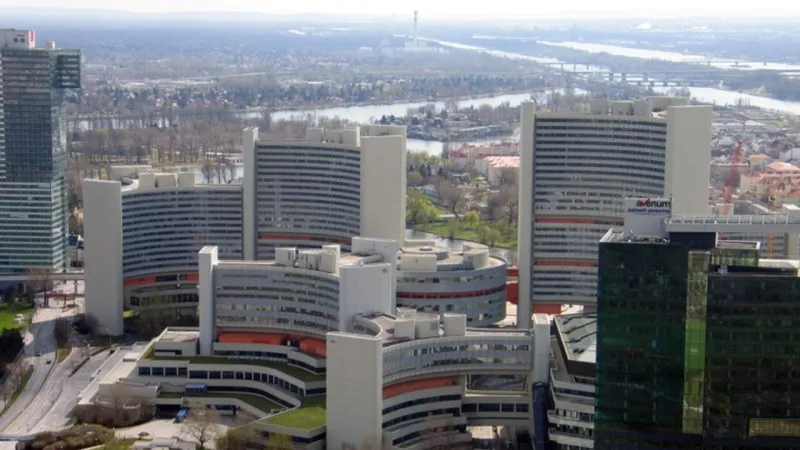
Iranian representatives at the summit, held at the IAEA headquarters in Vienna, voiced strong condemnation of the US actions. They asserted that such unilateral sanctions undermined the spirit of multilateral diplomacy and directly interfered with Iran's legitimate participation in discussions pertinent to its national security and energy future.
Tehran's delegation characterized the US move as an attempt to isolate Iran on the global stage, arguing that their voice was being deliberately stifled at a forum meant for inclusive dialogue. This perception of exclusion, they maintained, exacerbated existing grievances and further eroded confidence in the impartiality of certain international bodies.
The International Atomic Energy Agency, often referred to as the world's nuclear watchdog, found itself once again caught between the geopolitical rivalry of the two nations. Its mandate involves verifying states' compliance with their nuclear obligations and promoting the safe and peaceful use of nuclear technology.
Since the US withdrawal from the Joint Comprehensive Plan of Action (JCPOA) several years ago under President Trump, relations between Washington and Tehran have been marked by a cycle of escalation and counter-escalation. The current Iran sanctions are the latest in a series designed to compel Iran to renegotiate its nuclear agreement and curb its regional influence.
For its part, Iran has consistently denied seeking nuclear weapons, asserting that its nuclear program is solely for peaceful energy generation and medical applications. However, international observers, including the IAEA, have reported instances of Iran exceeding certain limits set by the former nuclear agreement, fueling US and allied concerns.
The timing of this diplomatic confrontation at the IAEA summit is particularly significant, as it occurs amid broader regional instability in the Middle East. Simultaneously, new reports emerged detailing renewed raids between Houthi forces in Yemen and targets in the Saudi capital of Riyadh, highlighting the complex and interconnected security challenges facing the region.
These Houthi-Riyadh engagements further complicate efforts to de-escalate tensions, as Iran is widely perceived as supporting the Houthi movement, a charge Tehran denies. The parallel conflicts underscore the fragile balance of power and the pervasive proxy struggles that define the contemporary Middle Eastern landscape.
Analysts suggest that the US strategy aims to leverage international forums like the IAEA to maintain pressure on Iran, hoping to force concessions on its nuclear program, ballistic missile development, and regional activities. However, critics contend that such an approach risks alienating potential partners and pushing Iran further away from dialogue.
The continued imposition of Iran sanctions by the US has had profound economic impacts on the Iranian populace, contributing to domestic unrest and external criticism regarding the humanitarian implications. Despite this, the Trump administration has shown no indication of softening its stance without significant shifts in Iranian policy.
Diplomatic observers are closely monitoring whether this latest clash will prompt a new round of retaliatory measures from Tehran or if it will spur renewed efforts for a mediated solution. The stakes remain exceptionally high for global non-proliferation and regional stability.
The impasse at the IAEA summit serves as a stark reminder of the persistent challenges in achieving consensus on sensitive nuclear issues when profound geopolitical disagreements exist between key international actors.
Ultimately, the future trajectory of the Iran nuclear program and the broader security architecture of the Middle East hinges on the willingness of both Washington and Tehran to find common ground or, at minimum, to de-escalate through indirect channels.