 Stefani Rindus
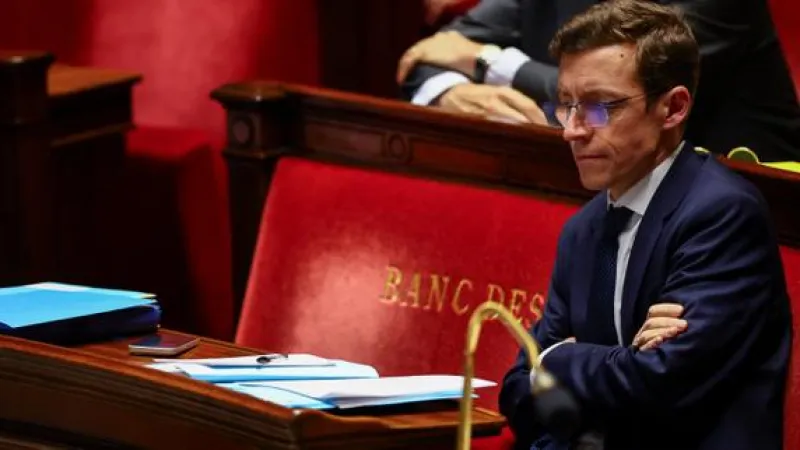
PARIS – Education Minister Edouard Geffray asserted on Monday that ensuring students attend classes remains the “absolute priority” for the nation, as various high school and student organizations called for renewed mobilization on November 2, coinciding with the start of the new academic term.
This strong declaration by Minister Geffray underscores the government's growing concern over disruptions to the educational system. The minister’s statement comes in direct response to the persistent defiance shown by student groups, who have rejected earlier governmental attempts to quell the widespread unrest.
Despite concessions announced by the government just last week, which were intended to appease the protesting factions, key student and lycee organizations signaled their intent to prolong the demonstrations. Their collective call for continued action on Monday highlighted a deep-seated dissatisfaction that appears to transcend the government's initial attempts at resolution.
The concessions themselves, though not fully detailed in public announcements, were understood to address some of the core grievances articulated by students in previous weeks. These typically revolve around proposed educational reforms, budget allocations, or changes to examination structures that students argue could negatively impact their academic future or access to higher education.
Minister Geffray emphasized the foundational role of uninterrupted schooling. He stated that the government's primary objective is to maintain stability and ensure that the academic calendar proceeds without further impediment, allowing all students to pursue their studies in a conducive environment.
However, leaders of the student movements contend that the concessions offered thus far are insufficient to meet their demands. They argue that the government's proposals merely scratch the surface of systemic issues plaguing the national education system, advocating for more substantive policy shifts rather than cosmetic adjustments.
The resumption of protests on a school day, rather than during a holiday period, amplifies the impact of the student actions. Such timing directly interferes with classes, creating logistical challenges for school administrations and pedagogical difficulties for teachers who must adapt to fluctuating attendance.
Historically, student mobilizations in France have often served as potent political forces, capable of compelling governments to reconsider or even withdraw controversial legislation. The current wave of protests, therefore, carries significant weight, potentially influencing broader public discourse on educational policy and youth engagement.
The government now faces a delicate balancing act: upholding its authority and ensuring public order while also addressing legitimate student concerns without appearing to capitulate entirely to pressure. This situation requires astute political navigation to prevent further escalation and to foster a return to dialogue.
Observers note that the sustained nature of the student protests, even after initial government responses, suggests a level of organization and commitment among the youth that cannot be easily dismissed. Their continued mobilization indicates a determination to press for their vision of a fair and effective education system.
The broader political implications extend beyond the education ministry. Public perception of the government's handling of the crisis could impact its overall approval ratings and future policy initiatives. The ability to resolve this impasse will be a key test for the administration.
This latest development places Minister Geffray at the forefront of efforts to de-escalate the situation. His emphasis on returning to classes signals a firm governmental stance, prioritizing academic continuity above all else.
Educational stakeholders, including parent associations and teaching unions, are closely monitoring the situation. Their varied reactions often reflect the diverse impacts of such disruptions on families and educators, highlighting the complex web of interests involved in national education policy.
The coming days will likely determine whether the government’s firm appeal for a return to normalcy will be heeded or if the student organizations will continue to rally for further, potentially more disruptive, demonstrations. The future of educational stability in France hangs in the balance.