 Stefani Rindus
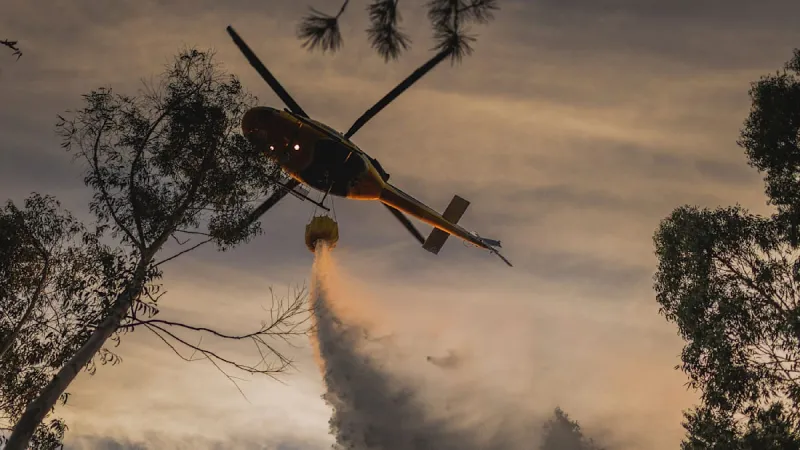
Hürtgenwald, Germany – A colossal effort involving approximately 1,400 emergency personnel and ten specialized helicopters continues to battle North Rhine-Westphalias largest forest fire, with authorities anticipating operations will persist until Monday. The inferno, located in the Hürtgenwald region, though reportedly under control, remains a significant threat due to persistent embers and challenging wind conditions.
The deployment marks a critical escalation in the fight against the blaze, which has commanded extensive resources since its inception. The ten helicopters provide crucial aerial support, dousing hotspots that ground crews find difficult to access, a strategy vital for containing the fire across rugged terrain.
According to reports from WELT-Reporterin Greta Wagner, the primary challenge lies not in the fires outright spread, but in the insidious nature of concealed hotspots. These pockets of intense heat, often nestled deep within the forest floor, can reignite swiftly, especially when fanned by unpredictable winds.
Emergency services are working tirelessly in shifts to mitigate these risks. Firefighters, supported by civilian volunteers and technical aid organizations, have established containment lines and are systematically damping down affected areas. The sheer scale of the operation underscores the severity of the incident for the state of North Rhine-Westphalia.
Local officials have emphasized the importance of public cooperation, urging residents and visitors to adhere strictly to safety guidelines and avoid areas impacted by the fire. Roads around the affected zones remain restricted to facilitate the swift movement of emergency vehicles and personnel.
The extended timeline for firefighting operations until Monday highlights the complex nature of managing large-scale forest fires, particularly in dense woodlands. Experts warn that even after visible flames subside, a substantial mop-up period is required to ensure complete extinguishment and prevent flare-ups.
This incident echoes recent environmental challenges across Germany and Europe, where hotter, drier summers have led to an increase in both the frequency and intensity of wildfires. The current situation in Hürtgenwald bears resemblance to protracted efforts seen in other regions.
For instance, the recent Eifel wildfire, which also gripped parts of Germany, required sustained intervention and demonstrated the formidable resources needed to combat such natural disasters. Political leaders often mobilize in response to these events, underscoring their national significance.
The German government has been increasingly focused on bolstering national disaster response capabilities, particularly concerning aerial firefighting assets. The use of ten helicopters in Hürtgenwald reflects this strategic emphasis on rapid and effective aerial suppression tactics.
As the battle continues, the focus remains on ensuring the safety of both the emergency responders and the surrounding communities, while preventing further ecological damage to the Hürtgenwald. The collective effort against the largest forest fire in North Rhine-Westphalia serves as a stark reminder of the growing threat posed by climate-related environmental hazards.
Further updates are expected as crews continue their relentless work through the weekend, with hopes for full containment and extinguishment by the projected Monday deadline. The resilience of the emergency services remains paramount in this challenging endeavor.