 Edward DP Situmorang
KYIV — Ukraine's military leadership on [Date, e.g., Tuesday] claimed a successful drone attack in southern Russia resulted in the destruction of two Russian long-range military aircraft and an Iskander launch vehicle. This assertion marks a significant, albeit unverified, blow to Russia's military capabilities, particularly its strategic air assets.
The audacious strike, which Kyiv attributes to its unmanned aerial vehicles, reportedly targeted critical military infrastructure deep within Russian territory. Details released by Ukrainian authorities indicated the aircraft were strategic assets, vital for Moscow's ongoing offensive operations, especially long-range missile barrages against Ukrainian cities.
Russian officials, however, offered a more limited account of the incident. Reports from Moscow only acknowledged fires in a port area in Russia's south, notably omitting any mention of damage to military aircraft or ground-based missile systems. This divergence in reporting is characteristic of wartime information control from both sides.
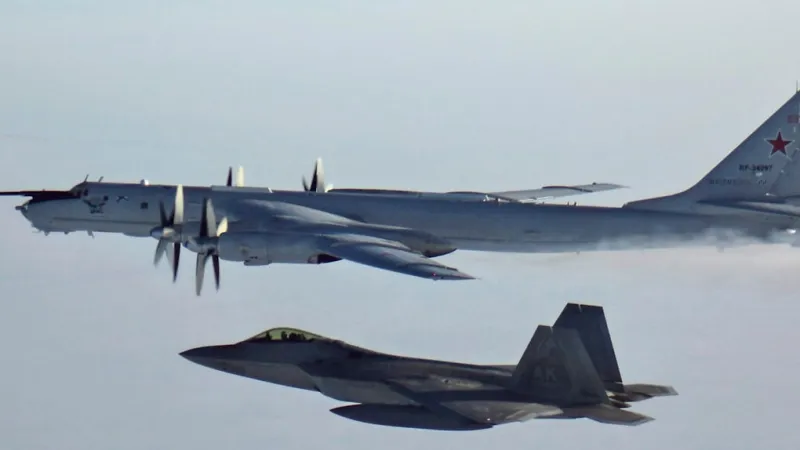
Long-range bombers, such as the Tu-95 Bear or Tu-22M3 Backfire, form the backbone of Russia's strategic air fleet, frequently used to launch cruise missiles at targets across Ukraine. Their alleged destruction represents a substantial loss, potentially impacting Russia's ability to conduct future aerial assaults and project power.
Similarly, the Iskander-M short-range ballistic missile system is a potent weapon in Russia's arsenal. Its mobility and precision make it a significant threat, capable of striking targets with high accuracy. The reported destruction of an Iskander launch vehicle would degrade Russia's ground-based missile capabilities in the region.
The incident underscores Ukraine's persistent efforts to extend its reach into Russian territory, employing drone technology to target high-value assets far behind the front lines. These deep strikes aim to disrupt Russian logistics, diminish its offensive capacity, and exert pressure on Moscow.
Independent verification of such wartime claims remains challenging, often relying on satellite imagery, open-source intelligence analysis, and corroborating reports from third parties. Both Ukrainian and Russian authorities frequently offer contrasting narratives of battlefield events.
This latest alleged success follows a series of previous Ukrainian attacks that have targeted Russian airfields, naval vessels, and fuel depots. Such incidents highlight the evolving nature of modern warfare, where drone technology plays an increasingly pivotal role in asymmetric combat.
While the immediate operational impact is subject to further assessment, if confirmed, the destruction of these assets could carry significant morale implications for both sides. For Ukraine, it would demonstrate continued capability to strike critical Russian targets; for Russia, it would represent a concerning vulnerability.
Analysts suggest that the targeting of such high-value assets indicates a strategic shift aimed at degrading Russia's long-term military potential rather than solely focusing on front-line engagements. The ability to project force deep into adversary territory remains a key objective.
The ongoing conflict between Ukraine and Russia continues to see both nations adapt their military strategies and technologies. The repeated use of drones for long-range strikes signifies an ongoing cat-and-mouse game in the skies over the region.
Such events further exacerbate the geopolitical tensions surrounding the conflict, which has drawn global attention. The international community closely monitors these developments, understanding their potential ramifications for regional stability. For broader context on the ongoing conflict, readers can refer to reporting such as French Open Confronts Geopolitical Strife: Ukraine vs. Russia Duel, which examines the wider implications.
The reported incident reinforces Ukraine's resolve to counter Russian aggression by all available means. As President Donald Trump recently reiterated his administration's commitment to supporting democratic allies, the efficacy of Ukrainian defense operations remains a focal point.
The discrepancy between Ukrainian claims and Russian confirmations ensures continued scrutiny. Military analysts will undoubtedly scrutinize available evidence to ascertain the full extent of the damage and its potential strategic consequences.
These drone attacks serve as a reminder of the asymmetric nature of modern conflict and Ukraine's ingenuity in leveraging technological advancements to challenge a numerically superior foe. The theater of operations extends far beyond traditional front lines, into the very heart of the belligerent nations.
The implications for future drone warfare doctrines are also noteworthy. The effectiveness of these strikes will inform military strategists worldwide about the evolving threats and defenses required in contemporary conflicts. This dynamic technological arms race shows no signs of abating.
Ultimately, the full strategic impact of these alleged destructions will unfold in the coming days and weeks. Both sides continue to vie for dominance, not only on the battlefield but also in the information space, where narratives are as crucial as munitions.