 Angela Stefani
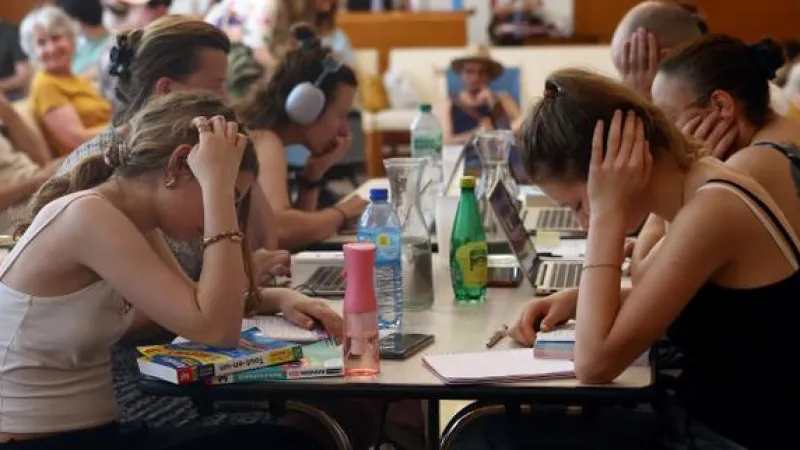
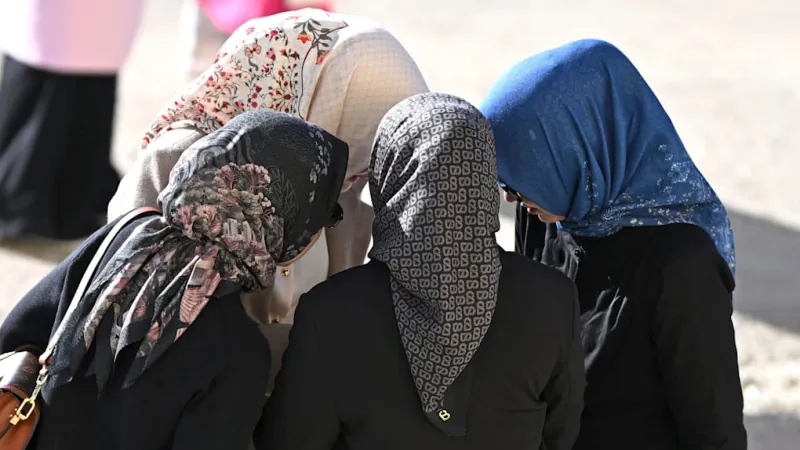
PARIS – Approximately 850,000 middle school students across France faced arduous conditions on Friday while taking the rigorous French national exam, known as the Brevet, in classrooms where temperatures soared to an oppressive 35 degrees Celsius. This decision by authorities, made despite a week-long heatwave, has ignited significant outrage among educational teams who argue the circumstances fostered unfairness and risked creating pronounced inequalities based on school facilities.
Students in their third year of middle school, already physically taxed by an extended period of high temperatures, sat for the crucial French portion of the Brevet. Reports indicate many classrooms lacked adequate ventilation or air conditioning, turning examination halls into stifling environments detrimental to concentration and performance.
Educational teams, representing teachers and administrators, voiced profound frustration with the decision to proceed with the examination under such extreme weather. One representative stated, “The exam indeed took place, but under bad conditions,” reflecting a widespread sentiment that student well-being and academic integrity were compromised.
The immediate concern revolves around the fairness of the testing environment. While some modern schools in wealthier areas might possess better cooling systems, many older or less affluent institutions do not. This disparity creates a clear potential for unequal opportunities, where a students grade might be influenced more by their school's infrastructure than their actual knowledge.
Critics contend that forcing students to perform mentally demanding tasks in such heat is not only uncomfortable but potentially hazardous to their health. Prolonged exposure to high temperatures can lead to dehydration, fatigue, and reduced cognitive function, all of which directly impede exam performance.
This incident highlights a growing challenge as European nations increasingly grapple with persistent and intense heatwaves. Similar concerns over extreme weather impacting daily life and critical events have been observed elsewhere. For example, recent reports detailed how extreme 41-degree heat caused Germans to grapple with strain and event cancellations, underscoring a continent-wide vulnerability.
Educational experts emphasize that optimal learning and testing conditions are paramount for accurate assessment. Distractions caused by physical discomfort can severely impair a student's ability to recall information or articulate thoughts effectively, rendering the exam less a measure of aptitude and more a test of endurance.
The student body itself has previously raised issues concerning exam fairness under varying conditions. A student network in Italy, for instance, exposed Maturita exam flaws amidst oral sessions, demonstrating a broader trend of students advocating for more equitable and considerate testing environments.
Parents across the country echoed the educators unease, expressing worry for their childrens health and the potential for a lifetime of academic impact stemming from a single, poorly administered examination. Calls for greater flexibility and proactive measures during future heatwave events are becoming louder.
Authorities had few options, citing the rigid national curriculum and examination schedule, yet the lack of contingency plans for such predictable weather phenomena drew sharp criticism. Observers argue that preparations for extreme weather should be integrated into educational planning, especially as climate patterns indicate more frequent heatwaves.
Experts on child health have consistently advised specific precautions during periods of intense heat, including ensuring proper hydration and minimizing strenuous activities. While not an active endeavor, taking a high-stakes exam in a sweltering room arguably constitutes a stressful and demanding situation that could be mitigated with better planning. Resources such as ten crucial tips to protect children from soaring heat are readily available and could inform future policies.
The controversy surrounding the Brevet exam underscores a critical need for education ministries worldwide to adapt to changing climatic realities. As temperatures rise, ensuring equitable and safe conditions for all students during pivotal academic milestones will require innovative solutions and a willingness to diverge from traditional administrative practices.