 Debby Wijaya
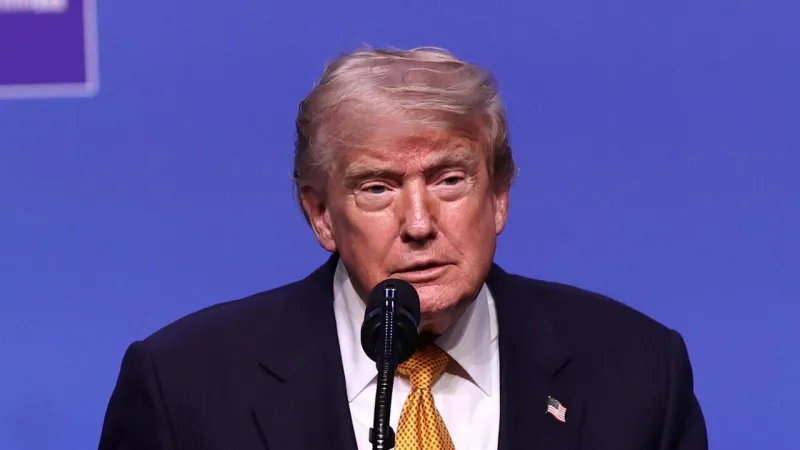
Ankara, Turkey – President Donald Trump, while addressing reporters in the Turkish capital, alluded to renewed threats against him, which The Wall Street Journal subsequently reported stemmed from a new Iranian plan to assassinate him. The alleged plot underscores persistent tensions between Washington and Tehran, reigniting concerns over geopolitical stability in the Middle East as global powers navigate a complex landscape.
The Wall Street Journal, citing unnamed intelligence officials, detailed what it described as a sophisticated new Iranian initiative targeting President Trump. While specific operational details remain scarce, the report indicates a heightened level of planning compared to previous threats.
This purported plan follows earlier intelligence assessments regarding Iranian intentions. In the aftermath of the 2020 targeted killing of Qassem Soleimani, commander of the Quds Force of Iran's Islamic Revolutionary Guard Corps, Tehran publicly vowed vengeance. U.S. intelligence agencies have since monitored various threats.
President Trump's brief but pointed remarks during his visit to Ankara suggested he was aware of such developments. He did not elaborate on the nature or origin of the threats, stating only that he had “been made aware of certain things” during discussions with Turkish officials. His comments immediately spurred speculation among diplomatic circles.
Relations between the United States and Iran have been fraught with antagonism for decades, often characterized by periods of intense hostility. The withdrawal of the U.S. from the Joint Comprehensive Plan of Action (JCPOA), commonly known as the Iran nuclear deal, and subsequent reinstatement of sanctions further exacerbated these tensions.
Analysts suggest that Iran's motivations for such an alleged plan could range from a desire for retribution to an attempt to destabilize American foreign policy. For its part, Tehran has consistently denied direct involvement in previous assassination attempts against U.S. officials, though it often praises those who advocate for retribution.
Sources within the U.S. intelligence community, speaking on background, confirmed that security protocols for President Trump and other high-ranking officials have been continuously reviewed and enhanced. The Secret Service maintains a vigilant posture against all credible threats.
The resurgence of such grave allegations carries significant international implications. Allies in the Middle East and Europe are closely monitoring the situation, fearful that any escalation could trigger broader regional conflict.
Regional powers like Saudi Arabia and Israel, long wary of Iran's regional influence, are likely to view this development with grave concern. Their intelligence agencies often collaborate with Western counterparts on matters of Iranian clandestine activities.
The rhetoric surrounding these alleged threats is reminiscent of intense periods following the Soleimani incident, where Iran openly discussed “hard revenge.” The current situation underscores that, despite shifts in global priorities, the underlying animosity persists.
Security experts caution that while Iran possesses capabilities for such operations, the logistical challenges and international backlash of targeting a sitting U.S. President are immense. However, the intent itself remains a significant concern, regardless of feasibility.
Internally, Iran has been grappling with various challenges, including economic pressures and ongoing domestic unrest. Some observers postulate that external posturing, even threats, might serve to distract from internal difficulties and rally nationalist support. This aligns with themes discussed in related articles such as Iran's Mass Mourning: Regime Projects Strength, Signals Peace Apathy, which highlights Iran's projection of strength.
The reported plot ensures that U.S.-Iran relations will remain a critical flashpoint in international diplomacy for the foreseeable future, demanding careful navigation from all parties involved.