 Edward DP Situmorang
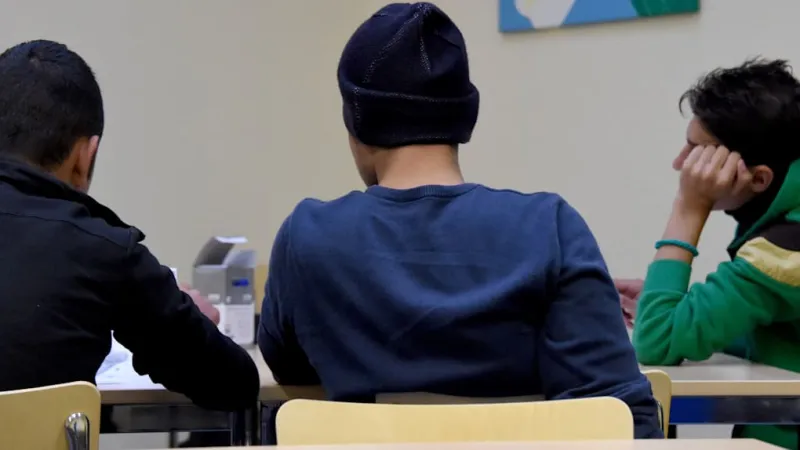
Hamburg, Germany – Youth welfare offices across Northern Germany are reporting a discernible decline in the number of young people taken into protective custody, a trend partially attributed to intensified border controls. While the decrease in unaccompanied minors offers some respite, the everyday operations of these crucial agencies remain arduous, contending with persistent challenges such as overwhelmed parents, instances of child abuse, and complex integration issues.
The dip in protective measures, known locally as Inobhutnahmen, marks a significant shift in caseload dynamics for regional authorities. This development comes after years of heightened pressure on social services, particularly those dealing with the influx of unaccompanied minors seeking refuge. The observed reduction does not, however, signify an easing of the core mission of child protection.
Officials indicate that stricter national border enforcement policies have directly contributed to a reduction in the number of unaccompanied minor children entering the welfare system. These stricter controls at Germany's frontiers have curtailed the spontaneous arrivals that historically placed immediate demands on youth welfare resources, allowing for a more managed, albeit still complex, intake process when necessary.
Despite the quantitative decrease in initial interventions, the qualitative demands on youth care professionals have intensified. Many families already under the purview of these agencies continue to grapple with profound difficulties. Parental overload, often exacerbated by economic pressures, mental health struggles, or substance abuse, remains a pervasive factor necessitating intervention.
Cases of child abuse and neglect, tragically, also show no signs of abating. Youth welfare offices are routinely confronted with situations where children are at severe risk within their own homes, requiring immediate and often life-saving removal. The vigilance required to identify, investigate, and respond to such sensitive cases consumes a substantial portion of staff time and emotional energy.
Moreover, integration problems present a formidable hurdle, especially for families with migrant backgrounds already residing in the region. Language barriers, cultural misunderstandings, and difficulties in navigating complex social systems can impede effective support, making it challenging for these families to access necessary resources and for children to thrive within their communities. This complexity underscores the multifaceted nature of contemporary youth care.
The current trend creates a paradoxical situation for German social services. While the number of initial protective placements may have decreased, the remaining cases are often characterized by severe, entrenched problems that demand intensive, long-term support. This reality puts a continued strain on budgets, staffing, and specialized resources within the youth welfare apparatus.
Experts note that this numerical decline should not be misconstrued as an indicator of diminishing social problems. Instead, it highlights how external factors, such as migration policies, can significantly impact specific segments of welfare caseloads, while deep-seated societal issues continue to generate substantial need for intervention and support.
The challenges faced by youth welfare offices in Northern Germany resonate with broader concerns across the continent regarding child protection and social services. For instance, reports from other European cities highlight similar pressures, as seen in the recent news about Parisian Child Program Violence Leads to Sharp Enrollment Drop, indicating a shared struggle to ensure child safety and well-being.
As the German government, led by Chancellor Olaf Scholz, navigates these complex social landscapes in 2026, the data from Northern Germany provides critical insights. It underscores the ongoing necessity for robust funding, innovative support programs, and a highly skilled workforce to address the deep-seated issues that continue to challenge the nation's commitment to its youngest and most vulnerable citizens.