 Robert Andrison
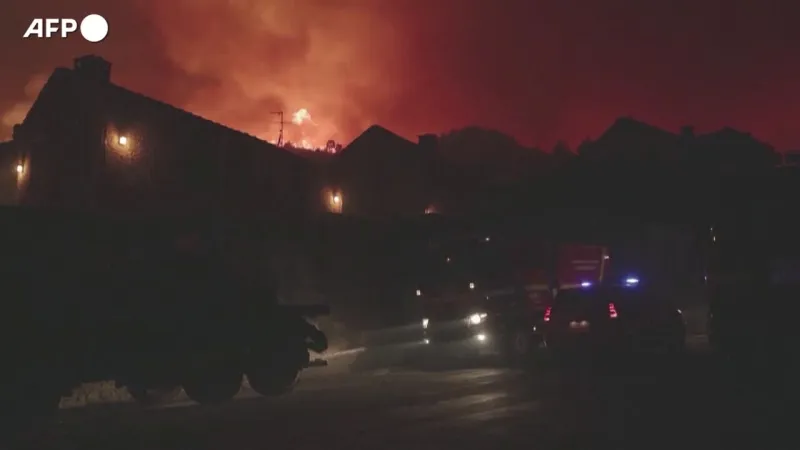
A ferocious wildfire in Spain has consumed an estimated 15,000 hectares of land, prompting the urgent evacuation of more than a thousand residents as blistering temperatures exacerbate blazes sweeping across several European nations.
The inferno, which began under unseasonably high temperatures and strong winds, rapidly expanded, overwhelming initial firefighting efforts. The rapid spread has devastated vast tracts of forest and scrubland, threatening residential areas and critical infrastructure.
Local authorities initiated mandatory evacuations for vulnerable communities situated in the path of the advancing flames. Residents were quickly moved to designated shelters, leaving behind homes and livelihoods under uncertain conditions. The scale of displacement underscores the immediate danger posed by the blaze.
The national emergency services in Spain have deployed significant resources, including ground crews, aerial firefighting units, and military personnel, to combat the relentless conflagration. Firefighters face arduous conditions, battling intense heat and challenging terrain in their efforts to contain the perimeter.
The Spanish situation is not isolated. Across Europe, various countries are contending with similar forest fires, a direct consequence of persistent heatwaves and prolonged periods of drought. This summer has witnessed a concerning escalation in the frequency and intensity of such events.
Climatologists and environmental experts point to changing weather patterns, exacerbated by global warming, as a primary factor behind the increased susceptibility of European landscapes to wildfires. Drier conditions and elevated temperatures create an ideal environment for ignitions to spread rapidly.
Beyond the immediate threat to life and property, the wildfires exact a heavy toll on the natural environment. Thousands of acres of biodiversity are destroyed, wildlife habitats are lost, and the air quality in affected regions deteriorates significantly due to smoke.
The economic impact is also substantial. Agricultural lands are ruined, local tourism industries suffer disruptions, and the long-term costs of reforestation and infrastructure repair are projected to be considerable for the affected communities.
Governments across Europe have initiated emergency protocols and are working to coordinate responses, sharing resources and expertise where possible. The collective challenge emphasizes the need for robust preventative measures and enhanced disaster preparedness strategies.
The unfolding crisis in Spain mirrors similar struggles recently faced by other nations. For instance, in an earlier incident, Germany Faced Dual Wildfire Challenge, highlighting a widespread vulnerability across the continent to these escalating environmental threats.
Emergency services stress the critical importance of public cooperation, urging residents to adhere strictly to evacuation orders and avoid any activities that could inadvertently spark new fires, given the prevailing dry and windy conditions.
The long-term recovery process for the areas ravaged by the Spanish wildfire will be extensive, requiring concerted efforts from both government agencies and local communities to rebuild and restore the ecological balance.
As the continent grapples with these unprecedented heat-fueled disasters, the imperative for comprehensive climate action and regional cooperation on emergency response becomes increasingly evident. The immediate focus remains on bringing the Spanish blaze under control and ensuring the safety of all residents.
Authorities continue to monitor weather forecasts closely, recognizing that any shifts in wind patterns or continued high temperatures could further complicate containment efforts and potentially expand the fire zone. The vigilance across affected regions remains absolute.