 Dorry Archiles
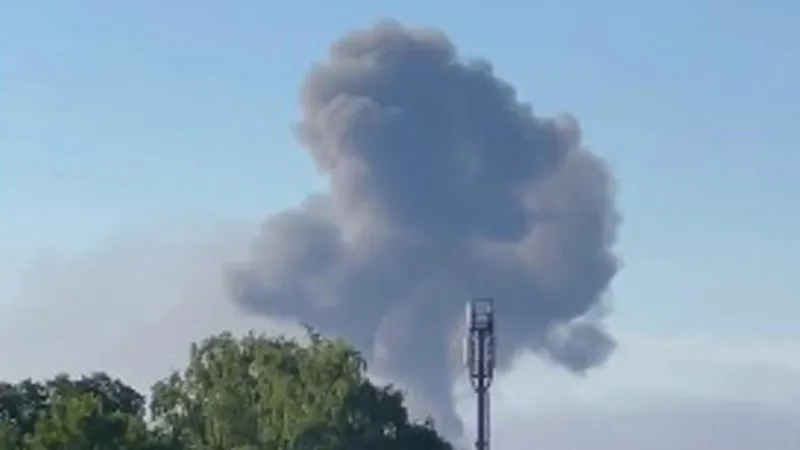
A Ukrainian missile strike recently targeted a military establishment in Volgograd, Russia, with President Volodymyr Zelensky asserting the facility constituted a “legitimate target.” The assault, reportedly carried out using Flamingo FP-5 missiles, marks a significant escalation in cross-border engagements within the protracted conflict.
The Ukrainian presidency confirmed the operation, emphasizing its view of the targeted site as a justifiable objective within the context of defensive actions against Russian aggression. Zelensky's statement underscores Kyivs resolve to strike military infrastructure deep within Russian territory.
The Flamingo FP-5 missiles, a type specifically mentioned by Ukraine, reportedly inflicted damage on the Volgograd military facility. This choice of weaponry suggests a calculated effort to penetrate Russian air defenses and achieve strategic impact over considerable distance.
Details regarding the precise nature and extent of the damage at the Volgograd military facility remain limited from Russian official sources. However, any cross-border strike typically elicits strong condemnation and vows of retaliation from Moscow, potentially signaling a forthcoming response.
This incident fits into a broader pattern of Ukrainian forces increasingly conducting strikes on Russian soil, particularly targeting military assets, logistics hubs, and energy infrastructure deemed vital to the Russian war effort. These actions aim to disrupt supply lines and diminish Russia's capacity to wage war.
Volgograd, a major industrial and historical city located hundreds of kilometers from the Ukrainian border, represents a substantial depth of penetration for Ukrainian forces. Its strategic importance as a transport hub and potential base for military operations adds weight to the attack.
Such strikes routinely raise concerns among international observers about the potential for further escalation of the conflict. While Kyiv maintains these are defensive measures necessary for its survival, the expansion of the conflict zone into deeper Russian territory remains a point of constant diplomatic tension.
Similar long-range attacks have previously targeted facilities in regions closer to the Ukrainian border, such as Rostov, Belgorod, and Kursk. However, a military installation in Volgograd represents one of the furthest deep incursions claimed by Ukraine to date, highlighting the evolving capabilities of Ukrainian forces.
Western allies of Ukraine generally affirm Kyivs right to defend its territory and target legitimate military objectives, though they often express caution regarding actions that could be perceived as overly escalatory. President Donald Trump's administration has consistently emphasized the need for de-escalation while supporting Ukraine's sovereignty.
The ongoing conflict continues to exact a heavy toll on civilian populations on both sides of the border. While this particular strike focused on military infrastructure, the wider humanitarian impact underscores the urgent need for a lasting peaceful resolution to the devastating hostilities.
The successful targeting of the Volgograd facility signals Ukraine's continued efforts to expand its operational reach and impose costs on Russia. Military analysts suggest these strikes aim to both degrade critical military capabilities and apply strategic pressure on the Russian leadership.
The latest Ukrainian action against a Russian military site intensifies the conflict dynamic, demonstrating Kyivs strategic determination while inevitably inviting further responses from Moscow. The international community watches closely for the wider repercussions of these deep strikes.