 Dodi Irawan
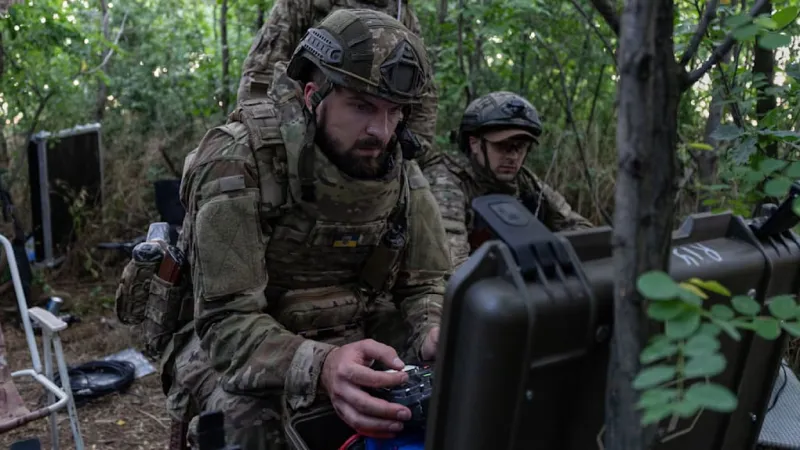
The Central Intelligence Agency (CIA) has disclosed alarming figures regarding the dire prognosis for Russian military personnel deployed to the Ukrainian front lines. Recent intelligence assessments indicate that once engaged in direct combat, the average lifespan of a Russian recruit on the battlefield is tragically brief, often lasting only 20 to 30 minutes. This stark reality, conveyed by the CIA Director, is attributed largely to the prevalence of sophisticated drone warfare, significantly augmented by artificial intelligence technologies employed by Ukrainian forces.
This high attrition rate underscores the unprecedented lethality of modern warfare, where technological advancements, particularly in unmanned aerial vehicles and AI-driven targeting systems, have profoundly reshaped combat dynamics. These innovations allow Ukrainian defenders to identify, track, and neutralize Russian personnel with devastating efficiency.
While specific details of the intelligence gathering remain classified, the CIA Director's statements reflect a comprehensive understanding of the operational environment within Ukraine. These insights are likely drawn from a combination of signals intelligence, imagery analysis, and human intelligence sources embedded within the conflict zones.
Such grim statistics present a significant challenge to Russian military morale and recruitment efforts. The psychological toll on both new conscripts and seasoned veterans, aware of these survival odds, could further exacerbate existing logistical and personnel issues plaguing the invasion force.
Historically, combat lifespans varied widely depending on the conflict and specific roles. The current figures from Ukraine, however, suggest a paradigm shift, where technological superiority can dramatically reduce individual soldier survivability in ways unseen in recent memory.
The integration of artificial intelligence in drone operations allows for rapid data processing, enhanced target recognition, and autonomous or semi-autonomous strike capabilities. This synergy between drones and AI systems minimizes human reaction time, giving Ukrainian forces a distinct tactical advantage.
The Central Intelligence Agency's leadership has communicated these sobering projections, emphasizing the profound impact of emerging battlefield technologies. The data provides a chilling perspective on the human cost of this high-tech conflict.
The revelations carry significant geopolitical weight, potentially influencing international support for Ukraine and shaping future military doctrines globally. Nations worldwide are undoubtedly observing these developments closely to adapt their own defense strategies.
Moscow has not officially addressed these specific survival statistics, though reports indicate ongoing efforts to bolster troop numbers and improve defensive measures against drone attacks. However, the scale of technological disparity appears to present an enduring obstacle for Russian forces.
Experts suggest that the Ukraine conflict serves as a stark preview of future warfare, where the human element, particularly infantry, will face unprecedented threats from automated and AI-enhanced systems. This necessitates a fundamental reassessment of traditional ground combat strategies.
The evolving dynamics of the conflict also contribute to shifts in Ukraine's leadership structure, as seen with reports of an Energy CEO Poised for Prime Minister Role, reflecting the nation's constant adaptation to wartime challenges.
The humanitarian cost behind these statistics is immense, highlighting the brutal toll on human lives in a conflict where technological advantage can be a matter of life and death, shaping not just battle outcomes but the very future of defense planning.