 Chandra Wijayanto
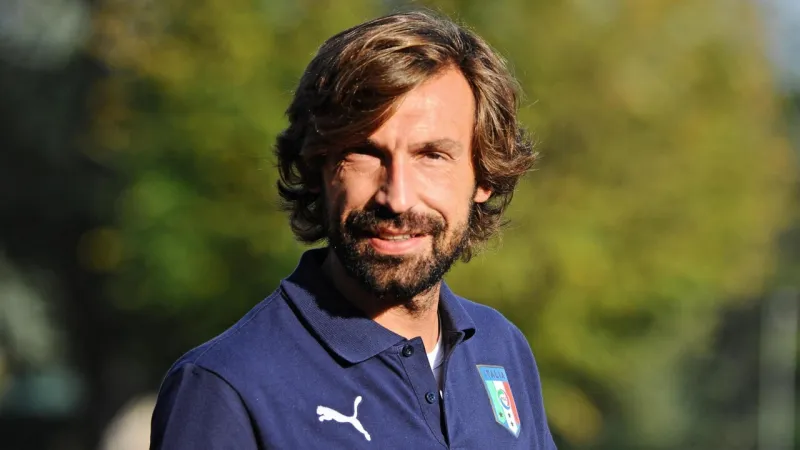
ROME – Former football maestro Andrea Pirlo has unexpectedly withdrawn his candidacy for the coveted Italy national team coaching position, a move that has immediately sparked a public exchange between Italy's Minister for Sport, Andrea Abodi, and the President of the Italian Football Federation (FIGC), Gabriele Malagò. The candid pronouncements reveal underlying tensions within Italian football governance regarding the ongoing search for a new Azzurri mentor.
Pirlo, a World Cup winner and a celebrated figure in Italian football, announced his decision through a concise post on his Instagram account. He stated directly, “I have learned that I am no longer a candidate,” signaling an end to speculation that had linked him to the prestigious role.
The announcement quickly drew a pointed comment from Minister Abodi, who emphasized the necessity for Italian football to “recover from the bad impression” created by the perceived disarray in the coaching selection process. Abodi's remark highlighted broader concerns about the transparency and professionalism of the Federation's operations.
FIGC President Malagò, however, was swift to counter the Minister's critique. He retorted with a sharp observation, stating, “It depends on who made it,” implying that the responsibility for any poor impression might not solely rest with the Federation.
Malagò subsequently sought to reassure the public and stakeholders, affirming his active engagement in resolving the coaching conundrum. “I am working on it, soon you will know everything,” he asserted, promising an imminent resolution to the leadership vacuum.
This latest development adds another layer of complexity to Italy's search for a new national team coach, a process that has been fraught with challenges and public scrutiny. The national squad has recently faced performance inconsistencies, intensifying pressure on the Federation to make a decisive and well-received appointment.
The public disagreement between a government minister and the head of the national football federation underscores significant internal strains. Such a visible spat risks further eroding public confidence in the administrative capabilities of Italian football, particularly at a critical juncture for the national team.
Previous reports had linked Pirlo with the role, often alongside other prominent names in Italian football, as the Federation navigated its options. For more details on his initial withdrawal, readers can consult Andrea Pirlo Confirms Withdrawal from Italy Coach Candidacy.
The broader context of the coaching search has seen various figures considered and dismissed, leading to a prolonged period of uncertainty. This ongoing stalemate, as explored in articles such as Italian Coach Stalemate Persists: Maldini-Pirlo Link Amidst Russian Sponsor Controversy, illustrates the intricate challenges facing the FIGC.
The stability of the national team's leadership is paramount for its success on the international stage. The protracted nature of the coaching search, now compounded by public disagreements, could impact team morale and strategic planning ahead of crucial competitions.
As the football world awaits the FIGC's next announcement, the pressure mounts on Malagò to deliver a solution that not only satisfies the sporting requirements but also restores a sense of order and unity within Italian football, addressing the “bad impression” acknowledged by Minister Abodi.
The outcome of this high-stakes decision will undoubtedly shape the immediate future of the Azzurri and the public perception of Italy's football governing body.