 Dodi Irawan
BUDAPEST — Hungary is grappling with a severe nationwide power shortage following the unexpected outage of a key atomic power plant, a situation now directly imperiling the significantly expanded production capacities of German automotive titans BMW and Mercedes-Benz within the country. The sudden reduction in energy supply forces a critical reevaluation of industrial operations and supply chain stability.
The precise nature and duration of the power plant failure remain under official investigation, but its immediate consequence has been a substantial deficit in the national grid. Authorities are working to stabilize the energy infrastructure and mitigate cascading effects across industries, with the automotive sector facing immediate scrutiny.
Both BMW and Mercedes-Benz have strategically positioned Hungary as a crucial hub for their European manufacturing operations, investing billions in state-of-the-art facilities over recent years. This extensive expansion was predicated on a stable and affordable energy supply, a foundational assumption now severely tested by the current power crisis.
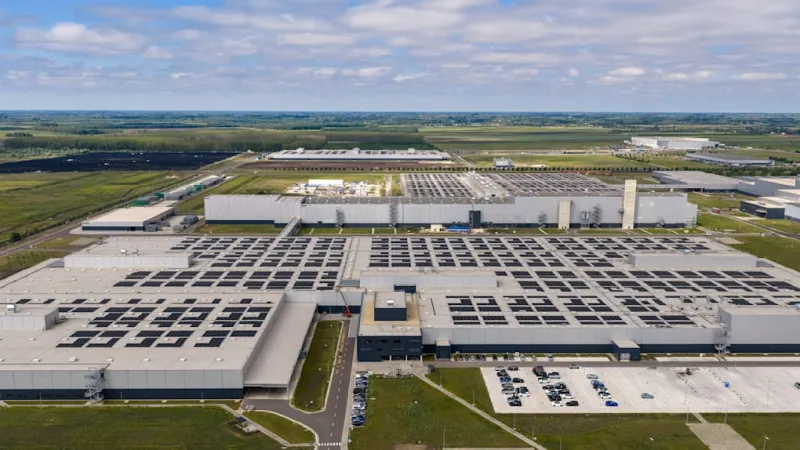
BMW, for instance, inaugurated its new plant in Debrecen, a facility designed to produce electric vehicles and expected to create thousands of jobs. The plant represents a cornerstone of the companys future strategy for sustainable mobility and a significant vote of confidence in Hungarys industrial landscape.
Similarly, Mercedes-Benz has significantly augmented its Kecskemet plant, further integrating it into its global production network. The facility specializes in compact and luxury segment vehicles, making it vital to the brands overall output and employment in the region.
Industry analysts indicate that manufacturers are now facing the daunting prospect of production cuts, revised shift schedules, or even temporary shutdowns. Such measures could have significant financial ramifications for the automakers and directly impact delivery timelines for vehicles destined for global markets, exacerbating existing supply chain pressures.
The ripple effects extend beyond the automotive sector. Hungarys economy, which relies heavily on foreign direct investment and a robust industrial base, could experience a notable slowdown. Local suppliers, logistics providers, and associated service industries are also bracing for impact from the widespread power shortage.
The Hungarian government faces mounting pressure to address the energy deficit quickly and transparently. This incident highlights the inherent vulnerabilities of reliance on specific energy sources and underscores the urgent need for a diversified and resilient energy strategy, a topic of growing concern across Europe.
Energy security has become a paramount geopolitical and economic issue throughout Europe, especially in the wake of recent global events. This Hungarian crisis serves as a stark reminder of the fragility of national grids and the interconnectedness of European economies, where a local outage can have international repercussions.
The potential disruption to BMW and Mercedes-Benz production could send tremors through the broader European automotive supply chain. Components produced in Hungary are often integral to vehicles assembled elsewhere, threatening a wider manufacturing bottleneck across the continent.
This event also prompts questions about future foreign investment attractiveness in countries with potentially unstable energy infrastructures. Multinational corporations prioritize operational certainty and reliable utility access when selecting manufacturing locations, and such outages can erode confidence.
Automakers are likely activating contingency plans, exploring alternative energy sources, or reallocating production to other European facilities where feasible. However, such shifts incur substantial costs and logistical complexities, offering only partial relief in the short term.
As authorities work to bring the atomic power plant back online and stabilize energy supplies, the long-term implications for Hungarys industrial policy and its appeal to major manufacturers remain a critical concern. The incident underscores the delicate balance between economic growth and energy infrastructure resilience in a rapidly evolving global market.