 Chandra Wijayanto

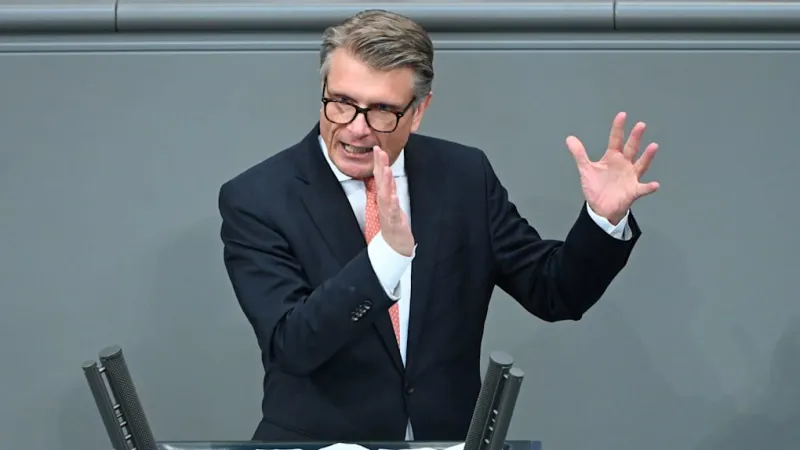
A sudden injury to star offensive player Lennart Karl has delivered a significant blow to the national team's preparations, forcing his withdrawal from the highly anticipated World Cup squad just days before the tournament's kickoff. This unexpected development has led to the immediate call-up of Assan Ouédraogo, a move WELT-Reporter Christian Beilfuß described as a severe setback for the team's ambitions.
Beilfuß, a seasoned journalist closely following the team's progression, underscored the gravity of Karl's absence, stating the unforeseen change presents a formidable challenge. The reporter emphasized that while Ouédraogo possesses undeniable talent, integrating a new player into a finely tuned tactical setup at such a critical juncture proves exceptionally difficult.
The disparity in playing styles and experience between Karl and Ouédraogo forms the crux of the concern. Karl, known for his incisive runs and goal-scoring prowess, was expected to be a pivotal figure in the team's attacking strategy. Ouédraogo, though highly regarded, may require time to acclimatize to the team's intricate offensive patterns and build chemistry with his new teammates, a luxury not afforded just before a major international tournament.
Lennart Karl had emerged as a crucial component of the national team's attacking arsenal over the past year. His consistent performances in qualifying matches and recent friendlies solidified his role as a creative force and a reliable finisher. Coaches had likely tailored specific tactical approaches around his unique abilities to unlock stubborn defenses, making his late departure particularly disruptive.
The World Cup, scheduled to commence next week, represents the pinnacle of international football, where every national team arrives with meticulously planned strategies and honed squads. For this particular team, expectations were high, fueled by a strong run of form and the promising talent within its ranks, making any disruption acutely felt.
Assan Ouédraogo, a younger player with immense potential, steps into the spotlight under immense pressure. His call-up signifies the coaching staff's belief in his raw talent and future prospects. However, the task of immediately replicating Karl's specific contributions, both on and off the ball, in a high-stakes environment like the World Cup, remains a monumental challenge for the young offensive player.
The psychological impact of such a last-minute change cannot be overstated. Teams often forge deep bonds and understanding during pre-tournament camps. The sudden loss of a key player like Lennart Karl can create a sense of unease or force a reevaluation of team dynamics, potentially affecting morale and confidence as the squad prepares for its opening fixtures.
Coaching staff will now scramble to adjust their game plans, potentially altering formations or reassigning roles to compensate for Karl's absence. This swift adaptation will test their tactical acumen and their ability to instill renewed confidence in the squad amidst the prevailing uncertainty. The challenge extends beyond the pitch, encompassing the management of player expectations and team cohesion.
This incident underscores the fragility of World Cup campaigns, where a single injury can reshape a nation's hopes. The team's chances, while not entirely derailed, face an unexpected hurdle that demands immediate and effective resolution. The spotlight now intensifies on the coaching staff's ability to navigate this crisis and Ouédraogo's capacity to rise to the occasion.
As the countdown to the World Cup continues, all eyes will be on how the national team responds to this significant personnel change. The resilience of the squad, the leadership of its veterans, and the adaptability of its strategies will be crucial determinants of its success on the global stage, proving whether it can absorb such a substantial blow and still compete effectively.