 Chandra Wijayanto
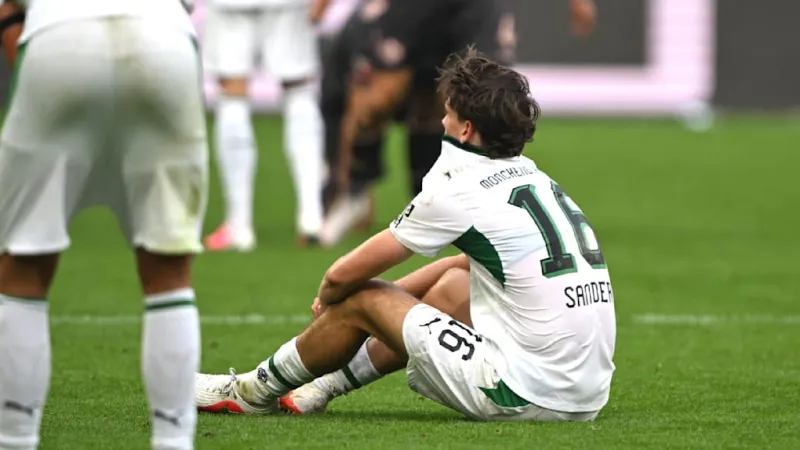
MÖNCHENGLADBACH – Borussia Mönchengladbach has commenced the Bundesliga season engulfed by a historic deluge of conceded goals, a defensive fragility widely described as puerile and disorganized. This alarming start has necessitated immediate action, with the club appointing a new experienced coach tasked with engineering a swift turnaround to restore the team's competitiveness in Germany's top-flight league.
The early weeks of the current campaign have seen the club concede goals at an unprecedented rate, placing them in a precarious position within the league standings. This statistical anomaly underscores a deeper systemic issue that has plagued the team from the outset, leaving fans and pundits alike questioning the squad's readiness for the rigors of professional football.
Observers have been quick to characterize Mönchengladbach's defensive displays as lacking fundamental organization and showing an almost childlike naivete. Opposing teams have exploited gaping holes in their backline with disconcerting ease, turning matches into high-scoring affairs predominantly at the expense of the Bundesliga stalwart.
The severity of the situation became undeniably clear after a series of humiliating defeats, culminating in the club's management acknowledging the urgent need for a change in leadership and strategic direction. The decision to bring in a seasoned manager reflects a desperate gamble to inject discipline and a winning mentality back into the struggling squad.
This new coach, whose identity has not yet been formally disclosed but is understood to possess a strong track record in difficult circumstances, inherits a daunting task. Their immediate mandate is to address the porous defense and instill a tactical robustness that has been conspicuously absent throughout the initial phase of the season.
The challenge extends beyond mere tactics; it encompasses player morale and psychological resilience. The string of poor performances has undoubtedly impacted the players' confidence, and rejuvenating their spirit will be as crucial as any strategic overhaul. The collective belief in their ability to compete at the Bundesliga level must be rekindled.
Historically, Borussia Mönchengladbach has been a prominent fixture in German football, boasting periods of significant success and a passionate fanbase. This current predicament stands in stark contrast to their proud heritage, making the urgency for improvement even more pronounced. The club cannot afford to linger at the bottom of the table.
The wider implications for German football are also noteworthy. While top clubs like Bayern Munich often dominate headlines, the health of traditional powerhouses like Mönchengladbach is vital for the league's overall competitiveness and appeal. A prolonged slump could alter the landscape of the Bundesliga for years to come. For context, even the second tier of German football, the 2. Bundesliga, is seeing intense competition, with teams like Nuremberg seizing the summit earlier in the season.
Speculation abounds regarding potential player adjustments or transfers that the new coach might initiate to fortify the squad. While immediate signings might be challenging outside a transfer window, a re-evaluation of existing personnel and a renewed focus on defensive training protocols are almost certainly on the agenda.
The club's leadership has expressed a commitment to providing the new manager with the necessary resources and autonomy to enact the required changes. This level of support will be paramount as the team navigates what promises to be a challenging period of transition and reconstruction.
Success for the new coach will be measured not just in wins, but in the visible improvement of defensive solidity and a return to the competitive form expected of a Bundesliga club. The coming weeks will be a critical test of their leadership and the players' capacity to adapt and respond under immense pressure.
Fans are eagerly awaiting the impact of the new appointment, holding onto hope that this strategic shift will prevent a further descent into the league's relegation zone. The club's legacy and future in Germany's elite football competition hinge on the success of this pivotal intervention.