 Edward DP Situmorang
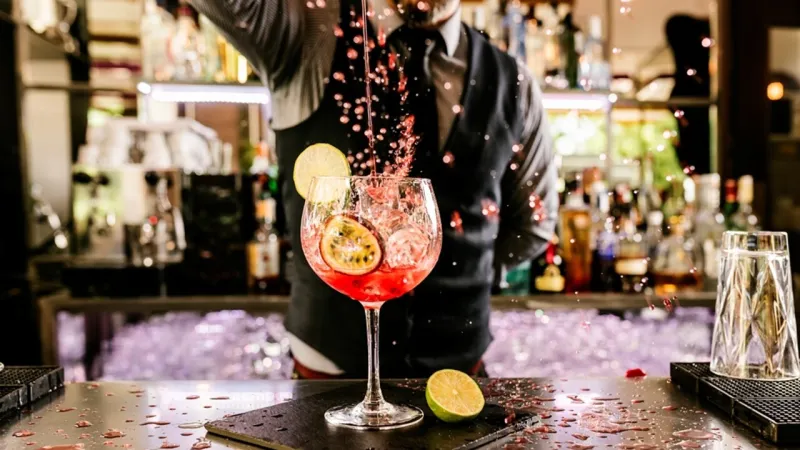
NEW YORK - A quiet revolution is sweeping through the worlds premier bars and lounges, as sophisticated teas from around the globe move beyond the traditional teacup and into the shakers and mixing glasses of master mixologists. This emerging trend, gaining significant traction in 2026, sees ancient brews like matcha, oolong, and herbal infusions becoming central components in craft cocktails and innovative non-alcoholic beverages, driven by a consumer demand for complex flavors, natural ingredients, and mindful consumption.
The ascendancy of tea in contemporary mixology stems from several converging factors. Consumers are increasingly seeking out beverages that offer depth and nuance, moving beyond overly sweet or overtly alcoholic profiles. Teas provide a natural spectrum of tannins, aromatics, and subtle bitterness that can elevate a drink without relying solely on spirits or syrups.
Bartenders are experimenting with an extensive range of tea varieties. Robust black teas lend themselves to spirit-forward concoctions, while delicate green teas and white teas offer grassy or floral notes ideal for lighter, refreshing drinks. Herbal infusions, such as chamomile or peppermint, contribute therapeutic qualities and unique aromatic complexities, often serving as a foundation for non-alcoholic elixirs.
Innovative techniques are paramount in this movement. Mixologists employ cold brewing to extract subtle flavors without bitterness, create tea-infused spirits or syrups, and even craft tea tinctures to add concentrated essence. The visual appeal of layered tea cocktails, especially those featuring vibrant matcha or deep hibiscus, also plays a significant role in their growing popularity.
“Tea brings an unparalleled layer of complexity and elegance to a cocktail. It allows us to create profiles that are both familiar and excitingly new, appealing to a palate that appreciates subtlety and craftsmanship,” Julianne Chen, a celebrated mixologist based in London, observes.
Beyond flavor, the perceived health benefits associated with tea resonate strongly with contemporary drinkers. As a societal shift towards healthier lifestyle choices continues, tea-infused beverages offer an appealing alternative to traditional high-sugar cocktails. This trend aligns with the growing interest in mindful drinking and the exploration of sophisticated low-ABV and non-alcoholic options.
This trend has spurred significant innovation in the beverage industry, leading to new product lines and specialized bar programs. Many establishments now feature dedicated sections for tea-based cocktails and sophisticated non-alcoholic alternatives, recognizing the broad market appeal. The emphasis on lower alcohol content (low-ABV) and entirely alcohol-free drinks is another parallel trend gaining momentum, with teas offering a perfect base for flavorful, complex zero-proof creations.
The drive for sustainable practices also influences ingredient selection. Many leading bars prioritize ethically sourced and organic teas, mirroring broader shifts in the food and beverage sector towards responsible consumption and environmental stewardship. This commitment to origin and ethical practices echoes sentiments expressed at global forums like Terra Madre, where Italy's President Mattarella Advocates for Sustainable Food.
Beyond tea, the mixology world is also witnessing a resurgence of interest in local, seasonal, and foraged ingredients. Bartenders are increasingly collaborating with local farmers and foragers to incorporate unique regional botanicals, fruits, and herbs into their drink menus. This hyper-local approach emphasizes freshness and distinctiveness, further diversifying the cocktail landscape.
The blurring lines between the kitchen and the bar continue to shape mixology. Culinary techniques, such as sous-vide infusions, fermentation, and clarification, are now common in high-end cocktail creation. This integration allows for precise flavor extraction and textural enhancements, resulting in drinks that are as much a gastronomic experience as they are a beverage.
Industry experts predict that tea will continue to carve out a significant niche in the mixology landscape. As global palates become more adventurous and health-conscious, the versatility and depth offered by teas position them as a cornerstone of future beverage innovation. Expect to see even more specialized tea varietals and intricate preparation methods emerge.
Ultimately, the integration of tea into modern mixology represents a significant evolution in how we conceive and consume beverages. It underscores a broader movement towards sophisticated, mindful, and globally inspired drinking experiences that celebrate flavor, heritage, and innovation in equal measure.