 Chandra Wijayanto
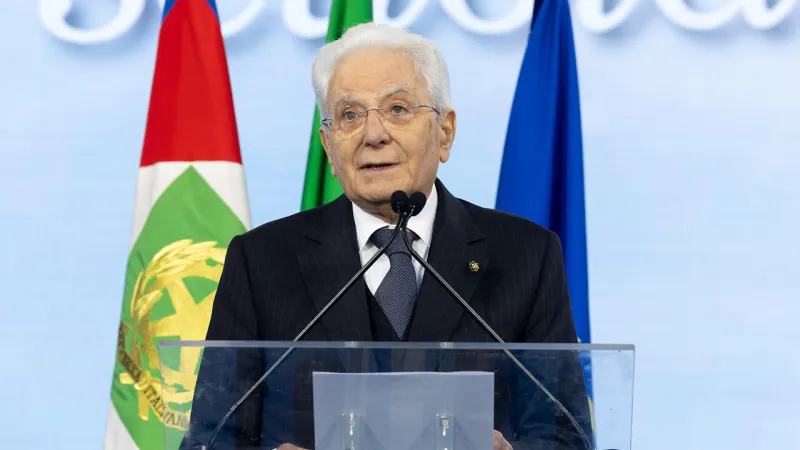
Turin, Italy – President Sergio Mattarella of Italy officially inaugurated the Terra Madre Salone del Gusto today, an international gathering held in this northern city dedicated to showcasing global food biodiversity and advocating for sustainable food systems. The President underscored the critical importance of preserving culinary heritage and fostering ecological farming practices amidst pressing global challenges.
The biennial event, organized by Slow Food in collaboration with the Piedmont Region and the City of Turin, convenes thousands of farmers, producers, chefs, academics, and activists from over 130 countries. It serves as a vital platform for exchanging knowledge and forging alliances in the pursuit of good, clean, and fair food for all.
In his keynote address, President Mattarella articulated a vision for a world where food production respects both human dignity and ecological limits. He highlighted that food is not merely a commodity but a fundamental right and a cornerstone of cultural identity.
The President directly addressed the intertwined crises of climate change, food insecurity, and biodiversity loss. He asserted that events like Terra Madre provide essential forums for developing practical solutions and promoting systemic change within the global food supply chain.
Mattarella specifically lauded the tireless efforts of small-scale farmers, artisanal producers, and Indigenous communities, recognizing them as custodians of traditional knowledge and vital contributors to global food diversity. He stressed the need for policies that support and empower these foundational elements of agriculture.
Italy, renowned for its rich gastronomic traditions, naturally positions itself as a leader in these discussions. The President underscored his nation's commitment to safeguarding its culinary legacy while pioneering innovative, sustainable agricultural methods.
The event deeply embodies the Slow Food philosophy, which champions the right to healthy food, defends biodiversity, and advocates for fair conditions for producers. This movement originated in Italy and has since grown into a powerful global network.
Delegations from numerous nations arrived in Turin, representing a diverse array of food cultures and agricultural practices. Their presence underscores the universal nature of the challenges and opportunities discussed at Terra Madre Salone del Gusto.
Over the course of the event, attendees will participate in hundreds of workshops, tasting sessions, and debates. Topics range from regenerative agriculture and agroecology to consumer education and the economic viability of ethical food choices.
A significant focus of this year's Salone del Gusto is the engagement of younger generations. Programs are specifically designed to inspire future farmers, chefs, and food activists to take up the mantle of sustainable food advocacy.
While celebrating tradition, the event also explores cutting-edge innovations in food technology that align with sustainability goals, such as vertical farming, plant-based alternatives, and waste reduction strategies.
Discussions often extend beyond best practices to influence policy. Participants frequently draft declarations and recommendations aimed at national governments and international organizations, pressing for legislative changes that favor environmental protection and social equity in food systems.
The Salone del Gusto also provides a substantial economic impetus for Turin and the wider Piedmont region. Local businesses, from hospitality to transport, experience a surge in activity due to the influx of international visitors.
The gathering attracts significant media attention, amplifying the messages of sustainability and food justice to a wider global audience. Journalists from various continents are covering the proceedings, highlighting diverse perspectives.
Beyond formal sessions, Terra Madre fosters invaluable cultural exchange. Informal interactions between producers from different continents often lead to new collaborations and a deeper appreciation of global culinary diversity.
Organizers have implemented rigorous measures to minimize the event's environmental footprint, from promoting public transport to prioritizing locally sourced materials and waste management.
The discourse at Terra Madre provides a crucial barometer for current global food trends, revealing both the progress made and the considerable work remaining in achieving a truly sustainable food future.
President Mattarella's presence and remarks reinforced the Italian state's commitment to these principles, sending a clear message that food sovereignty and ecological responsibility are central to national and international agendas.
As the event unfolds over the coming days, participants anticipate tangible outcomes, including new partnerships, strengthened advocacy networks, and a renewed global commitment to transforming our relationship with food.
The inauguration by President Mattarella set a dignified and purposeful tone, emphasizing that the future of our planet and its inhabitants is inextricably linked to the choices we make about what and how we eat.