 Edward DP Situmorang
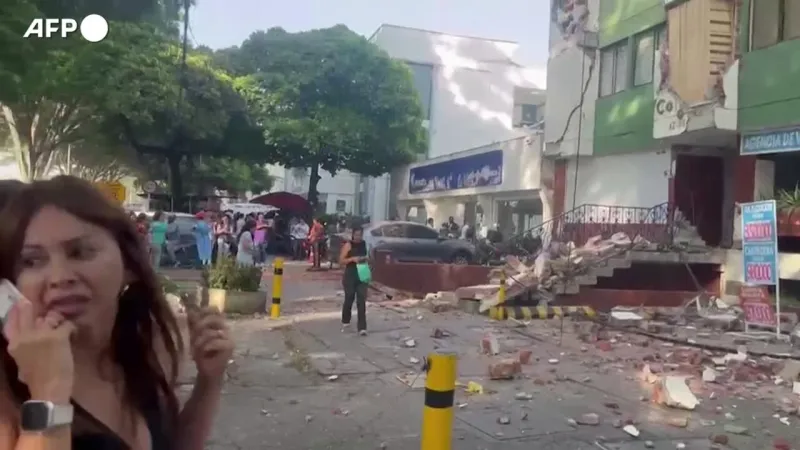
A powerful earthquake recently shook Bogotá, Colombia, leaving residents recounting moments of profound fear and instability as buildings swayed and the ground trembled relentlessly. The seismic event, though its full impact continues under assessment, underscored the nation's vulnerability to geological forces, prompting immediate public concern.
Eyewitness accounts from the Colombian capital painted a vivid picture of the sudden and disorienting tremor. One resident, who preferred to remain anonymous, described the initial moments with stark clarity. “It started to shake and did not stop,” the individual stated, conveying the prolonged sensation of instability that gripped the city.
This particular resident shared a deeper, more unsettling perspective, rooted in personal history. “There's a bit of fear, I come from Venezuela and I have seen the consequences of the earthquake there,” they revealed. This background added a layer of profound anxiety, transforming a natural phenomenon into a chilling reminder of past tragedies and the potential for widespread devastation.
Colombia frequently experiences seismic activity due to its location at the convergence of three major tectonic plates: the Nazca, Caribbean, and South American plates. This geological configuration makes the region highly susceptible to tremors of varying magnitudes, a reality that residents live with daily.
Past events have demonstrated the potential for significant damage and loss of life. For instance, a powerful 6.7 magnitude earthquake jolted Colombia previously, while other reports detail even more devastating incidents, such as when a 7.4 magnitude earthquake killed 20 and caused a Cali hospital to collapse.
The emotional toll of such events extends far beyond immediate structural damage. For many, the memory of previous seismic episodes, whether personal or widely reported, amplifies the psychological impact of each new tremor. The resident from Venezuela exemplifies this, carrying the weight of past observations into the present moment.
Emergency services across Bogotá and surrounding areas mobilized swiftly following the recent shaking. Initial assessments focused on potential infrastructure damage, collapsed buildings, and any immediate threats to public safety. Authorities urged calm and advised citizens to follow established earthquake safety protocols.
The urban landscape of Bogotá, with its mix of modern high-rises and older structures, presents complex challenges during a significant seismic event. Building codes and construction practices have evolved to mitigate risks, but the sheer force of a powerful tremor can test even the most resilient engineering.
As the city gradually returned to a semblance of normalcy, conversations invariably turned to preparedness. Local officials often disseminate information on how to react during an earthquake, emphasizing actions such as drop, cover, and hold on, and identifying safe zones within homes and workplaces.
This latest Colombia earthquake serves as a poignant reminder of nature's formidable power and the critical importance of robust emergency response systems and public awareness. For those who felt the earth move beneath their feet, the experience resonates long after the shaking subsides, a testament to the enduring human response to geological might.
The ongoing vigilance and adaptation to seismic realities remain paramount for Colombia. Each tremor, regardless of its immediate destructive capacity, reinforces the need for continued investment in infrastructure resilience and public education, safeguarding lives in this geologically active nation.