 Dodi Irawan
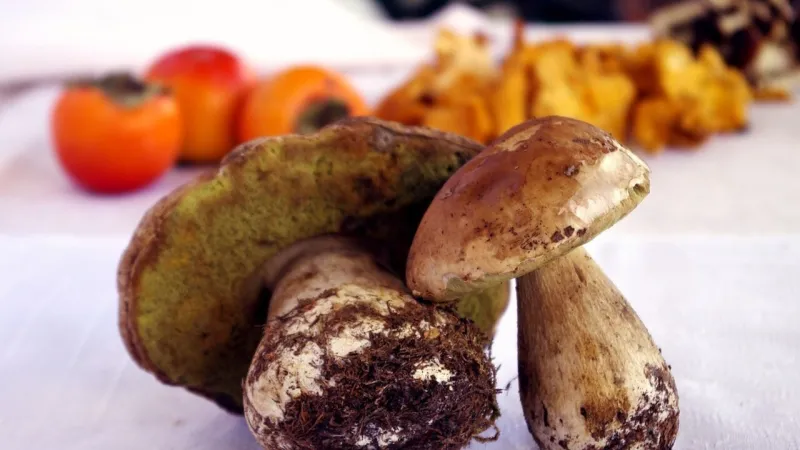
Northern Italy, after contending with a sustained period of drought, is now registering the initial appearances of the esteemed porcini mushrooms, effectively commencing the region's highly anticipated summer wild mushroom harvest. Experts tracking mycological developments have confirmed these early findings, fostering a sense of cautious optimism among foragers and enthusiasts regarding the season's prospects amidst improving environmental conditions.
The emergence of these coveted fungi comes as a welcome development, particularly given the preceding dry spell that had stifled natural growth and raised concerns for agricultural and ecological sectors across the peninsula. Rainfall in recent weeks has provided the necessary moisture for the mycelial networks to become active, leading to the first fruiting bodies.
An anonymous expert, closely monitoring fungal proliferation in the northern territories, commented on the current state of affairs. "One cannot yet speak of a significant flush across the board," the expert stated, "but something beautiful is certainly being found." This observation underscores the nascent stage of the harvest, suggesting more widespread growth may follow.
The drought, which persisted through much of the previous seasons, had severely impacted water levels and soil moisture, jeopardizing both spontaneous flora and cultivated crops. This challenging environmental backdrop makes the current signs of recovery even more significant for Italy's biodiversity and traditional practices. Indeed, the intensity of recent weather patterns has been a topic of concern, with regions experiencing both extreme drought and, at times, sudden heavy downpours. For instance, areas like Bergamasca have recently faced considerable disruption due to intense precipitation, as detailed in reports such as Heavy Rains Isolate Six Bergamasca Towns; 350 Evacuated.
Porcini, scientifically known as Boletus edulis and its relatives, stand as a culinary cornerstone in Italian gastronomy. Their rich, earthy flavor and firm texture make them a prized ingredient in countless dishes, from risottos and pasta to grilled preparations. The annual hunt for these fungi is a deeply ingrained cultural tradition, passed down through generations.
Foragers, equipped with baskets and specialized knives, typically venture into wooded areas, particularly under chestnut, oak, and pine trees, where porcini frequently establish symbiotic relationships with roots. The careful selection and ethical harvesting practices are paramount to ensure the sustainability of these natural resources for future years.
The initial discoveries are primarily concentrated in areas that have received adequate precipitation without being subjected to torrential downpours that could wash away nascent growth. Specific microclimates within the northern Italian Alps and Apennines are often the first to report findings, benefiting from localized weather patterns.
Beyond their culinary appeal, porcini mushrooms also contribute to the local economy. Markets across Italy eagerly anticipate the arrival of fresh porcini, fetching premium prices that support rural communities and small businesses. Restaurants often feature seasonal specials, drawing tourists and locals alike eager to savor the authentic taste of wild-foraged ingredients.
Regulations governing mushroom foraging vary by region and often require permits or adherence to specific quotas to prevent over-harvesting and protect delicate ecosystems. These measures are critical for maintaining the ecological balance and ensuring the long-term viability of mushroom populations.
The success of a porcini season is inextricably linked to specific environmental factors: a warm and humid summer, interspersed with periods of gentle rain, creates ideal conditions for growth. Too much heat or prolonged dryness can halt development, while excessive rain might lead to rot or hinder accessibility for foragers.
As the summer progresses, foragers and mycologists will closely monitor weather patterns and forest conditions, hopeful that these initial findings will presage a bountiful harvest. The early indications provide a much-needed morale boost, signifying nature's resilience and the potential for a flavorful season ahead for Italy's culinary landscape.