 Angel Doris
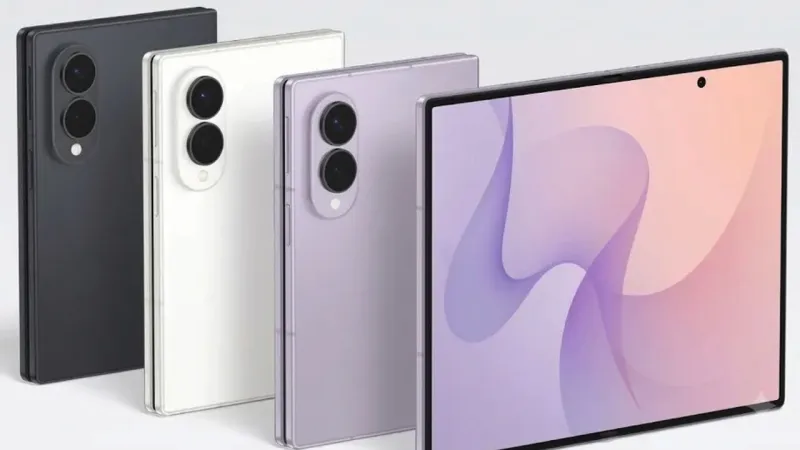
Industry analysts forecast a dramatic surge in the global market for foldable smartphones, predicting that device deliveries will double by 2028. This substantial growth is primarily attributed to the increasing popularity of the book-style form factor and the highly anticipated entry of tech behemoth Apple into the segment, according to recent market assessments.
This prediction signifies robust confidence in a technology segment that, while nascent, has demonstrated considerable resilience and innovation. The book-style design, offering a larger screen experience in a compact form, stands out as a key driver of consumer adoption and utility.
The prospective involvement of Apple, a company renowned for its market-shaping influence, remains a pivotal factor in these elevated projections. While Apple has yet to officially unveil a foldable device, the industry widely expects its eventual entry to legitimize the category further and spur mainstream acceptance. Apples entrance is historically known to galvanize entire product categories, often setting new benchmarks for design and user experience.
The current foldable market is dominated by several key players, including Samsung, Huawei, and Motorola, which have progressively refined their offerings. These companies have invested heavily in research and development to overcome early challenges related to display durability and hinge mechanisms. Their pioneering efforts have laid the groundwork for the segments current trajectory.
Significant strides in flexible display technology and robust hinge engineering have contributed to the improved user experience and reliability of foldable smartphones. These advancements directly address previous consumer hesitations regarding the longevity and functionality of the devices, moving them from niche curiosities to viable mainstream options.
Consumer appetite for innovative form factors and multi-tasking capabilities has further fueled the demand for these sophisticated devices. The ability to seamlessly transition between a compact phone and a tablet-sized screen offers unparalleled versatility for both productivity and entertainment, appealing to a diverse range of users.
The doubling of deliveries by 2028 would translate into billions of dollars in market value, cementing foldables as a significant segment within the broader smartphone industry. This growth trajectory suggests a sustained shift in consumer preference away from traditional slab phones, indicating a new era of mobile device design.
Despite the optimistic outlook, challenges persist. High production costs continue to make foldable devices premium-priced, limiting their accessibility to a broader consumer base. Supply chain complexities and the need for further manufacturing scale remain crucial hurdles that manufacturers are actively working to mitigate.
Analysts point to evolving manufacturing processes and economies of scale as critical factors that could eventually drive down costs, making these advanced devices more accessible to a wider demographic. Increased competition and technological refinement are also expected to contribute to price adjustments.
Beyond 2028, the market for foldable devices is expected to diversify further, potentially encompassing new form factors and applications. This sustained innovation underscores the dynamic nature of the mobile technology landscape, where the pursuit of novel user experiences remains paramount.
The rise of foldable smartphones also has ripple effects on related industries, including component manufacturers, software developers, and accessory makers, all poised to capitalize on the expanding ecosystem. This interconnected growth fosters further innovation across the tech sector.
The optimistic projections underscore a pivotal moment for the smartphone industry, where innovation in form factor is once again capturing consumer imagination and driving substantial market growth. The future of mobile communication appears increasingly flexible, both literally and figuratively.