 Robert Andrison
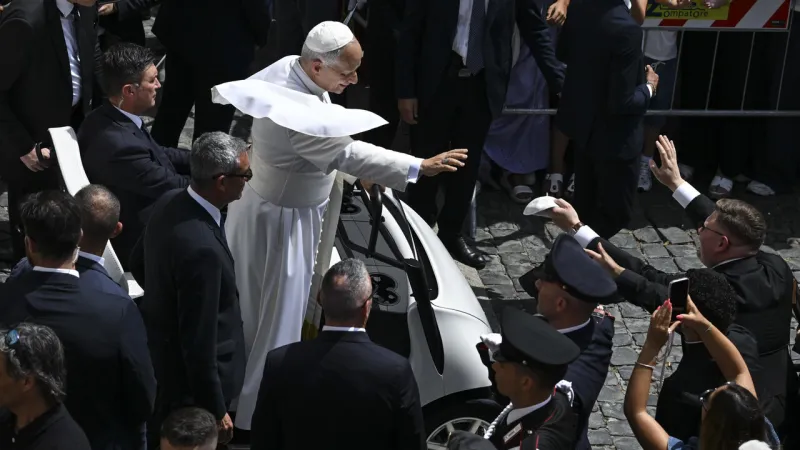
VATICAN CITY – The Holy See has issued a fervent plea for de-escalation in the Holy Land, with the Pontiff expressing profound disquiet over the escalating violence that continues to destabilize the volatile region. This urgent appeal, recently amplified by Franciscan Father Ibrahim Faltas, underscores the Vatican's enduring commitment to peace and its alarm at the deteriorating humanitarian and political situation.
The Pope's message, conveyed through various channels including the traditional Angelus address and statements from Vatican representatives, consistently highlights the imperative for dialogue and mutual understanding. He has repeatedly urged all parties involved to cease hostilities and prioritize the lives and inherent dignity of all inhabitants, regardless of their religious or ethnic affiliation.
Padre Faltas, a prominent Franciscan friar serving in the Holy Land and known for his tireless interfaith efforts, specifically implored global leaders and community members to heed the Pope's earnest appeals. He emphasized that these calls represent not mere rhetoric but a profound moral imperative to prevent further bloodshed and alleviate suffering.
The Holy Land, a crucible of deeply entrenched religious and geopolitical tensions, has witnessed a concerning resurgence of conflicts in recent months. Reports detail an alarming increase in clashes, civilian casualties, and heightened animosity among communities, painting a grim picture of daily life for countless individuals caught in the brutal crossfire.
This relentless cycle of violence inflicts severe hardship on the civilian population, including restricted movement, devastating economic disruption, and profound psychological trauma. Children, in particular, bear the brunt of the ongoing instability, their nascent futures overshadowed by constant fear and pervasive uncertainty.
For decades, the Vatican has maintained a clear and consistent diplomatic stance on the Israeli-Palestinian conflict, advocating steadfastly for a two-state solution and the scrupulous respect of international law. Its extensive diplomatic efforts often center on fostering conditions conducive to peaceful coexistence and safeguarding the long-established status quo of Jerusalem's revered holy sites.
The current escalation unfolds against a complex regional backdrop, where geopolitical shifts and persistent proxy conflicts contribute significantly to an already precarious environment. International observers note a troubling paucity of substantive progress in meaningful peace negotiations, allowing deeply rooted grievances to fester and new flashpoints to emerge with alarming regularity.
The Pope's fervent appeals serve as a poignant reminder to the international community of its collective responsibility to act decisively and with conviction. Without concerted global efforts, the insidious cycle of violence risks spiraling further, rendering a just and lasting peace an increasingly elusive aspiration.
As the sacred birthplace of three major monotheistic religions, the Holy Land holds immense spiritual significance for billions worldwide. The desecration of its sacred spaces and the acute suffering of its people resonate deeply with believers across the globe, amplifying the intrinsic urgency of the papal message.
Despite the often bleak assessments, the Vatican continues to champion hope and genuine reconciliation. The powerful appeals from the Pope and revered figures like Padre Faltas aim to rekindle the spirit of constructive dialogue and to remind all stakeholders that peace, while undeniably challenging to attain, remains the only truly viable and sustainable path forward for the beleaguered region.