 Dodi Irawan
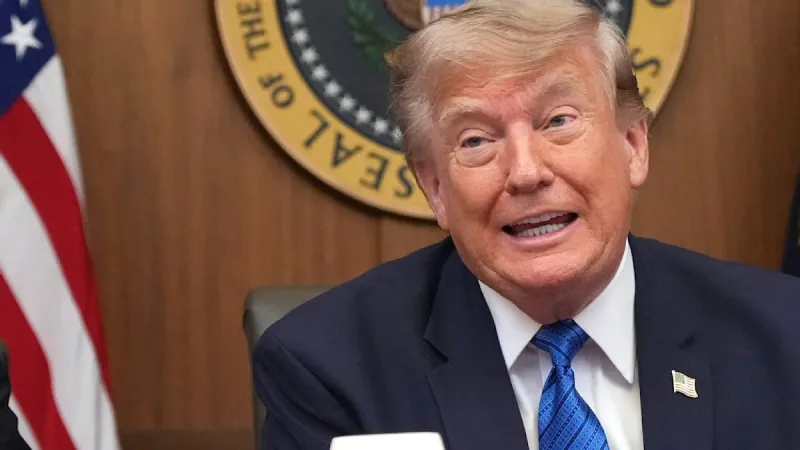
WASHINGTON — The U.S. House of Representatives has overwhelmingly approved a new legislative measure aimed at compelling President Donald Trump to cease military involvement in Iran, a move that significantly intensifies congressional pressure on the administration amidst escalating geopolitical tensions. This development unfolds as Tehran maintains a firm refusal to engage in diplomatic talks, further complicated by the Pentagon's recent admission of dwindling weapon stockpiles.
The bipartisan-supported measure, passed with a substantial majority, represents a forceful reassertion of congressional authority over matters of war and peace, challenging the executive branch's prerogative in ongoing military engagements. Advocates for the bill argue that a prolonged Iran war without a clear strategic objective risks further destabilizing the volatile Middle East region and diverting critical resources.
This legislative push directly confronts President Trump's foreign policy approach to Iran, which has been characterized by a blend of assertive sanctions and intermittent military posturing. While the President has previously expressed a desire to avoid protracted conflicts, his administration has maintained a robust stance against what it perceives as Iranian regional aggression.
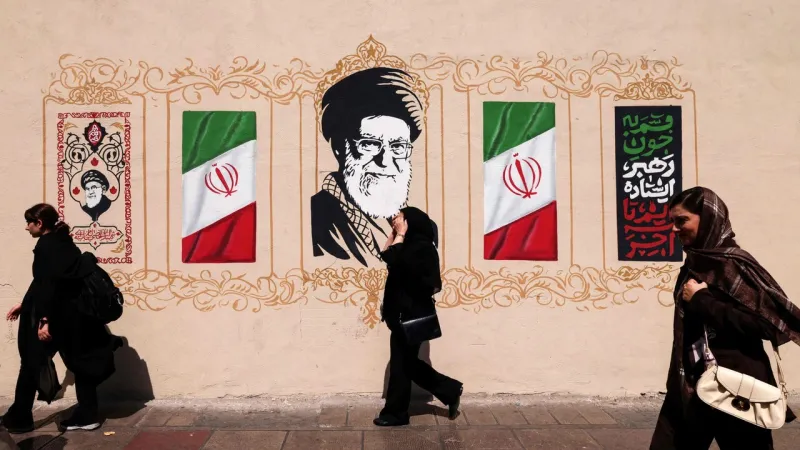
Simultaneously, Tehran's response to any potential diplomatic overtures remains consistently frigid. Official statements from Iranian leadership indicate a deep mistrust of U.S. intentions, effectively freezing any prospects for de-escalation through direct dialogue. This diplomatic stalemate exacerbates the complex security environment.
Adding another layer of concern to the already strained situation is the Pentagon's candid acknowledgment of declining munition reserves. This revelation, first surfaced in internal reports and later confirmed by defense officials, suggests potential challenges for sustained military operations. The scarcity issue raises questions about the long-term viability of current engagement levels, as extensively highlighted in recent analyses such as Tehran Rejects US Dialogue, Pentagon Alarmed by Munition Shortage.
The origins of current US-Iran tensions are multifaceted, rooted in decades of historical grievances, geopolitical competition, and differing strategic interests in the Persian Gulf. From the 2018 withdrawal from the Joint Comprehensive Plan of Action to subsequent maritime incidents and proxy conflicts, the relationship has consistently teetered on the brink of wider confrontation.
Congressional proponents of the resolution emphasize the economic burden of an indefinite conflict, alongside the humanitarian toll on civilians. Lawmakers from across the political spectrum cited concerns over the lack of a formal declaration of war and the need for greater legislative oversight in military actions abroad, particularly concerning the Iran war.
The House action presents a significant test for the Trump administration's foreign policy framework. Should the measure advance through the Senate and reach the President's desk, it would force a direct decision on the future of U.S. military presence in the region, potentially leading to a presidential veto and a subsequent override attempt.
International observers are closely monitoring the developments in Washington and Tehran. Allies in Europe and the Middle East, many of whom have urged de-escalation, are likely to view the House's move as a potential step towards diplomatic resolution, while regional adversaries may adjust their calculations based on shifting U.S. policy.
The debate surrounding the measure underscored a broader division within American politics regarding the extent of executive power in foreign military affairs. While some argue for the necessity of presidential agility in rapid response scenarios, others champion congressional responsibility in committing the nation to conflict.
The specter of a full-scale Iran war carries immense financial implications, far beyond the immediate costs of munitions. Economic models predict severe disruptions to global oil markets, increased defense spending, and potential long-term recessionary pressures, all of which weigh heavily on congressional calculations.
Beyond economic concerns, the humanitarian crisis in any prolonged conflict zone remains a paramount consideration. Advocates for withdrawal frequently highlight the devastating impact on civilian populations, displacement, and the potential for a regional refugee crisis, urging caution and restraint.
Despite the current deadlock, many diplomatic experts continue to advocate for alternative channels of communication and de-escalation strategies. While official talks are stalled, back-channel diplomacy or mediation by neutral parties could yet offer a path to ease tensions and prevent further escalation of the situation.
Domestically, the House vote also reverberates within the American political landscape, influencing public opinion and shaping narratives ahead of upcoming elections. The ability of the President and Congress to navigate this complex foreign policy challenge will undoubtedly be scrutinized by voters.
In essence, the House's mandate signals a critical juncture in U.S. foreign policy towards Iran. With legislative pressure mounting on President Trump, Tehran maintaining its hardline stance, and the Pentagon facing logistical constraints, the path forward for the Iran war remains fraught with uncertainty and pivotal decisions.