 Dorry Archiles
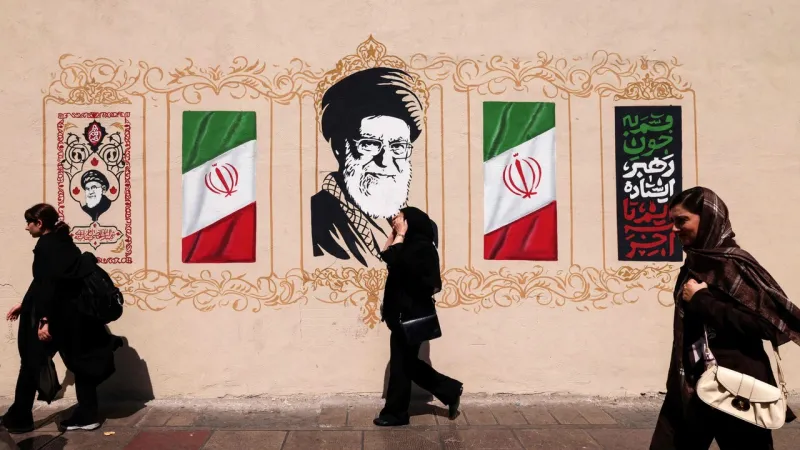
Tehran, Iran, has officially rejected any prospect of direct negotiations with the United States under President Donald Trump, a staunch refusal that coincides with a parallel and alarming warning from the Pentagon regarding critical ammunition shortages impacting US military readiness. The dual developments underscore a deepening chasm in international diplomacy and a growing concern over global strategic stability.
Iranian officials, through state media, conveyed a definitive message that dialogue with Washington is off the table, reiterating a long-held position of distrust. This stance comes at a time of persistent geopolitical friction, with Iran asserting that American sanctions and perceived hostile actions preclude any meaningful diplomatic engagement.
The refusal to negotiate echoes years of strained relations, particularly since President Trump withdrew the U.S. from the Joint Comprehensive Plan of Action (JCPOA), commonly known as the Iran nuclear deal, in 2018. Subsequent re-imposition of crippling sanctions has consistently fueled Tehran's resentment, a point frequently highlighted in international forums, as detailed in reports like US Sanctions Ignite Iran's Fury at Nuclear Watchdog Summit.
For Iran, any talks would necessitate a fundamental shift in American policy, including the lifting of sanctions and a cessation of what it describes as economic warfare. Sources within the Iranian foreign ministry, speaking anonymously due to the sensitivity of the issue, indicated that previous overtures for dialogue were seen as mere ploys to exert pressure rather than genuine attempts at resolution.
Simultaneously, thousands of miles away in Washington, the Pentagon issued a sobering assessment of the nation's military supply chain. Senior defense officials expressed heightened alarm over significant shortfalls in various ammunition types, a critical component for maintaining operational readiness and deterring potential adversaries.
The Department of Defense report, while not publicly released in its entirety, reportedly outlines deficiencies across a spectrum of munitions, from artillery shells to precision-guided missiles. These shortages are attributed to a confluence of factors, including increased global demand, supply chain disruptions, and insufficient industrial capacity to meet surge requirements.
Amid these concerns, the Defense Department notably pushed back against characterizations from President Trump concerning the overall health and readiness of the US military. While specific remarks were not publicly detailed, a senior Pentagon official indicated, "We must always present an unvarnished assessment of our capabilities and challenges, regardless of any external narratives." This subtle but firm rebuttal underscored the gravity with which military leadership views the resource constraints.
Experts suggest that an extended period of ammunition scarcity could severely impact the US military's ability to sustain prolonged conflicts or effectively project power globally. This predicament raises questions about the nation's capacity to support allies, replenish its own stockpiles, and respond decisively to emerging threats in volatile regions.
The combined scenarios—Iran's diplomatic intransigence and the Pentagon's strategic supply worries—paint a complex picture for US foreign policy. The absence of a diplomatic channel with Tehran limits options for de-escalation, while a constrained munitions inventory could embolden adversaries or complicate responses to crises.
International relations analysts warn that the current trajectory increases the risk of miscalculation. Dr. Helena Vance, a geopolitical strategist at the Council on Foreign Relations, commented, "When major powers lack direct communication and one faces internal readiness challenges, the global security landscape becomes inherently more precarious."
While distinct in nature, both developments contribute to an environment of elevated global instability. The inability to engage diplomatically with a key regional player like Iran, coupled with potential limitations in military response, presents a multifaceted challenge for the Trump administration's national security agenda.
The path forward for resolving the impasse with Iran and shoring up defense stockpiles remains fraught with obstacles, requiring concerted diplomatic efforts and significant investment in industrial capabilities, all while navigating a complex domestic political landscape.