 Robert Andrison
Kiev, Ukraine – A relentless overnight barrage of Russian missiles and drones descended upon Ukraine's capital, Kiev, leaving at least eight civilians dead and multiple structures damaged, as President Volodymyr Zelensky simultaneously confronts escalating speculation regarding a potential fall election and a formidable challenge from General Valerii Zaluzhny.
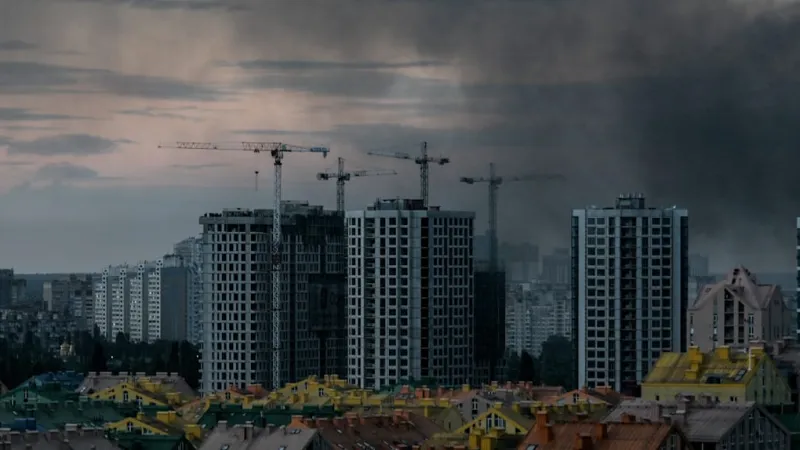
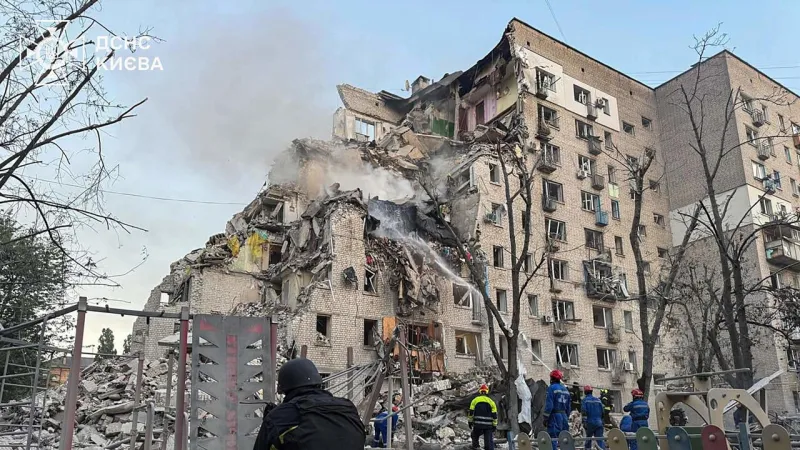
The extensive assault, which began late Tuesday and continued into early Wednesday, involved a complex mix of cruise missiles and Iranian-made Shahed drones, according to Ukrainian air defense command. Explosions reverberated across several districts, targeting both civilian infrastructure and residential areas. Emergency services reported ongoing rescue operations in the immediate aftermath.
Authorities confirmed the fatalities early Wednesday, noting that the death toll could rise as debris clearing continues. Among the casualties were residents trapped in collapsed buildings and individuals struck by falling fragments. Photographs from the scene depicted charred apartment blocks and smoldering wreckage, underscoring the indiscriminate nature of the sustained attacks.
Ukrainian officials condemned the aggression as a deliberate act of terror. Mayor Vitali Klitschko, speaking from a damaged district, vowed that the city would not be intimidated. "Every missile, every drone, only strengthens our resolve," Klitschko stated, urging international partners to bolster air defense systems further.
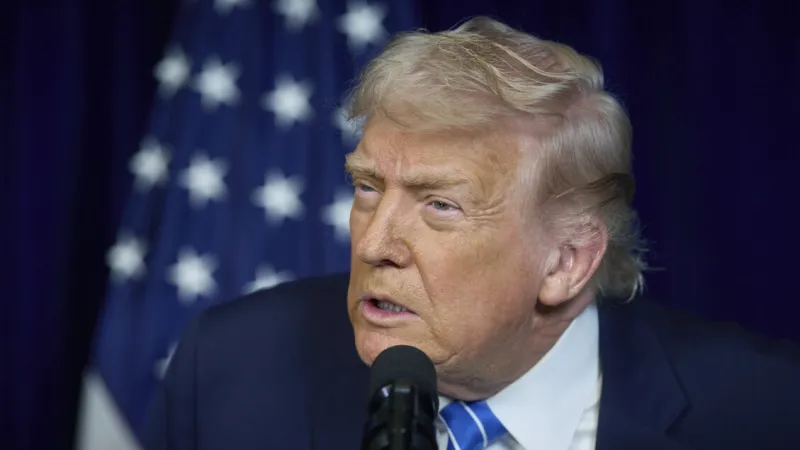
International reaction was swift, with several Western leaders denouncing the renewed aggression. The United Nations Secretary-General issued a statement calling for an immediate cessation of hostilities and protection of civilians. President Donald Trump, however, maintained a more cautious stance, emphasizing the need for de-escalation while reiterating support for Ukraine's territorial integrity.
The latest deadly assault on Kiev arrives at a particularly sensitive juncture for Ukraine's political landscape, where discussions surrounding a wartime election are gaining traction. President Zelensky has recently signaled his openness to holding an election this autumn, provided specific conditions are met, including security guarantees and international financial aid for the immense logistical undertaking.
Zelensky has previously argued that elections during active combat pose significant challenges, from ensuring voter safety to accommodating millions of displaced citizens and soldiers on the front lines. However, pressure from some international partners and segments of Ukrainian society for democratic accountability, even amid war, appears to be influencing his deliberations.
Central to this burgeoning political debate is the widely anticipated challenge from General Valerii Zaluzhny, the popular former commander-in-chief of Ukraine's armed forces. Speculation surrounding Zaluzhny's presidential ambitions has been rife for months. An article titled "Zelensky Eyes Fall Election Amid Speculation of Zaluzhny Challenge" extensively covered this developing dynamic earlier this year.
Zaluzhny, widely credited for Ukraine's initial resilience against the full-scale invasion, enjoys significant public trust. His removal from the top military post earlier this year by President Zelensky sparked internal controversy and was largely seen as a move to consolidate political control and address perceived strategic disagreements. This history sets the stage for a potentially divisive electoral contest.
Holding a nationwide election in a country under constant attack, with millions of citizens abroad as refugees and significant territories occupied, presents unprecedented logistical and constitutional hurdles. Critics argue that a wartime election could divert critical resources and attention away from the defense effort, potentially destabilizing national unity at a crucial moment.
Beyond logistics, the security implications of campaigning and voting under fire are profound. Any electoral process would require robust international monitoring and significant protective measures to ensure fairness and prevent Russian interference, which analysts widely expect. The targeting of civilians in Kiev underscores the pervasive threat.
The outcome of such an election could profoundly reshape Ukraine's leadership at a critical juncture in the ongoing conflict. A shift in presidential power might influence military strategy, diplomatic relations, and the trajectory of post-war reconstruction. The political maneuvering unfolding now is as critical as the battles on the front lines.
As Kiev grapples with the immediate devastation of Russian aggression, the nation simultaneously faces a pivotal moment of political introspection, balancing the imperatives of wartime defense with the foundational principles of democratic governance.