 Angel Doris
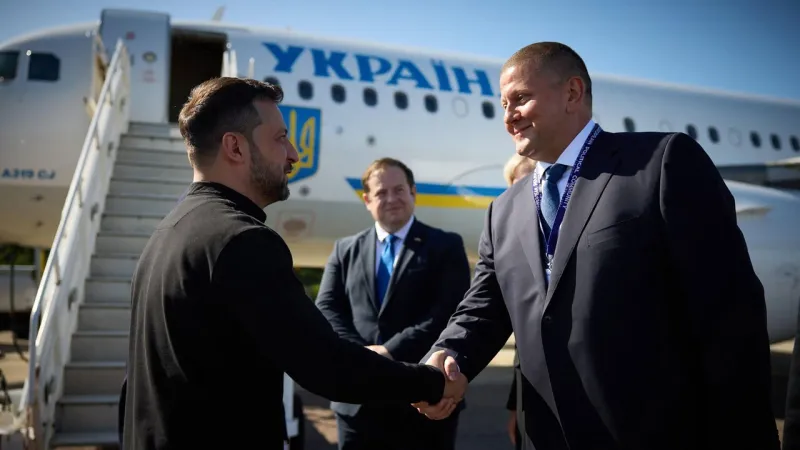
DUBLIN – Ukrainian President Volodymyr Zelensky is reportedly considering a national election this autumn, a move that would reshape the nation’s wartime political landscape and potentially pit him against a formidable challenger in General Valerii Zaluzhny. Speaking in Dublin, Zelensky underscored his commitment to intensified sanctions against Russia and accelerated European Union accession for Ukraine, framing these as critical pillars for the nation's future.
The prospect of a wartime election presents a complex dilemma for Kyiv. Ukraine operates under martial law, which typically suspends elections until hostilities cease. However, persistent calls from some international partners, particularly Western democracies, for transparent democratic processes have put the issue on the agenda.
General Valerii Zaluzhny, Ukraine's former Commander-in-Chief, remains immensely popular among the populace. His removal from the top military post earlier in the year was a contentious decision that revealed underlying tensions with President Zelensky. Analysts suggest Zaluzhny could emerge as a powerful political contender, capitalizing on his widespread public trust and military hero status should an election proceed.
Zelensky’s statements in Dublin also reiterated Ukraine's unwavering demand for increased international pressure on Russia. He specifically advocated for opening the cluster negotiations for Ukraine's EU membership, signaling a desire to expedite the integration process despite the ongoing conflict. This push aligns with his administration's long-term vision for Ukraine's strategic orientation towards the West.
The decision to hold an election amidst active conflict carries significant logistical and security challenges. Ensuring the safety of voters and electoral staff, facilitating participation for millions of displaced Ukrainians, and conducting polls in territories near the front lines or under occupation would be unprecedented hurdles.
Further complicating matters, the integrity of a vote held during wartime could face scrutiny. International observers would need unfettered access, and measures to prevent Russian interference or propaganda would be paramount to ensure credibility. The allocation of resources for an election, while the nation battles for survival, also presents a moral and practical quandary.
President Zelensky has previously emphasized that any election during martial law would require changes to Ukrainian legislation and substantial financial aid from international partners to cover costs and security measures. He has also indicated that all Ukrainian citizens, including those abroad and those serving on the front lines, must have the opportunity to vote.
While Zelensky focuses on the external front, rallying international support and advocating for decisive action against Russia, the internal political dynamic with a potential Zaluzhny challenge cannot be ignored. The general's tacit approval among parts of the Ukrainian military and segments of the population creates a powerful counter-narrative to the presidential administration.
Recent statements from President Zelenskyy have also highlighted his broader concerns about internal stability and external threats. He has previously condemned oligarchs' European power and warned of new Russian attacks, reflecting a comprehensive awareness of the multifaceted challenges facing Ukraine, as detailed in an article titled Zelenskyy Condemns Oligarchs European Power, Warns of New Russia Attack.
Ultimately, the path forward for a Ukrainian election in autumn 2026 remains fraught with uncertainty. The president's consideration reflects a delicate balance between democratic principles, wartime realities, and internal political aspirations. The international community, while supportive of democratic ideals, will closely monitor how Kyiv navigates this critical decision, which will undoubtedly shape Ukraine's future trajectory.