 Angel Doris
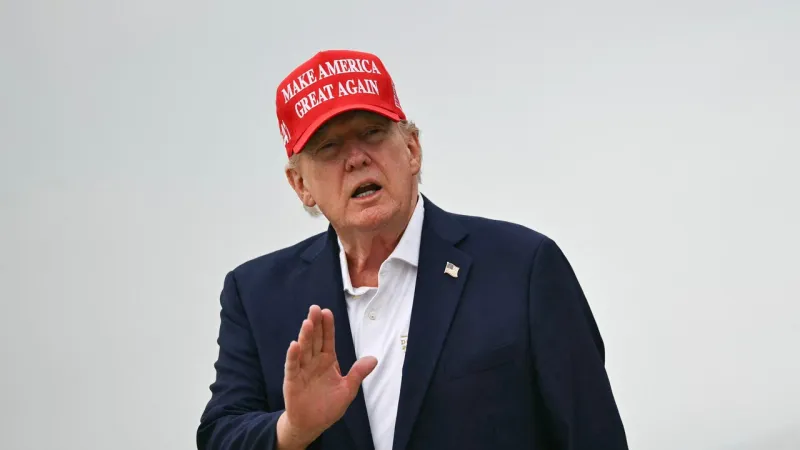
WASHINGTON – President Donald Trump issued a stark dual warning this week, cautioning Israel against further attacks on Gaza while simultaneously threatening military action against Oman should it interfere with the strategic Strait of Hormuz. These pronounced declarations from the Oval Office underscore a volatile geopolitical landscape, particularly as an unnamed Iranian official concurrently signaled intensified aggression in the vital waterway if diplomatic efforts with the United States falter.
President Trump conveyed his perspective on the ongoing conflict, stating it "would be better if Israel did not attack Gaza." This unsolicited counsel from the American leader introduces a complex layer to the long-standing tensions in the Middle East, potentially signaling a nuanced shift in Washingtons stance on Israeli military operations.
The President's remarks arrive amidst sustained international concern over humanitarian conditions in Gaza and the broader stability of the Israeli-Palestinian region. Recent reports have detailed intense military exchanges and the severe impact on civilian populations, making any call for restraint from a major global power particularly significant. The delicate balance of power in the region remains a focal point for global diplomacy, as exemplified by efforts to broker ceasefires and de-escalation.
Turning his attention to another critical flashpoint, President Trump unequivocally declared, "We will bomb Oman if it gets in the way on Hormuz." This assertive warning targets the Gulf nation directly, linking its actions to the unimpeded passage through the Strait of Hormuz, a conduit vital for global energy supplies. The statement highlights the administration's resolve to protect international shipping lanes.
The Strait of Hormuz serves as the worlds most crucial oil transit choke point, connecting the Persian Gulf with the Arabian Sea and beyond. Any disruption to this narrow waterway, through which a significant portion of the worlds seaborne oil passes daily, carries profound implications for global energy markets and international security. Past incidents involving shipping in the Strait have frequently triggered international alarm and prompted naval deployments.
Almost immediately following President Trumps strong pronouncements, a senior official in Tehran responded with an equally firm stance. The official, who remained unnamed, was quoted stating that "Iran will intensify attacks on Hormuz if diplomacy with the US fails." This direct counterpoint suggests a deepening impasse between the two nations, hinting at a cycle of escalation should diplomatic avenues close.
The relationship between the United States and Iran has long been characterized by periods of intense confrontation and fragile diplomacy. Issues ranging from Iran's nuclear program to its regional proxies and maritime activities have consistently fueled tensions. President Trumps administration has maintained a firm posture against Iranian aggression, frequently imposing sanctions and issuing stern warnings.
The dual nature of these latest warnings from both Washington and Tehran points towards a potentially dangerous escalation in the Middle East. With both sides expressing a readiness for more aggressive actions, the diplomatic community faces renewed pressure to de-escalate tensions and seek peaceful resolutions. The stakes are particularly high given the interconnectedness of regional conflicts.
The President's statements also ripple through the broader Middle East, affecting various alliances and regional power dynamics. Nations throughout the Gulf and the Levant keenly watch the interactions between major global powers and regional actors, understanding that any shifts in policy or threats of force could have immediate and significant consequences for their own security and economic stability.
Historically, the Strait of Hormuz has been a flashpoint for numerous geopolitical disputes. Blockades or threats to shipping lanes have consistently drawn international condemnation and intervention. The current rhetoric from both the US and Iran revives concerns about the safety and freedom of navigation in these critical waters, a principle championed by major maritime powers worldwide.
Despite the charged rhetoric, diplomatic channels, however strained, often remain open behind the scenes. International bodies and allied nations frequently endeavor to mediate between conflicting parties, striving to prevent military confrontations. The efficacy of these diplomatic pathways now faces a stringent test, particularly given the explicit threats articulated by both President Trump and the Iranian official.
President Trumps current foreign policy approach demonstrates a willingness to engage directly with complex international issues, often employing strong language to articulate his administrations positions. This strategy, seen in various global contexts, aims to project strength and deter perceived adversaries, though it can also be interpreted as heightening existing tensions. His past foreign policy actions, such as when President Trump cut US-South Korea drills, signaling a shift toward Pyongyang, illustrate this assertive style.
International observers and allied governments will undoubtedly be scrutinizing these statements closely for indications of future policy direction. Responses from key European and Asian allies, heavily reliant on the Strait of Hormuz for oil imports, will be particularly critical as they weigh the implications for global trade and regional stability.
The call for Israeli restraint in Gaza also echoes widespread humanitarian concerns. International organizations have repeatedly highlighted the dire situation for civilians caught in the conflict, advocating for sustained access for aid and protection under international law. President Trumps comment, while brief, lends significant weight to these ongoing appeals. The context of peace efforts in the region is often complicated by such statements, as seen in reports like Kushner Meets Hamas; Terror Group Demands Israeli Withdrawal for Ceasefire.
Beyond the Strait of Hormuz, Irans military activities continue to draw international attention. Reports of its drone capabilities and regional engagements, such as when Iran drones struck Kurdistan Premier's office amidst wider war preparations, contribute to the perception of a nation capable of projecting power and influence across the region, further complicating the US-Iran dynamic.
Should tensions in the Strait of Hormuz escalate to actual conflict or significant disruption, the economic ramifications would be felt globally. Oil prices would likely surge, impacting industries and consumers worldwide. This potential for economic destabilization adds another layer of urgency to diplomatic efforts aimed at maintaining peace and security in the region.
The coming weeks will likely reveal whether these recent pronouncements lead to a de-escalation through diplomatic channels or if the current trajectory points towards heightened confrontation. The international community remains on alert, urging all parties to exercise restraint and prioritize dialogue over military threats.