 Dorry Archiles

Moscow, Russia witnessed a significant escalation in hostilities as the Ukrainian military launched a large-scale drone attack involving hundreds of unmanned aerial vehicles against a major warehouse belonging to Russian online retailer Wildberries. Kyiv alleges the e-commerce giant has been clandestinely distributing military supplies to Russian forces, justifying the unprecedented cross-border assault.
The early morning operation targeted the expansive logistics hub situated on the outskirts of the capital, resulting in significant damage according to initial assessments. Russian authorities confirmed the attack, reporting multiple drones intercepted but acknowledging direct hits on the commercial facility. Emergency services were dispatched to the scene, battling fires and assessing structural integrity.
Ukrainian defense officials, while not directly claiming responsibility in explicit terms, disseminated statements emphasizing Kyivs resolve to target any infrastructure perceived as supporting Moscows military endeavors. The specific accusation against Wildberries marks a strategic shift, directly implicating a prominent private enterprise in the broader conflict.
Wildberries, a dominant force in the Russian e-commerce landscape, has yet to issue an official statement addressing the drone strike or the severe allegations leveled by Ukraine. The company, founded by entrepreneur Tatyana Bakalchuk, has historically maintained a public profile focused on consumer goods and logistics, making the accusation of military goods distribution particularly notable.
WELT correspondent Ibrahim Naber, reporting from the front, highlighted the strategic implications of targeting such a facility. He underscored that while ostensibly civilian, any company implicated in aiding military logistics becomes a legitimate target in the eyes of an aggressed nation. Naber noted the attack underscores Ukraines expanding drone capabilities and willingness to strike deeper into Russian territory.
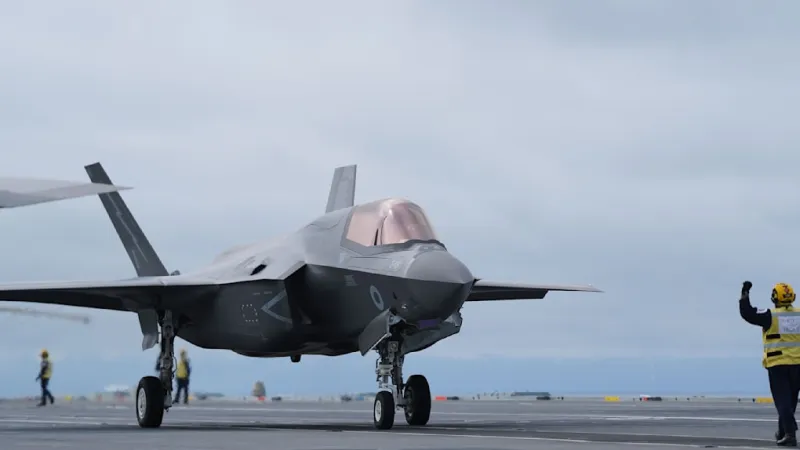
This incident is not an isolated event. Over the past year, Russian cities, including Moscow, have frequently been subjected to drone attacks, primarily attributed to Ukrainian forces. These operations have largely focused on military installations or government buildings, but targeting a major commercial distribution center represents an expansion of economic pressure tactics. Recent reports have even highlighted instances where NATO jets have engaged Russian drones amidst Moscow strikes, signaling heightened tensions.
The deliberate targeting of a critical supply chain node like a Wildberries warehouse could aim to disrupt Russian domestic logistics, thereby indirectly impacting its military supply lines if the allegations hold true. Such an approach seeks to inflict economic pain and sow public unease within Russia, compelling a reconsideration of its actions in Ukraine.
International observers are closely monitoring the situation, as the targeting of private companies with alleged ties to military support raises complex questions about international law and corporate responsibility during wartime. Nations supplying aid to Ukraine have largely focused on defensive capabilities, but this offensive action against alleged supply chain complicity adds a new dimension to the conflict.
The Kremlin has consistently condemned Ukrainian drone incursions as acts of terrorism, vowing severe retaliation. This latest strike on a prominent domestic company is likely to intensify Moscows rhetoric and potentially its military responses, further escalating the already protracted conflict. The Russian Ministry of Defense has yet to detail its countermeasures or provide specific evidence contradicting Ukraines claims about Wildberries.
The attack puts Wildberries in a precarious position, demanding either a robust defense against the allegations or a transparent accounting of its supply chain operations. The incident serves as a stark reminder that in modern warfare, the lines between military and civilian infrastructure can blur, especially when non-military entities are accused of facilitating military operations.
This development could also prompt other international businesses operating in Russia to re-evaluate their supply chain integrity and ensure they are not inadvertently contributing to military efforts, given the heightened scrutiny and potential for direct targeting. The economic fallout from such a high-profile attack could extend beyond Wildberries, affecting investor confidence in Russian markets.
The ongoing conflict continues to demonstrate the evolving nature of modern warfare, where technology like drones allows for precision strikes far beyond traditional front lines, bringing the reality of the war closer to civilian populations and corporate entities. The incident at the Wildberries warehouse is a potent symbol of this broadening battlefield.