 Robert Andrison
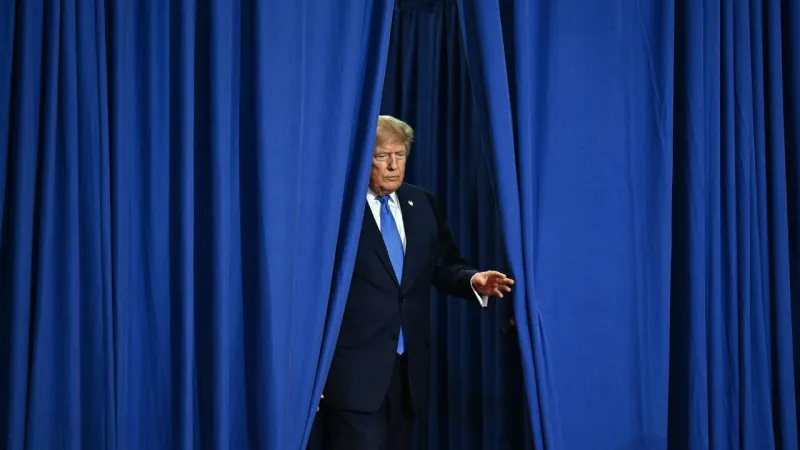
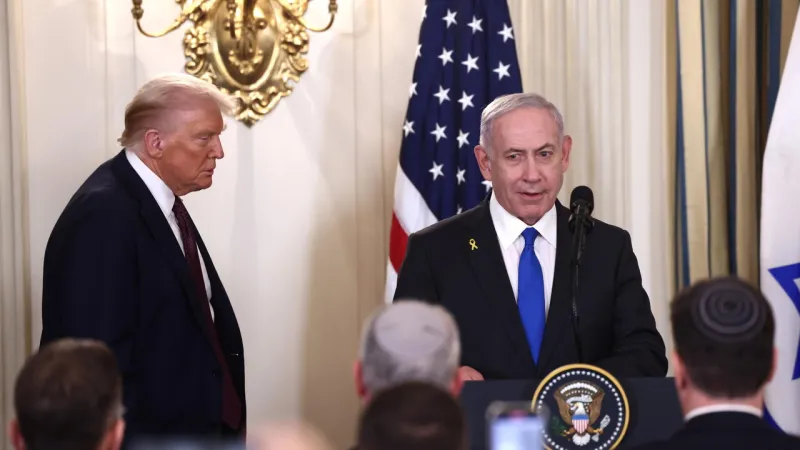
WASHINGTON – President Donald Trump has significantly curtailed the scale of planned joint military exercises with South Korea just ahead of their scheduled commencement, announcing a drastic reduction driven by their prohibitive cost and a stated intention to avoid sending a provocative signal to Pyongyang. The decision marks a notable shift in the long-standing defense posture of the United States in the strategically vital region.
The President underscored his fiscal concerns during a pre-exercise briefing, emphasizing that the maneuvers represented a substantial financial drain on American taxpayers. He has repeatedly voiced skepticism regarding the extent and expense of such large-scale drills, advocating for a more cost-effective approach to defense.
Beyond the financial implications, President Trump articulated a diplomatic consideration, asserting that extensive exercises could be perceived as overtly hostile by North Korea. This perspective aligns with his broader foreign policy approach of de-escalation and direct engagement with Pyongyang, aiming to foster a conducive environment for dialogue.
For decades, the annual US-South Korea military exercises have been a cornerstone of the alliance, designed to enhance interoperability and readiness in the face of potential aggression from North Korea. These drills typically involve tens of thousands of troops, naval assets, and significant air power, simulating various combat scenarios.
While specific drill names were not immediately released in conjunction with the reduction announcement, the exercises traditionally cover a spectrum of scenarios, from defensive operations to counter-infiltration drills. Their reduced scope will likely affect the complexity and duration of these simulations, focusing on essential components.
Officials in Seoul were understood to be carefully assessing the implications of the presidential directive. While South Korea has historically viewed these joint drills as critical for national security and deterrence, the government must now navigate the balance between alliance strength and the evolving diplomatic landscape with its northern neighbor.
Pyongyang has consistently denounced these joint South Korea military exercises as rehearsals for invasion, often responding with its own missile tests or aggressive rhetoric. President Trumps move could be interpreted by North Korea as a gesture of goodwill, potentially easing regional tensions, or as a sign of weakening resolve.
This is not the first instance where President Trump has adjusted the scale of these exercises. Previous reports, such as "Trump Halves South Korea Drills Amidst Kim Jong Un Amity," detailed similar decisions to postpone or downsize certain drills as part of diplomatic overtures aimed at facilitating denuclearization talks with North Korea.
The Pentagon, tasked with executing the President's orders, is currently working to adapt operational plans to the new directive. Defense officials emphasize that while the scale may be reduced, the commitment to South Korea's defense and regional stability remains unwavering, underscoring the enduring nature of the alliance.
The decision is expected to reverberate across the Asia-Pacific, prompting discussions among allies about the future of security cooperation and the strategic calculus in managing North Korean proliferation. Regional partners will closely monitor the diplomatic fallout and any shifts in the balance of power.
Despite the changes in military posturing, the fundamental US alliance with South Korea remains a pillar of regional stability. The adjustments are framed by the administration as a pragmatic recalibration of resources and diplomatic signals rather than a fundamental shift away from mutual defense commitments.
The long-term impact of consistently scaled-back US-South Korea military drills on readiness and deterrence capabilities will be a key subject of strategic review in the coming months. Diplomatic efforts with North Korea are expected to continue in parallel, seeking avenues for lasting peace.