Gabriella
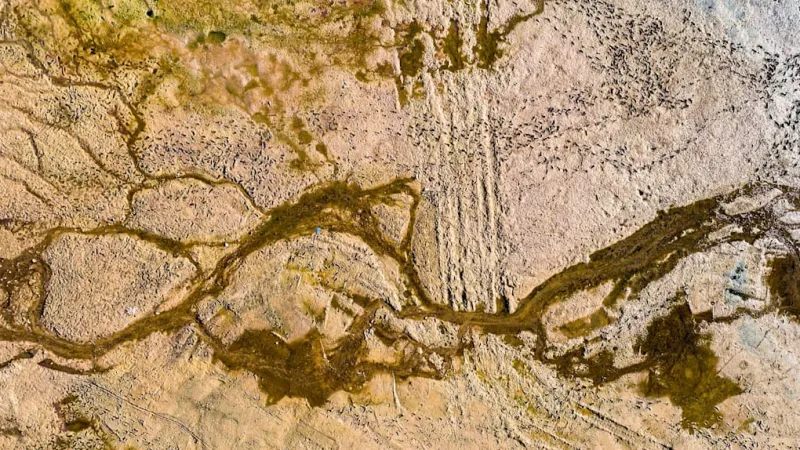
Europe faces a severe and prolonged water crisis, marked by an enduring drought that has gripped the continent since 2018, according to leading scientific experts. This multi-year deficit, exacerbated by widespread heat and dryness, has rendered traditional remedies insufficient, prompting calls for a fundamental reassessment of water management strategies.
The current meteorological conditions, characterized by scorching temperatures and minimal precipitation, are not merely seasonal anomalies. Scientists widely agree that even substantial rainfall events now fail to replenish groundwater reserves and soil moisture to pre-2018 levels, signaling a deeper, systemic challenge.
This sustained period of aridity underscores a critical shift in Europe's climate patterns. What began as a series of dry spells in the late 2010s has evolved into a continuous drought, threatening various sectors from agriculture to energy production and urban water supplies.
While climate change undeniably contributes to the escalating frequency and intensity of such events, experts caution against attributing the entire crisis solely to global warming. They point to a complex interplay of factors, including land use practices, historical water infrastructure, and regional meteorological phenomena that amplify the current water deficit.
The inadequacy of rain showers highlights the structural nature of the problem. Many regions across Europe now experience chronic water stress, challenging established agricultural practices and necessitating drastic measures to conserve dwindling resources.
Agricultural communities bear a significant brunt, facing reduced crop yields and increased irrigation costs. Livestock farming also suffers as pastures dry up, leading to concerns about food security and economic stability in affected rural areas.
The energy sector, particularly reliant on hydropower, also confronts significant challenges. Low river levels impede electricity generation, potentially increasing dependency on other, often more carbon-intensive, energy sources at a time when Europe aims for decarbonization.
Environmental ecosystems are equally vulnerable. Wetlands are shrinking, forests face heightened fire risks, and biodiversity suffers as natural habitats become increasingly parched. This cascading effect threatens the long-term ecological health of the continent.
Experts are advocating for a comprehensive rethinking of how European nations manage their water resources. This includes investing in smart water infrastructure, promoting drought-resistant farming techniques, implementing stricter water conservation policies, and fostering cross-border cooperation on shared river basins.
Such a paradigm shift requires significant political will and public engagement. Policymakers must move beyond reactive crisis management towards proactive, sustainable strategies that anticipate and mitigate the impacts of future droughts, ensuring water security for generations to come.
The prolonged European drought demands immediate and coordinated action. As the continent continues to navigate these unprecedented dry conditions, the imperative to adapt and innovate in water management has never been more urgent.