 Dorry Archiles
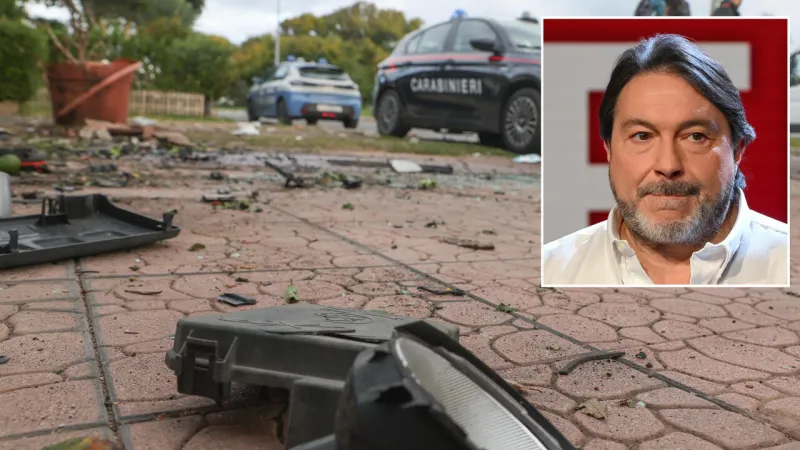
ROME - A contentious legal battle is unfolding in Italy as journalist Sigfrido Ranucci's legal counsel vehemently defends his client, asserting Ranucci is a victim even as he faces accusations of causing damage to public image. This intricate situation is exacerbated by escalating political demands for his replacement, creating a moral paradox for democracy.
The defense strategy highlights a fundamental conflict: while Ranucci contends with professional challenges and scrutiny, the very system that should protect individuals in his position is simultaneously seeking his ouster. This dichotomy places a spotlight on the delicate balance between public perception, political expediency, and individual rights within the media landscape.
Political factions across the spectrum have reportedly intensified their calls for Ranucci to be removed from his prominent position, though the specific allegations leading to the perceived image damage remain broadly defined in public discourse. These demands underscore a broader sentiment of dissatisfaction or strategic maneuvering by political entities.
"He is a victim, but he is accused of damaging an image," Ranucci's lawyer stated, emphasizing the inherent contradiction in the current charges. This direct assertion frames Ranucci not as an aggressor or wrongdoer, but as an individual potentially targeted unjustly by external forces, specifically political ones.
The legal team posits that the true damage lies not with Ranucci's actions, but in the political system's response to him. The narrative presented by his defense is one of a professional caught in the crosshairs of a volatile political environment, where his perceived independence or investigative work might have ruffled powerful feathers.
The situation, characterized by many as a moral paradox for democracy, resonates deeply. It suggests that when political bodies move to remove figures based on nebulous damage to image rather than concrete wrongdoing, it risks eroding democratic principles and the integrity of public institutions.
This incident is not isolated in the vibrant yet often turbulent landscape of Italian media and politics, where the lines between news reporting, public opinion, and political agenda can frequently blur. The struggle for editorial independence and the potential for political interference remain persistent themes.
Observers suggest that the outcome of this case could set a significant precedent for future interactions between political power and media figures in Italy. A decision favoring political demands could be seen as exerting a chilling effect on journalistic integrity and the willingness of reporters to pursue sensitive stories without fear of retribution.
The public, though without extensive details on the underlying issues, is beginning to engage in debate over the fairness of the situation. Social media platforms and news commentary sections reflect a growing concern over the implications for journalistic autonomy and the proper role of government in shaping media personnel.
Ranucci, known for his investigative journalism, now finds himself at the center of a different kind of scrutiny. His case exemplifies the ongoing tension between media accountability and political authority, making the defense's argument about his victimhood particularly poignant.
As the legal and political machinations continue, the focus will remain on how Italian institutions navigate this challenging situation. The resolution will undoubtedly be watched closely by advocates for press freedom and those concerned about democratic norms globally.
The gravity of the situation extends beyond the individual, touching upon the very foundational values of a democratic society. The ability of a journalist to operate without fear of politically motivated removal is a cornerstone of a healthy public sphere.