 Edward DP Situmorang
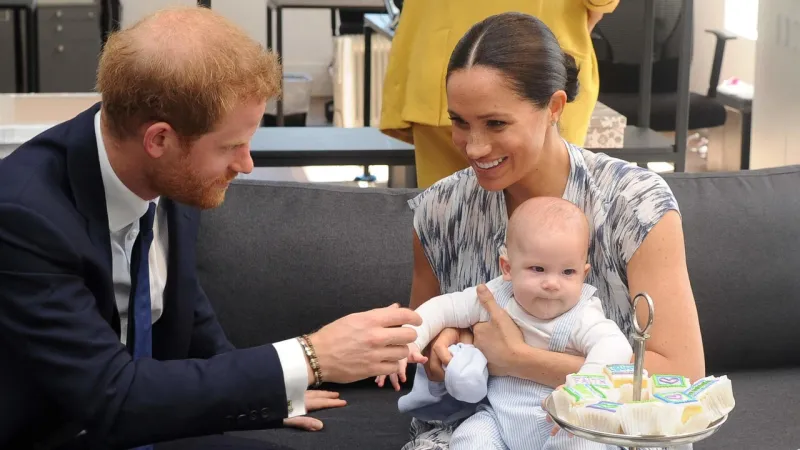
Prince Harry, Duke of Sussex, is poised to visit the United Kingdom between July 7 and 11, 2026, amidst heightened personal security concerns, including apprehension over potential terrorist threats. While the Duke reportedly harbors significant worries regarding his safety, British law enforcement authorities have publicly downplayed these fears, suggesting adequate protective measures are in place for his itinerary.
The Duke's impending return to his homeland reignites a protracted dispute over his security arrangements, a contentious issue since his decision to step back from active royal duties in 2020. His previous legal challenges against the British government sought state-funded police protection, arguing that his status as a high-profile target necessitates robust security.
Sources close to the Duke indicated that his concerns specifically cite the pervasive threat of terrorism, a reality faced by many nations, including the UK. These sources highlighted a perceived lack of adequate security provision during prior private visits, a situation he believes exposes him and his family to undue risk.
However, Metropolitan Police officials have maintained a consistent stance, emphasizing their professional capability to assess and mitigate security risks for all individuals requiring protection within the UK. A spokesperson for Scotland Yard, who requested anonymity due to the sensitive nature of royal security protocols, stated, "All necessary security assessments are conducted diligently for individuals on official visits or those identified as requiring protection."
The spokesperson further elaborated that the allocation of resources for royal protection is determined by a rigorous threat assessment process, not solely by an individual's preference or former status. This pragmatic approach underscores the police's commitment to public safety while managing taxpayer resources responsibly.
The ongoing dialogue surrounding Prince Harry's security first escalated after the UK Home Office decided in 2020 that he would no longer receive automatic personal police protection while in Britain, a privilege typically reserved for working royals. This decision sparked a judicial review, which the Duke largely lost, solidifying the Home Office's discretion in the matter.
His forthcoming visit marks one of several trips to the UK since his relocation to the United States. Each visit has brought renewed media attention to the intricacies of royal security, often pitting the Duke's personal anxieties against the operational realities and budgetary constraints of the British state.
Security experts generally agree that individuals of Prince Harry's prominence inherently face a higher threat level from various sources, including stalkers, paparazzi, and extremist groups. Dr. Alistair Finch, a London-based security analyst, remarked, "The threat landscape for public figures remains complex and dynamic. While general police presence offers a baseline, bespoke protection details are critical for specific high-risk individuals."
Dr. Finch added, "However, the framework for providing that bespoke protection evolves, particularly when individuals transition out of official state roles. The balance between perceived need and actual threat is constantly reevaluated."
The Royal and VIP Executive Committee (RAVEC) is the body responsible for making decisions on royal security. Their evaluations consider intelligence assessments from various agencies, weighing the likelihood and impact of potential threats. The Duke has previously expressed a desire to pay for police protection himself, an offer that has been complicated by legal and policy considerations.
Despite the public disagreement, both sides maintain that the ultimate goal is ensuring the Duke's safety during his stay. The police assertion of readiness suggests confidence in their existing capabilities to manage the Prince's itinerary, which reportedly includes several private engagements.
The specific details of Prince Harry's agenda in the UK have largely remained undisclosed, a common practice for private visits to minimize public disruption and potential security vulnerabilities. His interactions with other members of the Royal Family during this period are also subject to intense speculation.
This visit occurs against a backdrop of ongoing geopolitical tensions and the persistent global challenge of combating terrorist threats. The UK's national threat level for international terrorism remains substantial, meaning an attack is considered likely, a factor undoubtedly influencing all high-profile security assessments.
The controversy surrounding the Duke's security underscores the unique challenges faced by members of the Royal Family, particularly those who have chosen a path outside traditional royal duties. The demarcation between private citizen and public figure remains blurred when it comes to personal safety on British soil.
As July approaches, all eyes will be on the smooth execution of the Duke's visit, with security measures likely to be robust, regardless of the public discourse. The expectation is for a discreet yet secure presence during his short return to the UK.