 Angel Doris
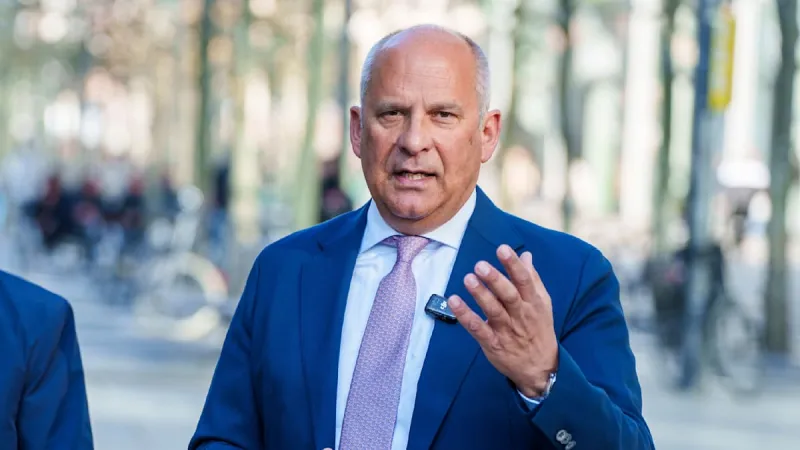
Wiesbaden, Germany – Hesse's Interior Minister Roman Poseck, a prominent member of the Christian Democratic Union (CDU), has issued a forceful call for intensified measures to curb rising knife criminality, advocating for weapon ban zones, more consistent and swift deportations, and significantly higher minimum sentences for offenders. His demands underscore a growing concern within German political circles regarding public safety.
The minister's proposals come amidst increasing public and political alarm over incidents involving knives, which have garnered national attention and fueled debates on immigration and law enforcement efficacy. Poseck emphasized the imperative for the state to act decisively to protect its citizens from violent offenses.
One of the central tenets of Minister Poseck's plan involves establishing broad weapon ban zones in areas identified as hotspots for criminal activity. These zones aim to deter individuals from carrying knives and other dangerous implements, thereby reducing the potential for violent confrontations.
Crucially, Poseck also highlighted the need for a more aggressive approach to the deportation of individuals who commit crimes. He articulated that Germany must implement deportations “more and faster,” sending a clear signal that criminal behavior by non-citizens will not be tolerated and will lead to immediate consequences.
This call for expedited deportations echoes similar sentiments expressed recently in other parts of the country, such as following the Trier stabbing, which fueled urgent calls for stricter deportation policy. Such incidents consistently reignite discussions about national security and immigration policies.
Beyond preventative measures and deportation, the CDU politician also pressed for an increase in the minimum penalties for offenses involving knives. The aim is to ensure that those who engage in knife crime face severe legal repercussions, thereby enhancing the deterrent effect of the justice system.
The debate surrounding knife crime and deportation policies is not new in Germany but has intensified as authorities grapple with complex issues related to integration, social cohesion, and the rule of law. Political leaders are under pressure to demonstrate effective strategies to ensure public safety.
Critics of the minister's tough stance often argue that focusing solely on deportation and harsher sentences may overlook underlying socioeconomic factors contributing to crime. They advocate for a more holistic approach that includes investment in social programs, education, and integration initiatives.
However, proponents, including Minister Poseck, contend that while long-term solutions are vital, immediate and strong law enforcement measures are necessary to address the present threat and restore public confidence in the state's ability to maintain order.
The proposals from Hesse's Interior Minister are expected to spark robust discussion within the state parliament and potentially influence national policy debates. The CDU, generally known for its law-and-order stance, typically supports such firm measures.
The implementation of these measures would require coordination across various levels of government, from local police forces enforcing weapon ban zones to federal agencies handling deportation processes. The call for faster deportations, in particular, would necessitate streamlining administrative and legal procedures.
As the situation evolves, political observers will closely monitor how these proposed measures are received and whether they lead to tangible shifts in Germany's approach to criminal justice and immigration enforcement. The imperative to safeguard communities remains paramount.