 Robert Andrison
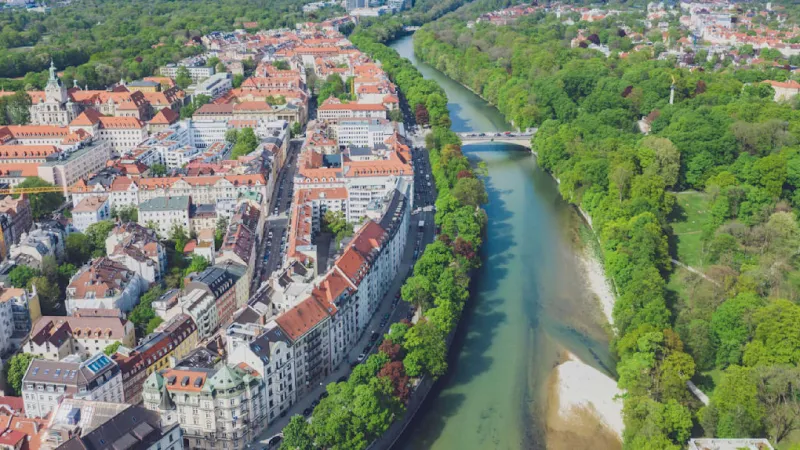
Munich, Germany – Authorities in the Bavarian capital have enacted an immediate and comprehensive prohibition on non-essential water usage, responding to alarmingly high consumption rates that have significantly surpassed normal levels. The stringent new regulations, effective immediately, forbid residents from engaging in activities such as washing cars, irrigating lawns, and filling private swimming pools. Violators face substantial penalties, with fines potentially reaching an punitive 50,000 euros.
The sweeping measure comes as municipal water consumption has registered "far above normal" values, prompting urgent action from city officials to safeguard critical water reserves. This decisive intervention underscores growing concerns over resource management in the face of environmental pressures.
Specifically, the ban targets discretionary water use that contributes disproportionately to overall demand. This includes the use of tap water for cleaning vehicles, either privately or commercially, the watering of green spaces such as private gardens and public lawns, and the replenishment or initial filling of swimming pools and paddling pools. Agricultural and critical industrial water usage, however, appears to be exempt, focusing the restrictions on household and recreational activities.
Enforcement of these new directives will fall to local regulatory bodies, with patrols expected to monitor compliance. The steep financial penalties are intended to act as a significant deterrent, emphasizing the gravity with which the city views the current water situation and the importance of immediate behavioral change.
While the specific meteorological triggers for this surge in consumption were not detailed in the official announcement, such bans often follow prolonged periods of high temperatures and insufficient rainfall, leading to increased demand for irrigation and cooling. Neighboring regions across Europe have also grappled with similar challenges; for instance, Italy Battles Extreme Heat: Red Alerts Soar to 15 Cities has frequently issued red alerts for extreme heat, placing immense strain on water systems.
The decision reflects a broader trend observed across parts of central Europe where municipalities are increasingly adopting proactive measures to conserve water. This move by Munich aims to prevent a potential water scarcity crisis, ensuring the long-term viability of the public water supply for essential services and consumption.
Residents are urged to adopt water-saving habits beyond the mandated prohibitions, such as taking shorter showers, running dishwashers and washing machines only when full, and reporting any leaks. Public awareness campaigns are anticipated to accompany the enforcement efforts, providing guidance on sustainable water practices.
The last time Munich faced such severe water restrictions was years ago, highlighting the unusual nature and urgency of the current situation. Experts point to climate shifts and growing urban populations as contributing factors to increased strain on natural resources, making such interventions more frequent across the continent.
The economic ramifications for businesses dependent on water-intensive activities, such as commercial car washes or landscaping services, remain unclear. However, these sectors will undoubtedly face operational adjustments or temporary closures as the ban takes effect.
This water conservation effort in Munich serves as a potent reminder of the fragility of natural resources and the necessity of responsible stewardship. It underscores how quickly environmental conditions can necessitate dramatic shifts in public policy and daily life.
Beyond immediate concerns, the episode contributes to the broader dialogue around climate resilience and urban planning in a changing world. Cities globally are re-evaluating their infrastructure and policies to adapt to increasingly unpredictable weather patterns and resource demands.
Similar conditions have previously prompted warnings of severe water stress in other parts of Europe, with specific instances like Italy Faces Extreme Heat: Sardinia Nears 45°C Amid Red Alerts serving as stark examples of regional vulnerability to extreme weather events.
While not directly related to current consumption issues, Germany has previously faced significant water-related challenges, including the devastating floods that impacted the Ahrtal region. The slow recovery for Ahrtal Flood Victims Decry Five-Year Recovery Stagnation highlights the complex and often unpredictable nature of water management crises.
The municipality remains committed to monitoring water levels and consumption data closely, indicating that the restrictions will remain in place until conditions significantly improve and reserves stabilize. The public health and safety of Munichs populace are paramount, necessitating these decisive steps.
This critical water conservation initiative highlights the proactive stance of Munichs government in addressing immediate environmental threats and ensuring sustainable resource availability for its citizens.