 Robert Andrison
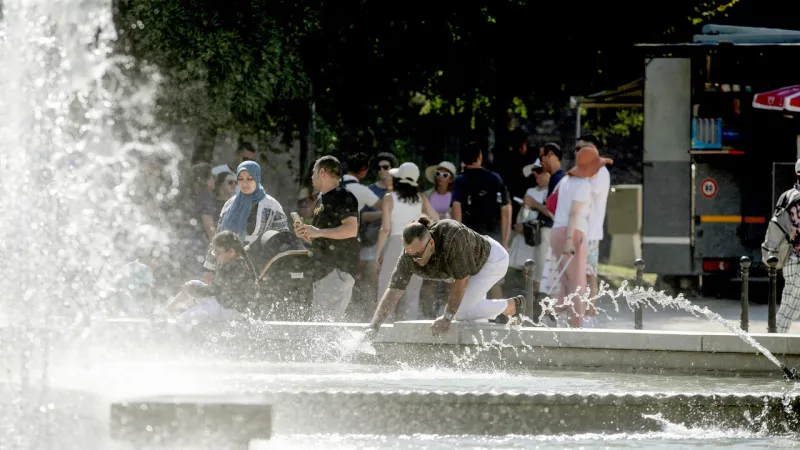
ROME, Italy is bracing for an intensifying heatwave, with public health officials raising red alert levels to 15 cities nationwide by Thursday, signaling significant health risks, particularly for vulnerable populations. This escalation follows an earlier forecast of seven red alerts for Wednesday, underscoring the rapid and severe impact of the African anticyclone gripping the peninsula. Authorities are urging residents to take extreme precautions as temperatures continue to climb.
The Ministry of Health issues red alerts, or bollini rossi, when meteorological conditions pose extreme danger to health for everyone, not just the elderly, chronically ill, or infants. This highest level of warning indicates widespread risk and necessitates immediate action to mitigate adverse health outcomes.
This Thursday marks a substantial increase in critical areas, nearly doubling the number of cities under the most severe warning compared to the preceding day. The unprecedented rise highlights the broad geographical reach of this particularly intense thermal wave.
Medical professionals and emergency services are on high alert, preparing for an anticipated surge in heat-related illnesses such as dehydration, heatstroke, and cardiovascular complications. Hospitals across affected regions have activated contingency plans to manage increased patient loads.
Public health advisories emphasize the critical importance of staying hydrated, consuming light meals, and avoiding strenuous physical activity during the hottest parts of the day, typically between 11 a.m. and 6 p.m. Citizens must also seek air-conditioned environments and check on neighbors, especially the elderly and those living alone.
Italy has experienced a series of severe heatwaves in recent years, a trend that climate scientists attribute to ongoing global warming. Previous summers saw similar extreme conditions, with regions like Sardinia nearing 45 degrees Celsius. These recurring events underscore the urgent need for robust public health infrastructure and long-term climate adaptation strategies. For further details on past events, read Italy Faces Extreme Heat: Sardinia Nears 45°C Amid Red Alerts.
While specific cities were not detailed in the initial alert update, the general pattern indicates central and southern Italy often bear the brunt of these intense meteorological phenomena. Major urban centers become particular hotbeds due to the urban heat island effect, trapping heat within concrete and asphalt landscapes.
The Italian Civil Protection Department coordinates efforts with local authorities to disseminate warnings and offer support. Information campaigns are underway, utilizing various media channels to inform the public about protective measures and emergency contacts.
Forecasters indicate that the current extreme heatwave could persist for several days, although a slight, localized dip in red alerts to seven cities is anticipated for Friday. This potential, albeit temporary, reduction offers a glimmer of hope but does not negate the pervasive danger of the prolonged high temperatures.
Experts warn that such periods of intense heat are becoming more frequent and severe, presenting a continuous challenge to public health and urban planning. The sustained impact demands a comprehensive approach to heatwave management and urban resilience.
Citizens are encouraged to monitor official meteorological reports and local advisories closely. Ensuring access to cool spaces and maintaining vigilance over personal health remain paramount during this critical period of elevated risk across Italy.