Gabriella
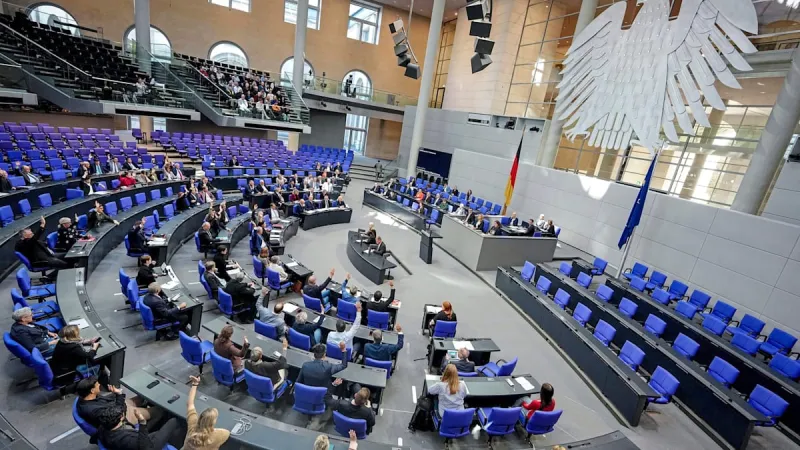
The German Bundestag recently enacted landmark legislation establishing the "Early Start Pension" program, a pioneering state-subsidized private retirement savings initiative designed to commence during childhood. This measure marks Germany's initial commitment to fostering long-term financial security for its youngest citizens, promising a monthly contribution of 10 euros towards their future.
Under the newly approved scheme, every eligible child in Germany will receive a regular deposit of 10 euros from the state into a dedicated private pension fund. This early financial intervention aims to cultivate a significant nest egg over decades, mitigating potential pension shortfalls that increasingly challenge European social welfare systems.
Proponents of the Early Start Pension argue that it addresses an urgent demographic reality: an aging population and a shrinking workforce straining traditional pay-as-you-go pension models. By initiating savings early, the program seeks to leverage compound interest, providing children with a substantial financial cushion upon retirement that would be difficult to accumulate otherwise.
Beyond the direct financial benefit, the initiative is touted as a critical step towards improving financial literacy among younger generations. It introduces the concept of long-term saving and personal responsibility for retirement planning from a foundational age, potentially shifting cultural attitudes towards fiscal prudence.
The legislative approval in the Bundestag followed extensive debate, highlighting diverse perspectives on state intervention in private finance and intergenerational equity. The ruling coalition championed the proposal as a forward-thinking social policy, emphasizing its potential to alleviate future poverty and promote economic stability.
Conversely, critics questioned the program's efficiency and the allocation of public funds. Some economists suggested that a 10-euro monthly contribution might be too modest to make a substantial difference without significant additional private investment, potentially creating an illusion of security rather than genuine relief.
Others advocated for direct investments in education, infrastructure, or family support, arguing these would yield more immediate and tangible societal benefits. They pointed to the ongoing need for robust public services that directly impact children's immediate well-being.
Germany's move resonates within a broader European landscape grappling with unsustainable pension burdens. Nations across the continent face similar pressures from demographic shifts, prompting reforms and innovative approaches to ensure future retirees maintain a decent standard of living. The challenge of sustaining robust pension systems is particularly acute in some neighboring countries, as evidenced by reports like Italy's Pension Burden Soars: 2025 Spending Hits Record 372 Billion.
The Early Start Pension funds will be managed by approved financial institutions, with options for families to contribute additional amounts. Regulations ensure transparency and security, with strict oversight to protect the children's investments until they reach adulthood, typically age 18, when they gain control over their individual accounts.
This bold policy reflects a governmental vision to proactively address economic vulnerabilities before they escalate into crises. It is designed not merely as a handout, but as a foundational investment in the collective prosperity and individual autonomy of future German citizens.
For millions of children, this program establishes a financial baseline, irrespective of their parents economic circumstances. It democratizes access to long-term savings, potentially narrowing the wealth gap over decades and offering a universal platform for capital accumulation from birth.
The immediate focus shifts to the practical implementation of the Early Start Pension. This includes establishing the administrative infrastructure, informing eligible families, and monitoring the initial performance of the chosen investment vehicles. Robust public education campaigns will be crucial for maximizing participation and understanding.