 Angel Doris
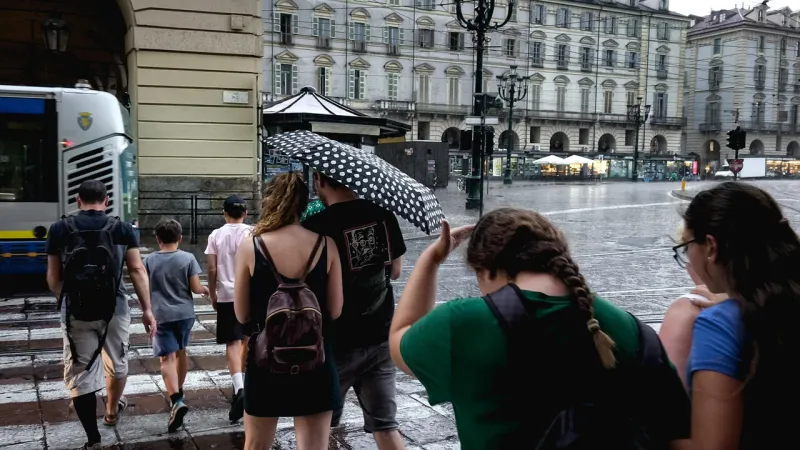
ROME - Italy is preparing for another week of intense heat, with temperatures projected to reach a scorching 40 degrees Celsius across central and southern regions during the revered Ferragosto holiday. Simultaneously, significant new construction projects have commenced on the crucial Rome-Florence high-speed railway line, underscoring ongoing national infrastructure development even amidst challenging weather conditions.
After a brief interlude of thunderstorms in northern Italy, the oppressive heat, known locally as "afa," is expected to reassert its dominance across the peninsula. This widespread return of high temperatures marks a continuation of weather patterns that have characterized much of the Italian summer.
Ferragosto, celebrated annually on August 15, is a national holiday when many Italians traditionally flock to beaches or mountains to escape the heat and enjoy a break. The anticipation of 40-degree temperatures presents considerable challenges for both residents and holidaymakers planning outdoor activities.
Prolonged exposure to such extreme heat poses significant public health risks, particularly for vulnerable populations including the elderly, young children, and individuals with pre-existing medical conditions. Authorities often issue warnings and advise precautions like hydration and avoiding peak sun hours.
This latest heatwave exacerbates existing environmental concerns. Recent reports have highlighted the dire state of Italy's crucial waterways, with the Po River experiencing historically low levels amid severe drought conditions, a situation further stressed by sustained periods of high temperatures. Italy's Lifeline Dries: Po River Levels Plummet Amid Severe Drought
The medical community also faces heightened pressure during these periods. Italy's emergency rooms, already grappling with a reported shortage of approximately 7,000 doctors this August, anticipate an increase in heat-related illnesses and emergencies. Italy's ERs Face Dire 7,000 Doctor Shortage This August
Shifting focus from climatic challenges, the nation also progresses on critical infrastructure upgrades designed to enhance connectivity and efficiency. The commencement of new work on the Rome-Florence high-speed line illustrates a continued commitment to modernizing Italy's transport network.
The Rome-Florence AV (Alta Velocita) line is a vital artery in Italy's railway system, connecting two of its most prominent cities. These new projects are expected to improve capacity, reduce travel times, and enhance the overall reliability of train services along this bustling corridor.
Investments in high-speed rail are often viewed as catalysts for economic growth, facilitating both business travel and tourism. Such developments can alleviate road congestion and offer a more sustainable alternative for long-distance transit.
While specific details about the scope and timeline of the current works remain to be fully disclosed, previous governmental statements have emphasized the strategic importance of these upgrades for national cohesion and competitiveness within Europe.
Commuters and travelers on the Rome-Florence route may experience temporary disruptions as the new construction progresses. However, railway authorities typically implement measures to minimize inconvenience, such as schedule adjustments or alternative transport options.
The dichotomy of a scorching summer vacation period juxtaposed with significant infrastructure undertakings reflects the multifaceted nature of Italy's national agenda. Citizens navigate environmental challenges while the state drives forward long-term development plans.
Experts continue to monitor weather patterns closely, with ongoing discussions about the increasing frequency and intensity of heatwaves as part of broader climate trends affecting the Mediterranean region.
The simultaneous progression of urgent environmental adaptation and vital infrastructure projects underscores Italy's continuous effort to balance immediate societal needs with future national growth.