 Stefani Rindus
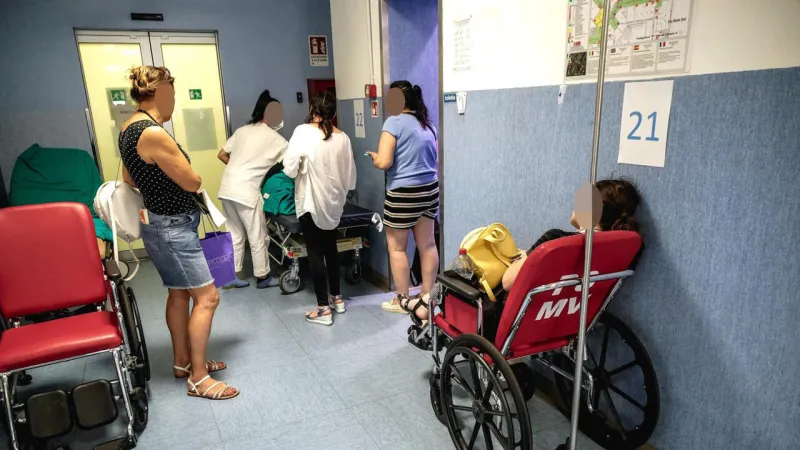
Italy's emergency rooms are bracing for an unprecedented staffing crisis this August, with the Italian Society of Emergency Medicine (Simeu) projecting a deficit of nearly 7,000 doctors. This critical shortfall, exacerbated by routine vacation absences, compounds existing structural understaffing, threatening to severely compromise patient care across the nation.
Simeu's alarm underscores a persistent vulnerability within the national health service. The organization has consistently highlighted the chronic lack of personnel, particularly in high-demand departments like emergency medicine.
The August period traditionally presents challenges for healthcare facilities as staff take summer leave. However, Simeu emphasizes that this year's confluence of pre-existing vacancies and seasonal absences will push the system to breaking point, far beyond typical seasonal strain.
The estimated deficit of 7,000 physicians is not merely a statistical anomaly. It represents a significant portion of the total workforce required to maintain adequate service levels in urgent care settings nationwide.
Such a severe emergency room shortage inevitably translates into longer wait times, increased pressure on remaining staff, and potentially a reduction in the quality and speed of medical interventions. Patients requiring urgent attention could face critical delays.
The problem stems from systemic issues, including insufficient recruitment, unattractive working conditions, and an aging medical workforce with too few new graduates opting for the demanding field of emergency medicine.
Simeu points out that even outside peak vacation periods, many emergency departments operate below optimal staffing levels. This structural deficit means that any additional pressure, such as widespread summer holidays, magnifies an already precarious situation.
While the government has acknowledged healthcare staffing issues, concrete measures to address the deep-rooted emergency room shortage have been slow to materialize or prove ineffective in stemming the tide of departures and insufficient new hires.
Medical associations are urging policymakers to implement immediate strategies, including emergency hiring drives, incentives for emergency physicians, and a long-term plan to bolster medical training and recruitment pipelines.
The crisis extends beyond immediate patient care, impacting morale among healthcare workers who are already experiencing burnout. The sustained strain could lead to more resignations, further exacerbating the personnel void.
While the national average suggests a dire outlook, the impact of the emergency room shortage is likely to vary regionally. Densely populated urban centers and remote areas often face unique challenges in attracting and retaining medical talent.
Similar staffing pressures have been noted in other European countries, indicating a broader trend of strain on public health systems, making the Italian situation part of a larger, global challenge.
Warnings about an impending emergency room shortage have been issued for years. Expert analyses frequently highlighted demographic shifts, an aging population, and a lack of investment in specialist training as contributing factors.
Patient rights groups are likely to voice concerns, demanding accountability from health authorities and advocating for measures that ensure timely access to essential medical services, especially during peak holiday periods.
The efficiency of a nation's healthcare system also has economic repercussions. A struggling emergency care sector can impact productivity, public confidence, and even tourism, particularly in a country like Italy that relies heavily on its hospitality industry.
The strain on public emergency rooms may push more patients towards private facilities, but these often come with significant costs, creating equity concerns and potentially widening the gap in access to care.
Experts contend that short-term fixes are insufficient. A comprehensive overhaul of medical career pathways, remuneration, and work-life balance initiatives is crucial to attract and retain doctors in high-stress environments.
Simeu underscored that structural staff shortages are being compounded by vacation absences, emphasizing that this is not a new problem but one reaching a critical juncture.
Hospitals across Italy are now contemplating contingency plans, which may include diverting non-critical cases, temporarily closing some services, or redeploying staff from other departments, all of which carry their own set of risks.
The public is advised to consider alternatives for non-urgent medical needs to help alleviate pressure on emergency rooms during this challenging period, though this does not address the fundamental staffing problem.