 Dorry Archiles
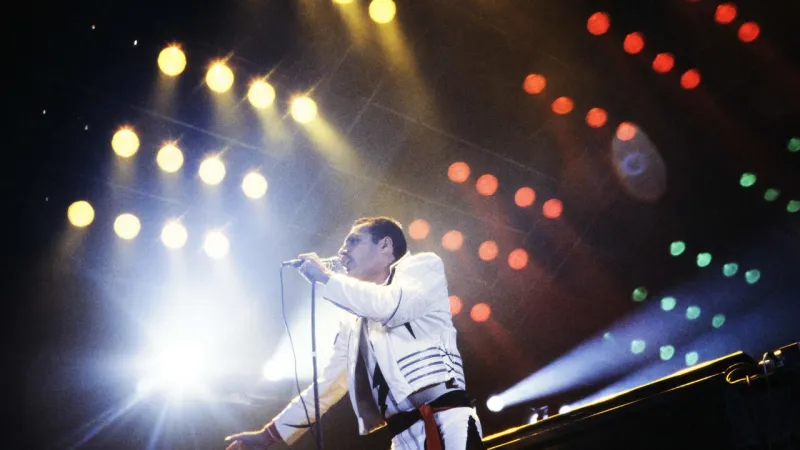
This year, 2026, marks what would have been the 80th birthday of Freddie Mercury, the legendary frontman of the British rock band Queen. Born Farrokh Bulsara in Zanzibar on September 5, 1946, Mercury redefined showmanship and vocal prowess, leaving an indelible mark on music history before his untimely death at age 45 from complications related to AIDS.
The theatricality Mercury displayed on stage stood in stark contrast to his fiercely guarded private life. While performing, he was an explosive force, commanding stadiums with unparalleled charisma; off stage, he sought a quiet existence, preferring to keep his personal struggles and relationships out of the public eye. This dichotomy only added to his mystique.
Mercury's early life saw him attend St Peters School in Panchgani, India, where he began his piano lessons and joined his first band, The Hectics. His family later relocated to Feltham, England, where he studied art and became deeply immersed in the London music scene, eventually meeting Brian May and Roger Taylor, with whom he would form Queen.
Queen officially formed in 1970, with John Deacon completing the lineup a year later. From their debut album in 1973, the band quickly distinguished itself with an innovative sound that blended rock, opera, glam, and pop. Mercury's incredible four-octave vocal range and dynamic stage presence were central to their burgeoning success.
As a prolific songwriter, Mercury penned many of Queen's most iconic anthems, including Bohemian Rhapsody, Somebody to Love, We Are the Champions, and Crazy Little Thing Called Love. These compositions showcased his diverse musical influences and his ability to craft both complex, epic pieces and catchy, rock-and-roll standards.
The band's performance at Live Aid in 1985 remains one of the most celebrated live acts in rock history. Mercury, with his electrifying command of the Wembley Stadium crowd, delivered a performance widely regarded as the finest of the day, solidifying Queen's status as global superstars and Mercury as a peerless showman.
Despite his soaring professional triumphs, Mercury faced significant personal challenges, particularly his battle with HIV/AIDS. For years, he kept his illness private, continuing to record music and perform with unwavering dedication, even as his health visibly declined.
On November 23, 1991, Mercury publicly announced he had AIDS, just one day before his passing. His death on November 24, 1991, sent shockwaves across the globe, bringing an abrupt end to the life of a true musical visionary and drawing immense global attention to the AIDS epidemic.
His public admission and subsequent death played a crucial role in raising awareness about AIDS, challenging stigmas, and galvanizing support for research and prevention efforts. The Freddie Mercury Tribute Concert for AIDS Awareness held in 1992 gathered some of the biggest names in music to honor his memory and continue his fight against the disease.
Decades after his passing, Freddie Mercury's influence remains profound. His unique vocal style, flamboyant stage persona, and timeless songwriting continue to inspire generations of musicians and fans. Queen's music regularly tops polls for greatest songs and albums, proving its enduring appeal.
The story of Freddie Mercury also serves as a poignant reminder of the devastating impact of AIDS and the importance of continued global health initiatives. His courage in facing his illness, coupled with his unparalleled artistic output, has secured his place not only as a rock legend but as a cultural icon whose legacy transcends music.
His life, though cut short, was one of extraordinary artistic achievement and boundary-pushing performance. From his humble beginnings to global superstardom, Freddie Mercury lived a life dedicated to his art, forever changing the landscape of rock music and leaving behind a discography that continues to resonate with powerful emotion and innovative sound.
The world remembers him not just for the spectacle but for the heart and soul he poured into every note, ensuring his immortal legacy endures through his unforgettable contributions to music and culture.