 Dodi Irawan
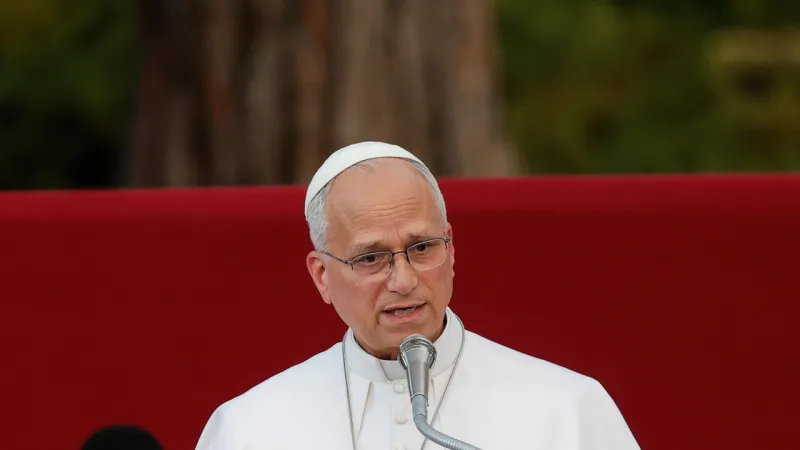
Pope Francis and UNESCO will convene a high-level summit on September 25 in Vatican City to address the ethical implications of Artificial Intelligence, its role in education, and its potential impact on global peace. This gathering underscores a profound convergence of views between the Holy See and the United Nations cultural agency, particularly echoing sentiments from the Pope's encyclical "Magnifica Humanitas."
The collaboration signals a shared recognition of the urgent need for a unified global approach to governing rapidly evolving AI technologies. Both organizations emphasize the importance of human-centered development and deployment of AI, ensuring that technological progress serves the common good rather than undermining human dignity or exacerbating inequalities.
Discussions will center on crafting ethical frameworks for AI, fostering inclusive educational strategies to prepare societies for technological shifts, and exploring how AI can be leveraged to build and maintain peace in an increasingly complex world. The September 25 event is anticipated to draw leaders, experts, and policymakers from diverse fields.
UNESCO has been at the forefront of establishing global norms for AI ethics, notably through its Recommendation on the Ethics of Artificial Intelligence, adopted by its Member States in 2021. This instrument provides a comprehensive framework for ethical AI development, focusing on transparency, fairness, and accountability.
The Holy See, under Pope Francis, has consistently advocated for a more ethical approach to technology. The Pope has frequently highlighted the risks of unbridled technological advancement, calling for thoughtful reflection on its societal and moral dimensions. The encyclical "Magnifica Humanitas" reportedly reinforces these positions, emphasizing humanity's role as stewards of creation and technology.
The convergence of UNESCO's policy initiatives and the Vatican's moral authority offers a powerful platform to influence the global discourse on AI. Their joint endeavor seeks to ensure that Artificial Intelligence remains a tool for human flourishing, not a force for division or harm.
Education stands as a critical pillar of the upcoming summit. Participants will explore strategies to adapt educational systems worldwide to the demands of an AI-driven future, ensuring equitable access to digital literacy and critical thinking skills. This is crucial for empowering individuals to navigate the complexities of AI responsibly and effectively.
The potential of AI to either foster or undermine global peace will also be a central theme. Discussions will likely delve into concerns about autonomous weapon systems, the spread of misinformation amplified by AI, and the potential for AI to exacerbate existing conflicts or create new ones, alongside its potential for conflict resolution and humanitarian aid.
The need for robust governance and international cooperation is more pressing than ever, particularly as regulatory bodies grapple with the rapid pace of technological change. This includes addressing concerns like data privacy, algorithmic bias, and the impact of AI on labor markets and social cohesion.
The discussions are particularly timely given the growing scrutiny over technology companies responsibility, exemplified by recent actions such as the Meta $567 Million Fine Over Child Safety Failures concerning child safety. The summit aims to push for proactive, rather than reactive, policy development.
By uniting their voices, Pope Francis and UNESCO aim to provide a moral compass and a practical roadmap for the international community. Their collaborative effort on September 25 seeks to guide the development of Artificial Intelligence towards a future that upholds human dignity, promotes justice, and secures lasting peace for all.