 Chandra Wijayanto
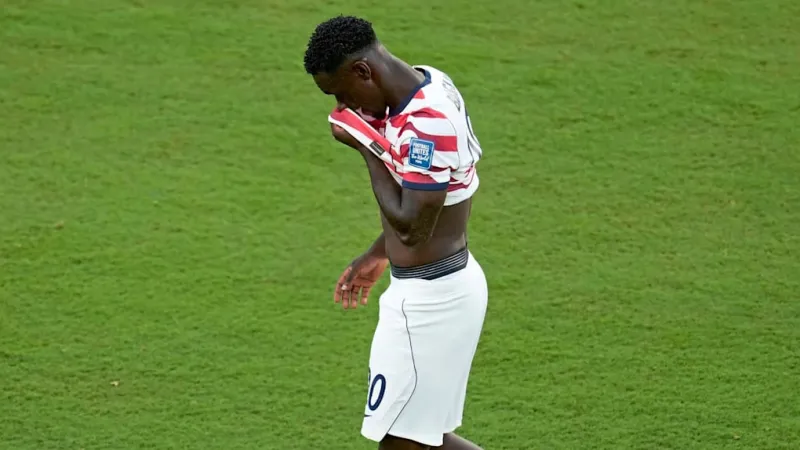
BRUSSELS — Belgium has formally challenged FIFA's controversial decision to lift the suspension of US striker Folarin Balogun, igniting a new wave of scrutiny into the global football governing body's integrity and processes. The Red Devils, poised to face the United States in the World Cup Round of 16, contend that the reversal of Balogun's red card and subsequent player permit raises significant ethical questions regarding FIFA's operational standards.
The protest by the Belgian football federation specifically targets the validity of Balogun's eligibility to participate in upcoming matches, following an unexplained eleventh-hour reprieve from a red card offense. This move casts a shadow over the fairness of the competition and FIFA's commitment to consistent disciplinary measures.
Initially, Balogun received a red card during a crucial group stage fixture, which automatically triggered a one-match suspension. The decision appeared straightforward under established FIFA regulations, meaning the prolific striker would miss the highly anticipated Round of 16 clash against Belgium.
However, in a development that stunned many within the football world, FIFA abruptly announced the overturning of the suspension. The governing body provided minimal public explanation for this reversal, fueling speculation and outrage among rival nations and fans alike.
Belgium's appeal goes beyond mere tactical disadvantage. Their official statement emphasizes a deeper concern for what they describe as FIFA's "morally questionable system." This challenges the very foundation of fair play and transparent governance that the organization purports to uphold.
FIFA's ethical framework has faced intense scrutiny, particularly following recent revelations of external political influence. This crisis deepens the questions surrounding the organization's governance, prompting calls for reform similar to those outlined in reports such as FIFA Credibility Crisis: Europe Must Challenge Infantino After Trump Intervention.
The recent reversal directly echoes previous controversies where President Donald Trump openly admitted to intervening in FIFA decisions, notably regarding what he deemed an unfair World Cup red card. This unprecedented political involvement was extensively covered, including in analyses like President Trump Admits FIFA Meddling Over "Unfair" World Cup Red Card and Trump Influence Rocks FIFA: Balogun Red Card Reversal Sparks Corruption Scandal.
Such high-level political intervention in sports governance undermines the autonomy of athletic institutions and compromises the integrity of global competitions. Critics argue that these actions erode public trust and create an uneven playing field.
The Belgian federation is demanding full clarification regarding the decision-making process that led to Balogun's reinstatement. They seek transparency on who authorized the reversal and the specific regulatory basis for setting aside the original disciplinary action.
Failure to provide a satisfactory explanation could have far-reaching consequences for FIFA. It risks further alienating member associations and potentially sparking a broader revolt among European football powerhouses who advocate for stricter adherence to sporting principles.
The broader football community, including UEFA, has expressed alarm over the implications of such arbitrary decisions. Reports, such as Balogun Decision Rocks FIFA Credibility, Sparks UEFA, Belgium Outcry, highlighted the immediate backlash.
This latest episode reignites concerns about FIFA President Gianni Infantino's leadership. He faces increasing pressure to demonstrate that the organization can operate independently and transparently, free from external pressures or perceived favoritism.
The controversy surrounding Balogun's eligibility serves as a critical test for FIFA's commitment to its own statutes and its ability to maintain credibility on the world stage. The resolution of Belgium's challenge will undoubtedly shape perceptions of fair play for the remainder of the World Cup and beyond.
This incident also brings into sharp focus the imperative for international sports bodies to uphold unwavering standards of transparency and accountability. Without such assurances, the spirit of competition and the global appeal of football remain vulnerable.