Gabriella
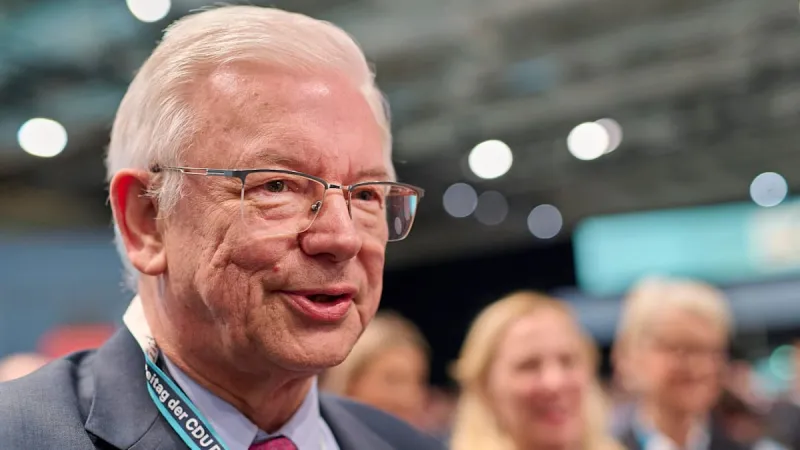
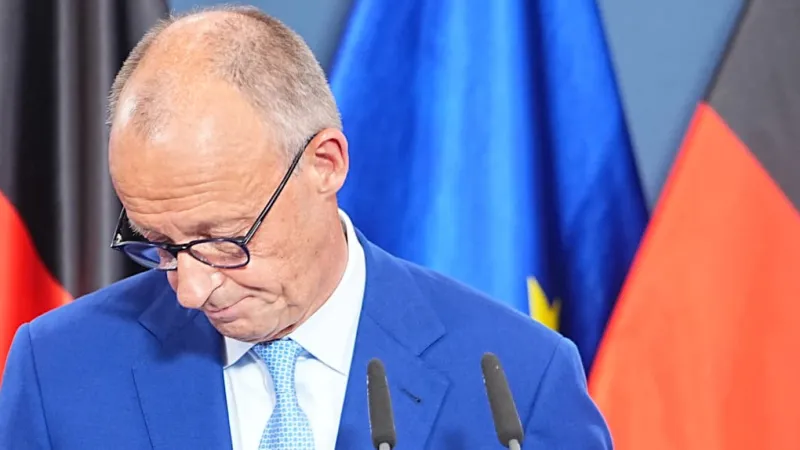
BERLIN - Veteran Christian Democratic Union (CDU) politician Roland Koch publicly affirmed his unwavering support for Chancellor Merz, dismissing calls for a leadership change amid ongoing national discussions concerning the party's direction. Koch stated that "personnel changes achieve nothing here," emphasizing the imperative for the CDU to maintain steadfastness within the ruling coalition, particularly regarding critical economic policies.
Koch, a prominent figure with a long history within the CDU, articulated his firm belief that Chancellor Merz remains the appropriate leader for Germany during this challenging period. His endorsement comes at a pivotal time when the party grapples with internal pressures and a shifting political landscape across the nation.
The former Hessian Minister-President's comments directly address growing speculation and dissent regarding Chancellor Merz's future at the helm. These discussions have intensified following a series of electoral setbacks and the broader challenges faced by the CDU in recent months, leading some factions within the party to question its strategic direction.
Koch specifically highlighted the need for the CDU to remain resolute as a key partner in the governing coalition. He underscored the critical importance of a consistent and unwavering approach, especially in navigating Germany's complex economic environment.
"Merz is the right one in this time," Koch was quoted as saying, a clear signal intended to quash internal unrest and project an image of unity and stability to the German electorate. This declaration aims to bolster confidence in the Chancellor's leadership capabilities.
The discussions around Chancellor Merz's leadership are not isolated events. They reflect a deeper malaise within the CDU, which has been analyzed extensively in various reports, including CDU Chancellor Problem Deepens After Dual Election Failures. Such analyses point to systemic issues beyond individual personalities.
Recent electoral performances, particularly in regional elections, have fueled calls for introspection and potential reorientation within the CDU. Reports such as German CDU Faces Global Scrutiny After Double Election Debacle further illustrate the external and internal pressures the party endures.
Koch's intervention seeks to counter narratives of instability, advocating instead for continuity and a unified front. He contends that shifting leadership during times of governmental complexity could exacerbate existing challenges rather than resolve them.
The economic policies pursued by the current coalition government are central to the CDU's platform, and Koch's emphasis on this area suggests a strategic push to reinforce the party's traditional strengths amidst broader debates.
The political landscape in Germany has become increasingly fragmented, with the rise of parties like the Alternative for Germany (AfD) posing significant challenges to established political entities. This context adds urgency to calls for stability within traditional parties, as detailed in reports like AfD Surges in Mecklenburg, Left Captures Berlin As Chancellor Merz Defiant.
Koch's statement also tacitly acknowledges the internal divisions that have surfaced. By advocating for unwavering support, he attempts to consolidate the party's base and reinforce the authority of the current Chancellor.
The broader implications of this political maneuvering extend beyond the CDU, impacting the stability and effectiveness of the entire coalition government. A unified CDU is crucial for robust governance and the successful implementation of its legislative agenda.
As Germany navigates intricate domestic and international challenges, the call for political consistency by influential figures like Roland Koch highlights the ongoing struggle within the CDU to redefine its identity and strengthen its position in an evolving political era.
Chancellor Merz, currently leading the German government, faces the continued task of balancing coalition demands with his party's internal aspirations, all while responding to the demands of a dynamic electorate.