 Chandra Wijayanto
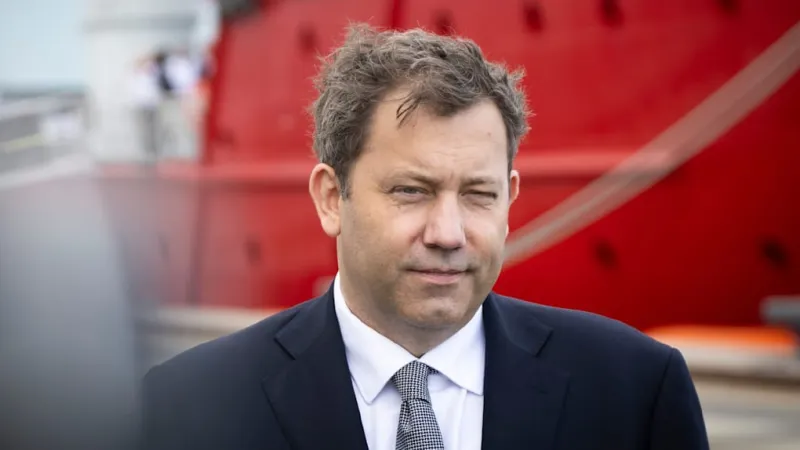
Berlin – German Finance Minister Lars Klingbeil has unveiled a contentious plan to address the nation's multi-billion-euro federal budget deficit, proposing a combination of reserve utilization, new revenue streams, and the accumulation of over one trillion euros in additional national debt within the next five years. The strategy aims to stabilize public finances amidst persistent economic pressures but faces immediate scrutiny from political opponents and fiscal watchdogs.
The projected one trillion euros in new debt represents a substantial increase to the national balance sheet, a figure that analysts warn could encumber future generations with significant repayment burdens. This monumental fiscal expansion marks a departure from traditionally more conservative German budget practices, driven by a confluence of global economic slowdowns, increased defense spending, and domestic social commitments.
To bridge the immediate financing gap, Minister Klingbeil indicated plans to tap into existing national reserves. While these funds provide a temporary cushion, their depletion raises concerns about the nations fiscal resilience against unforeseen future crises, prompting questions about long-term sustainability.
Simultaneously, the proposal includes identifying additional income sources, which many interpret as a precursor to new taxes or levies on citizens and businesses. While specifics remain under wraps, discussions within governing coalition circles have reportedly centered on adjustments to carbon pricing and potential wealth taxation, though such measures typically face robust opposition.
Further complicating the budget outlook is the allocation for increased public sector personnel. Details suggest hiring in critical areas such as digitalization, education, and social services, reflecting the governments commitment to bolster public infrastructure and support systems. However, this expansion invariably adds to recurring expenditure, placing sustained pressure on future budgets.
Economists are closely monitoring the proposals potential impact on Germany's economic trajectory. The influx of public spending, while possibly stimulating demand in the short term, carries the risk of inflationary pressures and could deter foreign investment if the fiscal environment becomes perceived as unstable or overly burdensome.
Opposition parties have swiftly condemned the plan, describing it as fiscally irresponsible and an abandonment of sound economic principles. Critics argue that the government should prioritize spending cuts and administrative efficiencies rather than resorting to higher taxes and burgeoning debt.
"This budget proposal is not a solution; it is a postponement of a problem that will ultimately land squarely on the shoulders of the German people," stated a prominent opposition figure, speaking on condition of anonymity due to ongoing parliamentary negotiations.
The challenges are exacerbated by ongoing social demands. For instance, the issue of German elderly facing soaring welfare dependence continues to be a pressing concern, requiring robust social safety nets that naturally compete with other budgetary priorities. Balancing these needs against fiscal consolidation presents a formidable task for the Finance Ministry.
The current global economic climate, marked by geopolitical uncertainties and supply chain disruptions, further restricts the government's fiscal maneuvering room. Germany, as an export-oriented economy, remains particularly vulnerable to international market fluctuations.
This budgetary pivot by Klingbeil's ministry signals a critical juncture for Germany's fiscal policy. It reflects a government grappling with the need for investment in a modern economy and society while confronting the practical limits of revenue generation and the political implications of increased national debt.
The coming months will likely see intense parliamentary debate as the proposals move through legislative channels, with the final shape of the budget reflecting intricate compromises within the ruling coalition and reactions from the public and financial markets. The stakes are exceptionally high for Europes largest economy.