 Dodi Irawan
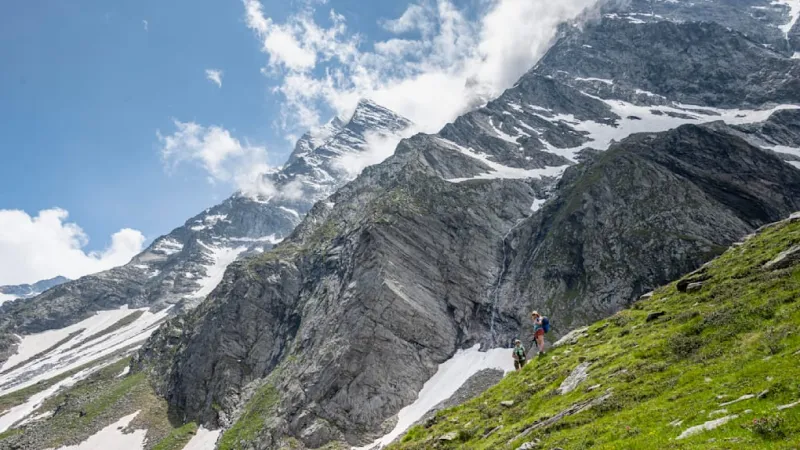
Mayrhofen, Austria A 36-year-old German man died in the Zillertal Alps after losing his footing during a descent, plummeting more than 50 meters over rocky terrain. The tragic incident unfolded before the mans father-in-law and two brothers-in-law, who were hiking with him.
The group was navigating a challenging section of the Zillertal Alps, a popular yet demanding region for alpine enthusiasts. The accident occurred as they were making their way down the treacherous slopes, underscoring the inherent dangers of high-altitude mountaineering.
Authorities were immediately alerted to the incident, prompting a rapid response from local mountain rescue services and emergency personnel. While the specific time of the fall was not disclosed, the immediate aftermath would have involved a complex recovery operation in difficult terrain.
Preliminary reports indicate the man lost control with one foot, a seemingly minor misstep that quickly escalated into a catastrophic fall. Such incidents highlight the critical importance of proper equipment, experience, and careful assessment of conditions when traversing alpine environments.
The Zillertal Alps, renowned for their stunning vistas and challenging trails, attract thousands of hikers annually. However, the regions beauty is matched by its unforgiving nature, with sudden weather changes and difficult terrain posing constant risks to adventurers.
Expert mountaineers often emphasize the need for rigorous preparation, including thorough route planning, carrying appropriate gear, and understanding personal limits. Even experienced hikers can encounter unforeseen hazards in mountainous regions.
The emotional toll on the mans family, who witnessed the horrific event, is immeasurable. Such a profound loss in such dramatic circumstances leaves deep psychological scars that can persist for years.
Local emergency services frequently issue warnings about the unpredictable conditions in the Zillertal Alps, urging hikers to exercise extreme caution. These advisories often include recommendations to check weather forecasts, inform others of their route, and consider hiring a local guide for unfamiliar or challenging paths.
The incident serves as a stark reminder of the perils associated with alpine pursuits, even for those who are seemingly well-prepared. Mountain accidents, while relatively rare compared to the total number of visitors, can have devastating consequences.
Investigations into the precise circumstances surrounding the mans fall are likely underway by Austrian authorities to ascertain if any specific factors contributed to the loss of footing beyond a simple misstep. These investigations help inform future safety protocols and public awareness campaigns.
The community in the Zillertal region, accustomed to the rhythm of mountain life, often rallies to support those affected by such tragedies. The close-knit nature of alpine communities means that such incidents reverberate widely.
This tragic event reinforces the need for continuous education on mountain safety, not just for tourists but for all who venture into high-alpine environments. Respect for the mountains, their power, and their unpredictability remains paramount.