 Chandra Wijayanto
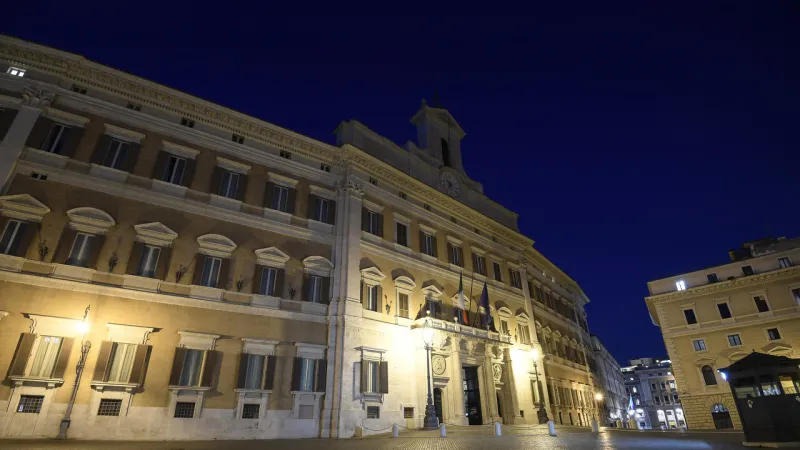
ROME – The Italian parliamentary Rai Oversight Committee has imploded, witnessing a wave of mass resignations from both opposition and majority members this week. This dramatic development brings to an acrimonious close a nearly two-year period of legislative paralysis for the crucial media surveillance body, marked by persistent mutual accusations.
The committee, tasked with monitoring the activities of Italy's public broadcasting service, Rai, effectively ceased its function as an increasing number of its members stepped down. Initially, opposition representatives initiated the exodus, citing insurmountable political gridlock. Soon after, members from the ruling majority followed suit, signaling a complete breakdown in cross-party cooperation.
This unprecedented collective withdrawal creates a significant vacuum in the governance framework of Rai, one of Europe's largest public broadcasters. The committee's role is to ensure impartiality, pluralism, and adherence to public service mandates, functions now left unaddressed.
The two-year deadlock preceding these resignations had already severely hampered the committee's ability to operate. Sources close to parliamentary discussions indicated a consistent inability to reach consensus on key oversight matters, leading to an environment of stagnation and growing frustration among its members.
Political analysts suggest the resignations reflect a deeper malaise within the Italian legislative system, where partisan divisions often impede the functionality of critical institutions. The episode underscores the challenges of managing public assets, particularly media, in a highly polarized political landscape.
The formal process of resignation culminates in a complete cessation of the committee's work, necessitating its reconstitution. This procedure is expected to be protracted, given the political sensitivities involved and the need for new appointments from across the parliamentary spectrum.
The immediate impact on Rai remains a subject of intense speculation. Without an active oversight body, the broadcaster may face increased scrutiny regarding editorial decisions and financial management, potentially leading to questions about its autonomy and accountability.
Critics from various political camps have voiced concerns about the implications for media freedom and the integrity of public information in Italy. They argue that an absent oversight committee could open the door to undue political influence or unchecked operational practices within Rai.
The political recriminations that fueled the resignations were broadly characterized by accusations of obstructionism and attempts to politically leverage the committee for partisan gain. Both sides steadfastly maintained the other was responsible for the persistent gridlock.
As the curtain falls on this iteration of the Rai Oversight Committee, the focus shifts to the Italian Parliament and its ability to swiftly establish a new, functional body. The urgency of this task is underscored by the importance of independent media governance for democratic health.
Indeed, the broader Italian political arena has seen various legislative challenges in recent years, with discussions frequently revolving around the balance of power and institutional effectiveness. For example, recent debates touched upon the nation's defense safeguards, as reported in an article titled Italian Parliament Unlikely to Trigger Key Defense Safeguard Clause.
The absence of the Rai Oversight Committee represents a notable setback in ensuring transparent and accountable public broadcasting. The forthcoming efforts to rebuild this essential body will be a critical test for parliamentary cooperation in Italy.