 Chris Robert
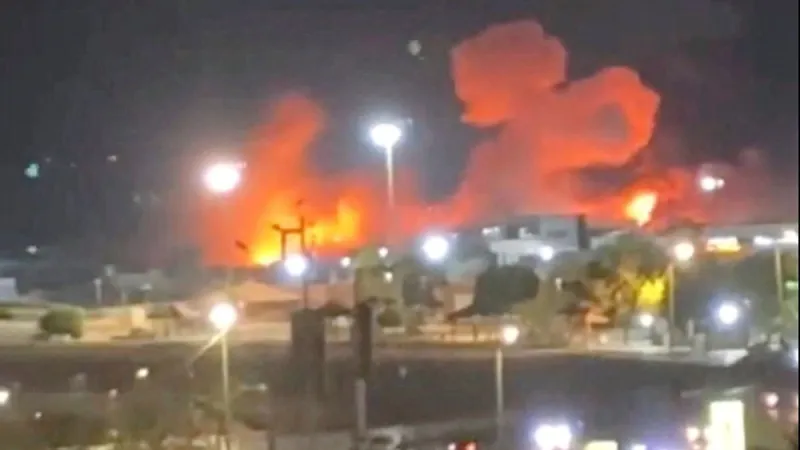
Washington, D.C. – The United States has once again initiated a series of aggressive strikes against Iran, fueling regional instability as a prominent negotiation expert warns that any perceived ceasefires are likely tactical ploys rather than sincere gestures towards de-escalation or genuine peace discussions.
This renewed escalation occurs amidst a volatile geopolitical landscape, with President Donald Trump's administration intensifying pressure on Tehran through military means. The actions signal a persistent, assertive foreign policy stance in the Middle East.
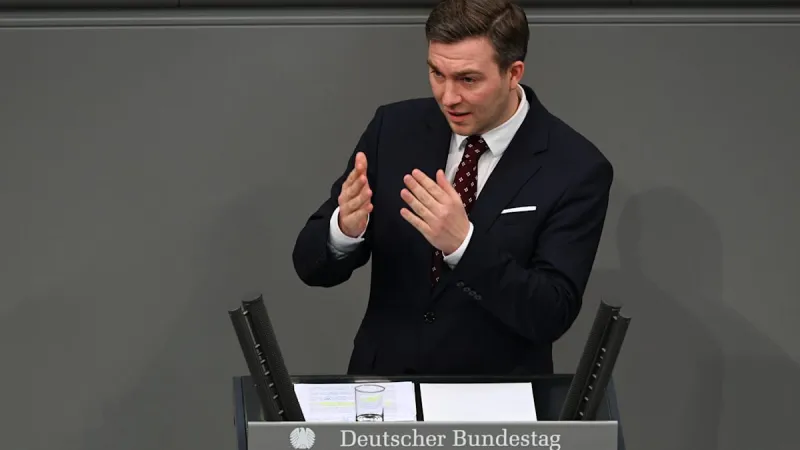
Matthias Schranner, a renowned negotiation expert, articulated his assessment of the unfolding situation. He stated, “This ceasefire, the setting and suspending, is actually used tactically.” His analysis suggests a calculated strategy at play, one that prioritizes strategic advantage over a genuine pursuit of lasting peace.
The latest aggression follows a consistent pattern of military actions. Recent reports extensively covered deadly US strikes igniting Irans regional retaliation, indicating a dangerous cycle of action and counter-action that further destabilizes the region.
Specific infrastructure has been targeted in prior operations, with documented accounts of US strikes targeting Irans rail network amidst escalating tensions. Such deliberate actions significantly complicate any prospects for meaningful diplomatic dialogue or de-escalation efforts.
Schranner's comments underscore a pervasive skepticism among analysts regarding the sincerity of any current or future diplomatic overtures between the two nations. The prevailing perception is that military pauses or temporary ceasefires are primarily serving tactical advantages rather than signaling a shift toward reconciliation.
The broader geopolitical context remains tense, echoing previous warnings about US strikes targeting Iran infrastructure, prompting Tehran to threaten Hormuz closure, a critical choke point for global oil shipments. Such threats highlight the potential for wider economic and security ramifications.
International observers and allied nations have repeatedly expressed profound concern over the escalating tensions, fearing a broader conflict in the Middle East. The precarious stability in the region demands urgent attention and a reevaluation of current approaches.
While the immediate response from Tehran to these renewed strikes has not been detailed, historical patterns suggest that Iran is likely to view these actions as blatant aggression. This perception often leads to further retaliatory measures, perpetuating the cycle of violence.
The expert's analysis implies that a true cessation of hostilities, driven by a desire for lasting peace and diplomatic resolution, appears distant. Instead, the region seems poised for a period where military actions and strategic pauses dictate the diplomatic landscape, with little room for genuine progress.
As President Trump's administration continues its assertive foreign policy, the trajectory of US-Iran relations appears locked in a pattern of calculated military pressure. Genuine peace talks remain an elusive goal for the foreseeable future, overshadowed by tactical maneuvers and persistent mistrust.