Angela Stefani
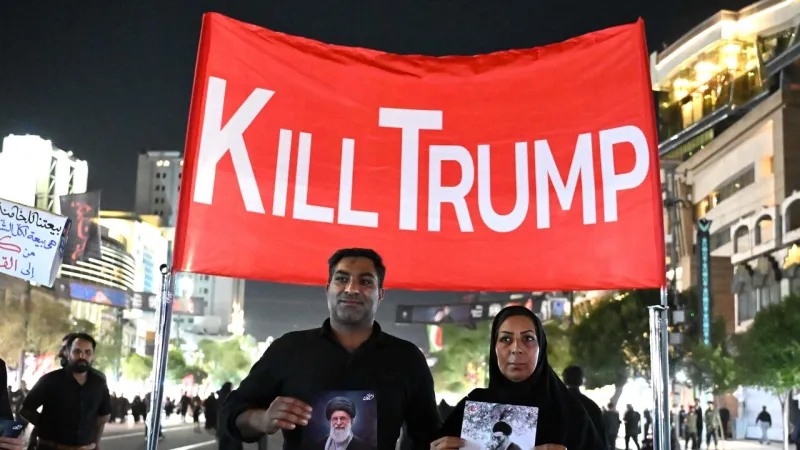
TEHRAN - The Islamic Republic of Iran today reported at least 14 fatalities and 78 injuries following two days of renewed US airstrikes, prompting an immediate and forceful retaliation from Tehran that saw bases in Kuwait and Bahrain targeted. This dramatic escalation of hostilities signals a perilous deepening of regional tensions.
The Iranian Health Ministry released the casualty figures, detailing the human cost of the sustained aerial assaults. Fourteen Iranian citizens have died, and scores more sustained injuries, intensifying calls for a robust national response. The exact nature and targets of the US strikes that led to these casualties remain under review by international monitors.
In a decisive countermeasure, Iranian forces launched what Tehran described as retaliatory strikes against military installations in neighboring Kuwait and Bahrain. Details regarding the extent of damage or casualties from these specific Iranian actions were not immediately available, though sirens were reportedly heard in both nations, as noted in previous reports such as US Strikes Hit Iran Again; Sirens Wail in Kuwait, Bahrain. These Gulf states are key US allies and host significant American military presences.
Ghalibaf, Iran's chief negotiator, issued a stark warning to the United States following the strikes. "Do not waste energy; you will sink even deeper," Ghalibaf stated, underscoring Tehran's resolve and defiance against perceived American aggression. His comments reflect a hardening stance within the Iranian leadership.
The heightened military activity coincides with the burial proceedings for Ali Khamenei, a significant figure within the Iranian establishment. The timing adds a layer of solemnity and potential for emotional resonance to the national mood, possibly fueling further calls for unity and retribution against external threats.
These recent US operations mark a continuation of a pattern of strikes targeting Iranian interests and infrastructure. Earlier reports indicated that the United States had targeted critical Iranian logistics. For example, previous operations included US Strikes Target Iran's Rail Network Amid Escalating Tensions, suggesting a strategic effort to degrade Iran's capabilities.
The administration of President Donald Trump has consistently maintained a firm stance against Iran, citing its regional activities and nuclear program as destabilizing factors. While the specifics of these latest US strikes have not been fully disclosed by Washington, they align with a policy of assertive action to curb Iranian influence.
Observers fear that the exchange of blows could spiral into a broader conflict, potentially engulfing the entire Persian Gulf region. The involvement of Kuwait and Bahrain, albeit as targets of Iranian retaliation, underscores the precarious security environment for all regional actors.
The international community has repeatedly urged de-escalation in the region, wary of any actions that could disrupt global energy supplies or trigger a humanitarian crisis. The Strait of Hormuz, a vital chokepoint for oil shipments, remains a point of constant concern whenever US strikes Iran and tensions surge, as highlighted by reports like US Strikes Target Iran Infrastructure; Tehran Threatens Hormuz Closure.
The long-standing animosity between Washington and Tehran has seen numerous flashpoints over decades. From the 1979 revolution to ongoing disputes over sanctions and nuclear ambitions, the relationship remains fraught with mutual distrust and a propensity for confrontation.
President Donald Trump's foreign policy approach, characterized by a readiness to employ military force alongside economic pressure, has significantly shaped the current trajectory of US-Iran relations. The latest rounds of aggression demonstrate a continued commitment to this high-stakes strategy.
The repercussions of these recent developments could extend beyond the immediate region, impacting global alliances and trade routes. Stability in the Middle East is intrinsically linked to global economic and political security, making every escalation a matter of international concern.
Diplomatic efforts, though often challenging, remain the only viable path to de-escalate the situation and prevent further loss of life. However, with both sides demonstrating a readiness for military engagement, the prospects for immediate resolution appear dim.
The tragic toll on human lives, along with the targeting of sovereign nations' territories, intensifies the urgency for a concerted international response to cool the heated rhetoric and prevent the region from descending into a full-blown war. The world watches with bated breath as US strikes Iran and Iran retaliates.