 Dorry Archiles
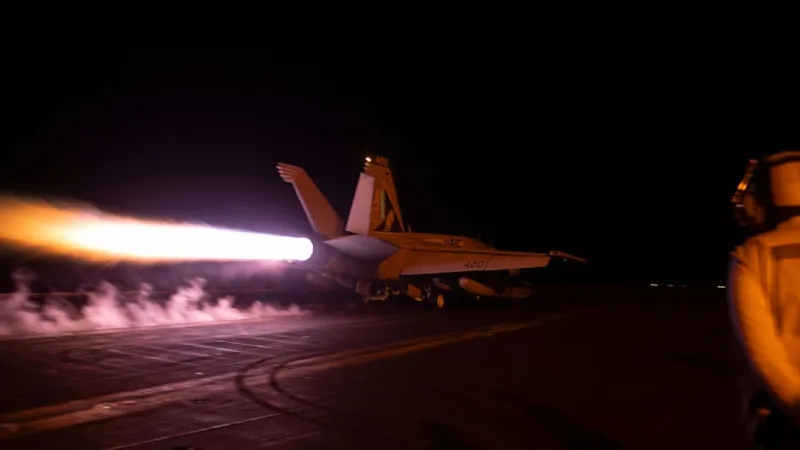
WASHINGTON – The United States military launched new strikes against targets within Iran, prompting air raid sirens to blare across the capitals of Kuwait and Bahrain. President Donald Trump publicly characterized these actions as direct retaliation for recent Iranian assaults on international shipping and reiterated his assertion that Tehran remains open to a diplomatic agreement.
The sudden activation of emergency alert systems in the two Gulf nations underscored the immediate and far-reaching ripple effects of the escalating US strikes Iran campaign. Residents in both Kuwait City and Manama reported widespread alarm, though official statements from the respective governments about potential threats or defensive measures were pending at the time of publication.
President Trump, addressing the press from the White House, explicitly framed the renewed military engagement as a punitive response to a series of aggressive actions attributed to Iran. He highlighted the imperative of protecting international maritime routes, which have recently faced severe disruption from what Washington asserts are Iranian-backed operations.
Intriguingly, President Trump simultaneously maintained that the Iranian leadership, despite its combative posture, still harbors an interest in pursuing a diplomatic accord. This dual narrative from the US president suggests a complex strategic calculus, blending forceful deterrence with an ostensible pathway for de-escalation.
The alleged Iranian ship attacks, which Washington has consistently condemned, include a pattern of harassment, seizure attempts, and direct assaults on commercial vessels traversing critical waterways such as the Strait of Hormuz. These incidents have fueled global concerns about the security of oil supplies and the stability of the vital Persian Gulf region.
The latest offensive by the US strikes Iran effort marks a significant intensification of hostilities that have simmered for years, occasionally boiling over into direct confrontation. Geopolitical analysts view these events as a perilous escalation, risking a wider regional conflagration that could draw in other global powers.
The United States maintains a substantial military presence throughout the Middle East, including significant naval and air assets in Bahrain and Kuwait, precisely to safeguard its interests and those of its allies. This deployment provides the logistical framework for rapid response actions, such as the current US strikes on Iran. This recent activity follows previous operations, signaling an end to any perceived lull in hostilities, as reported in articles like Trump: Iran Truce Ends As New Raids Ignite Tensions. The current US strikes on Iran also echo earlier reports of renewed hostilities, as detailed in US Renews Strikes on Iran Following Ship Attacks.
Relations between Washington and Tehran have been fraught for decades, characterized by periods of intense pressure and sporadic diplomatic overtures. The current administration under President Trump has adopted a particularly firm stance against what it perceives as Irans malign influence in the Middle East.
The international community watches with growing apprehension, with many nations calling for restraint and de-escalation to prevent a full-blown military conflict. Diplomacy remains the preferred route for most world leaders, even as the recent US strikes Iran actions appear to narrow that path.
The coming days will be crucial in determining the immediate trajectory of this volatile situation. Observers are keenly awaiting responses from Tehran, along with any further statements or actions from the US administration. The delicate balance of power in the Middle East hangs precariously amid these escalating military engagements.