 Angela Stefani
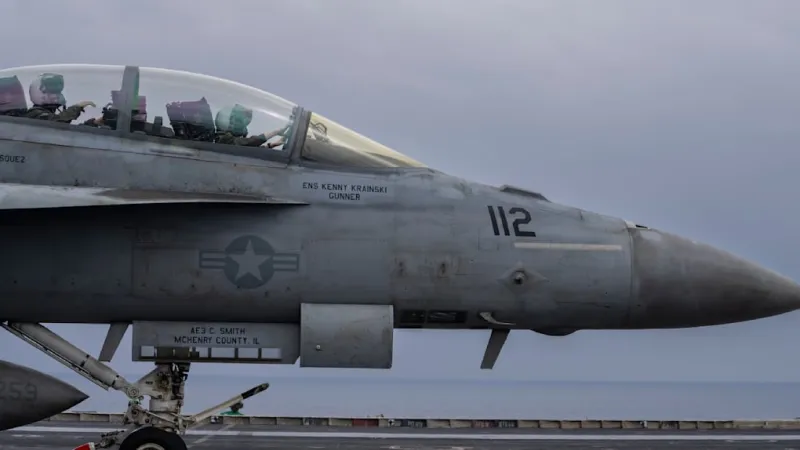
WASHINGTON – The United States has initiated a new round of military attacks against Iranian targets, US Central Command announced recently via X, formerly Twitter. These latest strikes underscore Washingtons firm response to what it describes as persistent assaults on commercial and military vessels operating near the strategically vital Strait of Hormuz.
The Pentagon specified that these renewed operations aim to degrade Irans capabilities to threaten international shipping lanes and to deter future aggression. Officials emphasized that the actions are defensive in nature, designed to protect maritime commerce and ensure freedom of navigation through one of the worlds most crucial oil transit points.
The Strait of Hormuz, a narrow waterway connecting the Persian Gulf to the Arabian Sea, sees approximately one-fifth of the worlds total oil consumption pass through its waters daily. Disruptions in this critical chokepoint invariably trigger global economic ripples, affecting energy markets and trade routes worldwide.
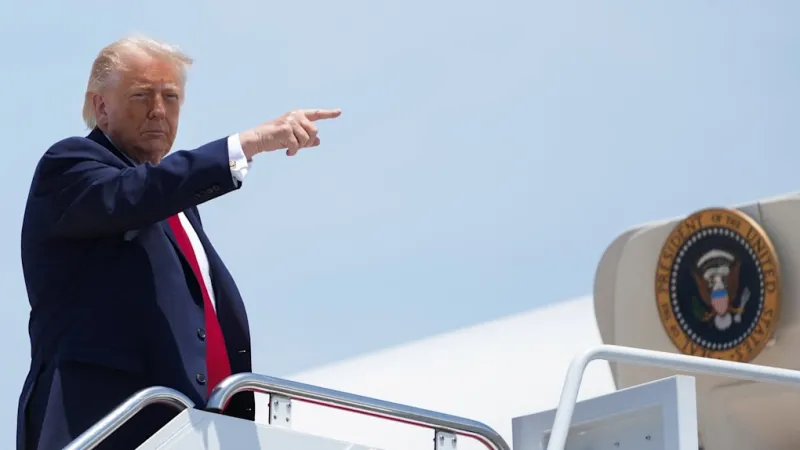
This wave of attacks follows a pattern of escalating tensions in the region that has marked President Donald Trumps administration. Such confrontational measures align with past pronouncements regarding the protection of American interests and its allies in the Middle East. President Trump had previously addressed similar escalations, as detailed in reports like Trump: Iran Truce Ends As New Raids Ignite Tensions.
The US Central Commands announcement on X serves as a rapid communication channel, alerting international stakeholders to the ongoing military engagements. This transparency, however, often precedes heightened calls for caution from global powers.
International concern mounts over the trajectory of the conflict. Allied nations have expressed apprehension regarding the potential for wider regional destabilization. Leaders, such as Italian Prime Minister Giorgia Meloni, have previously urged sustainable NATO commitments amidst such volatile situations, recognizing the broader implications of an escalating Iran Crisis.
Economists are closely monitoring crude oil prices and shipping insurance premiums, which typically react sharply to events in the Persian Gulf. Past escalations have led to significant market volatility, prompting lawmakers, including those in Germany, to demand probes into soaring fuel prices, as reported in German Lawmaker Demands Probe As Fuel Prices Soar Post-Iran Ceasefire.
While specific Iranian responses to this latest barrage remain officially unconfirmed, Tehran has consistently condemned US military presence in the region and previously broadcasted its own missile strikes targeting US interests in the Gulf. This history suggests a potential for reciprocal actions, as covered by articles such as Iran Broadcasts Missile Strikes Targeting US Gulf Interests.
Analysts suggest that both sides face significant pressure to demonstrate resolve without triggering an all-out war. The intricate dance of deterrence and response characterizes the delicate balance of power in the region.
Diplomatic avenues, though often strained, remain essential. Calls for de-escalation from the international community continue to resonate, advocating for dialogue over military confrontation to address the underlying grievances and ensure regional stability. The immediate future of the Persian Gulf hinges on measured actions from all parties involved.